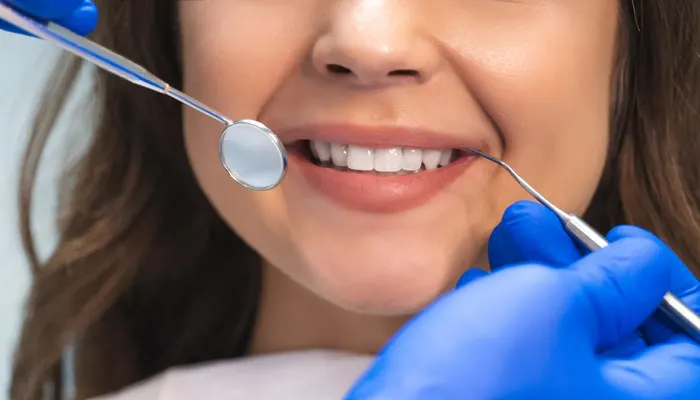























Affordable Children's Dental Care in Mississauga
Discover how Affordable Children's Dental Care in Mississauga supports healthy smiles through preventive checkups, gentle treatments, and good oral hygiene.


A child's dental health plays an important role in their overall growth, comfort, and confidence. From the appearance of their first tooth to the development of permanent teeth, every stage brings new oral health needs. Regular dental visits, proper brushing habits, and preventive treatments can help children maintain healthy smiles while reducing the risk of future dental problems. However, many parents also consider treatment costs when planning their children's dental care.
Finding Affordable Children's Dental Care in Mississauga means understanding which services children need, how preventive dentistry can help, and what options are available to make dental visits manageable for families. With the right approach, parents can support their children's oral health without overlooking essential care.
Why Children's Dental Care Matters
Baby teeth may eventually fall out, but they serve several important purposes. They help children chew food comfortably, develop clear speech, and maintain the space needed for permanent teeth. When cavities or other dental problems affect primary teeth, children may experience discomfort that interferes with eating, sleeping, and everyday activities.
Early dental care also helps children become familiar with the dental environment. Instead of associating appointments with pain or complicated procedures, they can learn that dental visits are a normal part of staying healthy.
Routine examinations allow dental professionals to monitor tooth development, identify early signs of decay, and provide guidance based on a child's changing needs. Addressing small concerns early may also help prevent more complicated treatment later.
What Services Are Included in Children's Dental Care?
Pediatric dental care involves more than treating cavities. It focuses on protecting developing teeth, monitoring oral development, and teaching children habits that support long-term dental health.
Routine Dental Examinations
Regular dental checkups allow dentists to examine teeth, gums, and the overall development of a child's mouth. These appointments can help identify cavities, plaque buildup, gum irritation, and other concerns before they become more difficult to manage.
The dentist may also discuss brushing techniques, dietary habits, and other preventive measures with parents and children.
Professional Teeth Cleaning
Even children who brush regularly can miss certain areas of their mouths. Professional dental cleanings help remove accumulated plaque and tartar that ordinary brushing cannot completely address.
These appointments also give dental professionals an opportunity to demonstrate proper brushing and flossing techniques. Establishing these habits early can make daily oral hygiene easier as children grow.
Fluoride Treatments and Dental Sealants
Fluoride treatments help strengthen tooth enamel and make teeth more resistant to decay. They can be particularly useful for children who are still developing consistent brushing habits.
Dental sealants offer another preventive option. These thin protective coatings are applied to the chewing surfaces of back teeth, where food particles and bacteria can collect in small grooves. A dentist can determine whether sealants are appropriate based on a child's age, dental development, and cavity risk.
How Parents Can Find Affordable Children's Dental Care in Mississauga
Managing dental expenses does not mean compromising on quality. Parents can make informed decisions by understanding available services, asking questions about treatment costs, and prioritizing preventive care.
Understand Treatment Costs Before Appointments
Before beginning treatment, parents should ask for a clear explanation of recommended procedures and their associated costs. Understanding what is included in an examination, cleaning, or additional treatment makes it easier to plan a dental budget.
Families with dental insurance should also review their coverage, including preventive services, treatment limits, and eligibility requirements.
Prioritize Preventive Dentistry
Preventive care is one of the most practical ways to manage long-term dental expenses. Regular checkups and cleanings can help identify problems when they are still relatively minor.
For example, treating an early cavity may be less complicated than addressing advanced tooth decay. Although every child's dental needs are different, consistent preventive visits can support better oral health and reduce the likelihood of avoidable complications.
Ask About Available Payment Options
Some dental practices may offer flexible payment arrangements or other options to help families manage treatment expenses. Parents can ask about these possibilities when scheduling an appointment.
It is also worth discussing which treatments are essential immediately and which can be planned for a later date without compromising dental health.
Building Healthy Dental Habits at Home

Professional dental care is important, but children's everyday routines have an equally valuable role in preventing oral health problems.
Parents can encourage healthy habits by making oral hygiene a regular and positive part of the day.
-
Brush twice daily: Help children brush for two minutes using an age-appropriate toothbrush and fluoride toothpaste.
-
Introduce flossing: Clean between teeth once they begin touching, where a toothbrush may not reach effectively.
-
Limit sugary snacks: Reduce frequent consumption of sweets, sugary drinks, and sticky foods that can contribute to tooth decay.
-
Encourage water consumption: Drinking water helps rinse away food particles and supports good oral hygiene.
-
Schedule regular checkups: Follow the dentist's recommendations for examination and cleaning appointments.
Children often learn through observation, so parents who maintain consistent oral hygiene routines can set a positive example.
Making Dental Visits Comfortable for Children
A positive dental experience can influence how children feel about oral healthcare as they grow older. Parents can prepare children by explaining what will happen during an appointment in simple, reassuring language.
Avoid using frightening words when discussing dental procedures. Instead, describe the visit as an opportunity to count teeth, check their health, and learn how to keep them clean.
Choosing a dental practice that understands children's needs can also make a difference. A welcoming environment, patient communication, and age-appropriate explanations can help young patients feel more comfortable.
Parents exploring preventive family dentistry can review the children's dental care services offered by Sauga Smiles Dental to better understand the types of care available for developing smiles.
When Should Children Visit a Dentist?
Children should generally have their first dental visit by their first birthday or within six months after their first tooth appears. Early appointments help establish a dental care routine and allow professionals to monitor oral development from the beginning.
After the initial visit, the dentist can recommend an appropriate appointment schedule based on the child's individual needs. Children experiencing tooth pain, swelling, bleeding gums, or visible signs of decay should receive dental attention rather than waiting for their next routine checkup.
Early guidance can help parents understand what is normal during each stage of dental development and when professional treatment may be necessary.
Conclusion
Healthy teeth during childhood provide an important foundation for lifelong oral health. By combining regular dental examinations, professional cleanings, preventive treatments, and consistent home care, parents can help children develop habits that protect their smiles as they grow.
Choosing Affordable Children's Dental Care in Mississauga involves looking beyond immediate costs and considering the value of preventive services, transparent treatment planning, and a comfortable dental experience. With informed decisions and consistent attention to oral hygiene, families can make children's dental health a manageable and lasting priority.
What's Your Reaction?
 Like
0
 Dislike
0
 Love
0
 Funny
0
 Angry
0
 Sad
0
 Wow
0