
















Before Getting a Body Piercing: How to Choose the Right Placement for Your Lifestyle
Planning a body piercing? Explore placement considerations, jewellery selection, hygiene requirements and practical aftercare advice before your appointment.

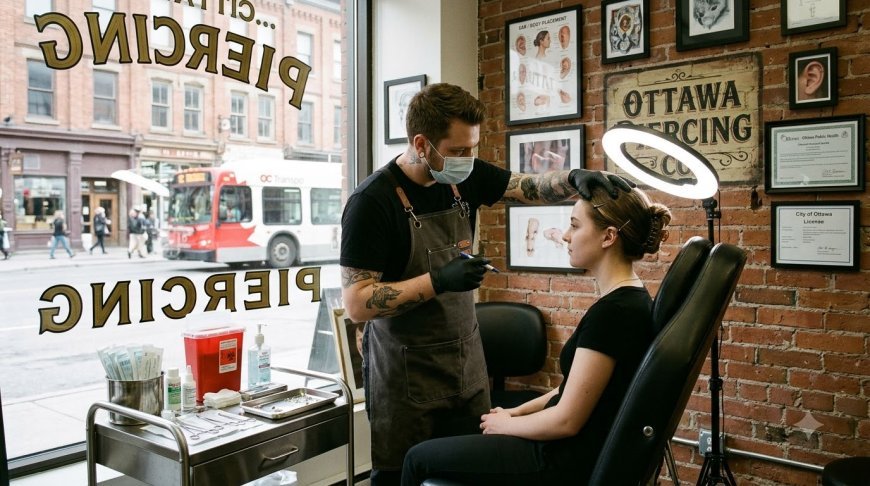
A body piercing should fit your anatomy, personal style and everyday routine. The most attractive placement in a photograph may not be the most practical option for someone who plays sports, wears fitted clothing or spends long hours sitting at a desk. Before exploring professional body piercing ottawa services for a new jewellery placement, consider how the location, technique, jewellery and healing process will affect your daily life.
Body piercing involves puncturing tissue to insert jewellery. Because the procedure breaks the skin, hygiene, sterile equipment and appropriate aftercare are essential.
The right decision is not simply about choosing where jewellery will look attractive. It is about selecting a suitable location and understanding the responsibilities that come afterwards.
Why Placement Should Be Based on More Than Appearance
A piercing can look very different when you are standing, sitting, moving or wearing different clothing.
Before choosing a location, consider your everyday activities.
For example:
-
Do you regularly participate in contact sports?
-
Do you wear tight clothing or uniforms?
-
Do you spend long periods sitting or driving?
-
Does your work involve physical activity?
-
Do you regularly swim?
-
Will jewellery catch on clothing or equipment?
-
Can you comfortably reach the area for cleaning?
These questions matter because repeated friction, pressure and accidental pulling can irritate a healing piercing.
A placement that requires constant adjustment may be difficult to manage.
Understanding Different Body-Piercing Locations
Different locations involve different tissue structures, movement patterns and recovery considerations.
Navel piercing
A navel piercing is influenced by abdominal movement, clothing and the shape of the navel.
High-waisted clothing, waistbands and repeated bending may create pressure or friction.
A practitioner should assess whether your anatomy is suitable rather than assuming that every navel can accommodate the same jewellery.
Nose piercing
Nose piercings can be affected by glasses, masks, facial cleansing and accidental contact.
The location and jewellery should be selected with your anatomy and daily habits in mind.
Ear cartilage and other locations
Cartilage piercings involve different tissue from soft-tissue piercings.
They may require longer recovery and more careful monitoring.
The technique and jewellery should be appropriate for the exact location.
Not every location is suitable for every individual.
How to Choose Jewellery Without Creating Unnecessary Problems
Jewellery must fit the anatomy and location of the piercing.
|
Consideration |
Why it matters |
What to discuss |
|
Material |
Reduces the likelihood of material-related irritation |
Confirm the exact material specification |
|
Length or diameter |
Incorrect sizing can create pressure |
Allowance for initial swelling |
|
Shape |
Some designs catch more easily |
Suitability for your daily activities |
|
Surface finish |
Rough surfaces can irritate tissue |
Smooth, properly finished jewellery |
|
Placement |
Jewellery must suit the tissue being pierced |
Individual anatomical assessment |
|
Sterility |
Prevents contamination during insertion |
Sterile packaging opened before the procedure |
Do not choose jewellery simply because it is inexpensive or visually attractive.
A design that is difficult to clean or repeatedly catches on clothing may be unsuitable during the healing period.
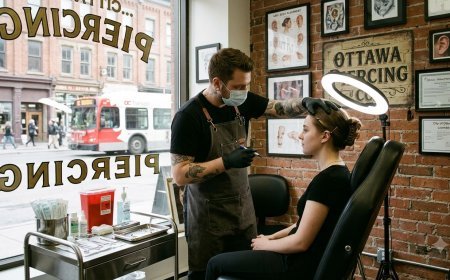
What to Expect From a Professional Piercing Appointment
A professional appointment should begin with a discussion rather than immediately proceeding to the piercing.
The provider should explain the proposed placement, procedure, risks and aftercare.
A responsible process generally involves the following considerations.
Initial consultation: The provider reviews the requested location, anatomy and relevant medical considerations.
Placement planning: The position is discussed and marked so you can understand how it will look.
Skin preparation: The area is inspected and cleaned using an appropriate antiseptic.
Sterile equipment: Appropriate sterile, single-use needles and jewellery are used according to the procedure.
Jewellery insertion: The jewellery is inserted using a suitable technique.
Aftercare explanation: You receive instructions covering cleaning, expected healing and warning signs.
Ontario's personal-service requirements also address hygiene, equipment processing, records and client information for procedures that break the skin.
How to Prepare for Your Appointment
Preparation can reduce unnecessary stress and help you make a more informed decision.
-
Choose the location carefully. Consider your anatomy, clothing, work and physical activities.
-
Review your health circumstances. Discuss skin conditions, allergies, medications, previous healing problems and relevant medical history.
-
Avoid piercing irritated skin. A location with a rash, wound or infection should be assessed before proceeding.
-
Wear comfortable clothing. Choose clothing that allows the provider to access the area without unnecessary pressure.
-
Understand the equipment. Ask how the procedure is performed and how sterile supplies are handled.
-
Plan for healing. Consider whether you can avoid pressure, friction, swimming or activities that may interfere with recovery.
-
Read the aftercare instructions. Make sure you understand how to care for the location before you leave.
Common Body-Piercing Mistakes
Mistake 1: Choosing a placement because it is trending
Popular placements may not suit every body shape or lifestyle.
Better approach: Ask for an anatomical assessment and consider how the piercing will look during normal movement.
Mistake 2: Wearing unsuitable clothing afterwards
Tight waistbands, rough fabrics and repeated friction can irritate a new piercing.
Better approach: Plan your clothing around the healing location.
Mistake 3: Changing jewellery too early
The piercing channel may still be healing internally even when the external opening appears normal.
Better approach: Do not change the jewellery until the provider confirms that it is appropriate.
Mistake 4: Touching the piercing without washing your hands
Unnecessary contact can introduce microorganisms and cause irritation.
Better approach: Wash your hands before any required contact and follow the recommended cleaning routine.
Mistake 5: Ignoring discomfort
Persistent pain, increasing swelling and unusual discharge should not be dismissed.
Better approach: Contact a healthcare professional when symptoms suggest a possible complication.
Comparing Piercing Locations by Lifestyle
|
Lifestyle situation |
Possible concern |
Planning consideration |
|
Contact sports |
Impact and accidental pulling |
Consider whether the activity can be paused during healing |
|
Regular swimming |
Exposure to shared or natural water |
Discuss restrictions during recovery |
|
Desk-based work |
Pressure from chairs or clothing |
Consider comfort during long sitting periods |
|
Frequent travel |
Limited access to aftercare supplies |
Prepare a suitable hygiene routine |
|
Physically demanding work |
Friction and repeated movement |
Consider whether the location can be protected |
|
Tight clothing preferences |
Repeated pressure on jewellery |
Select a location and wardrobe plan carefully |
If you cannot reasonably protect a new piercing during your normal activities, postponing the appointment may be the more sensible decision.
Two Practical Examples
Example 1: Choosing a navel piercing
A hypothetical client wants a navel piercing but regularly wears tight high-waisted clothing.
During consultation, they discuss how the waistband may press against the jewellery.
They decide to plan the appointment around a period when they can wear more comfortable clothing and follow recovery instructions.
Example 2: A piercing for someone who plays sports
Another client wants a new piercing but participates in regular contact sports.
The main concern is not the initial appointment but the possibility of repeated impact during healing.
They discuss activity restrictions and whether postponing the procedure would reduce avoidable problems.
Both examples demonstrate why lifestyle planning is part of responsible piercing preparation.
Illustrative Case Study: Avoiding a Poorly Planned Placement
Situation: A hypothetical client wants a body piercing that will remain comfortable throughout daily activities.
Problem: Their preferred location is regularly exposed to friction from work clothing and sports equipment.
Assessment: The provider discusses anatomy, jewellery suitability, movement and the practical requirements of recovery.
Solution: The client considers alternative placement options and plans the procedure around their schedule.
Expected outcome: The decision is based on suitability and the ability to follow aftercare rather than appearance alone.
Transferable lesson: A good piercing should work with your lifestyle, not create avoidable daily problems.
What Are the Infection Risks?
Any procedure that breaks the skin can introduce infection if appropriate infection-control practices are not followed.
Potential problems include:
-
Local bacterial infection.
-
Allergic skin reactions.
-
Excessive irritation.
-
Scarring or keloid formation.
-
Tissue injury.
-
Blood-borne infection risks associated with contaminated equipment.
Sterile, single-use needles and jewellery, appropriate skin preparation and properly processed reusable equipment are important safety measures.
Before proceeding, ask the provider whether sterile packages are opened in front of you.
Also confirm that you will receive written aftercare instructions.
Exploring Aesthé Medical Aesthetics
When researching body piercing ottawa services, evaluate the provider's hygiene practices, consultation process and ability to explain placement suitability.
You can visit Aesthé Medical Aesthetics to explore the clinic and its services.
Before booking, ask which piercing locations are available, what jewellery is used and how the provider handles aftercare and potential complications.
Conclusion
Choosing a body piercing requires more planning than selecting a jewellery design.
The location must suit your anatomy, lifestyle and ability to protect the area during healing.
Take time to discuss placement, equipment, sterile jewellery, hygiene and recovery before proceeding.
A responsible decision prioritises safety and long-term comfort alongside appearance.
Frequently Asked Questions
1. How do I choose the right body-piercing location?
Consider anatomy, personal preference, clothing, work activities and the amount of pressure the area experiences. A professional assessment can help determine whether the location is suitable.
2. Can I exercise after getting a body piercing?
The appropriate activity restrictions depend on the location and type of exercise. Avoid activities that cause impact, friction or contamination during recovery and follow your provider's instructions.
3. What jewellery material should I choose?
Ask about appropriately specified biocompatible materials, such as implant-grade titanium. The material and dimensions should suit the piercing location.
4. Is swelling normal after body piercing?
Some local swelling and tenderness can occur. However, worsening pain, spreading redness, significant swelling or discharge may indicate a complication and require medical advice.
5. Can I change my jewellery during healing?
Do not change it prematurely. The piercing may still be healing internally even when it appears settled externally.
6. How can I reduce infection risk?
Choose a provider who follows applicable infection-prevention requirements, uses sterile equipment and jewellery, and gives clear written aftercare instructions.
What's Your Reaction?
 Like
0
 Dislike
0
 Love
0
 Funny
0
 Angry
0
 Sad
0
 Wow
0