


















What Services Should You Expect from a Professional Waterproofing Company?
Water leaks, damp walls, and persistent moisture can cause serious damage to any property. A professional Waterproofing Company in Singapore provides comprehensive solutions to protect buildings from water intrusion. From leak detection to roof and bathroom waterproofing, choosing an experienced service provider like Allseal Waterproofing PTE Ltd helps maintain your property's safety and durability.

1. Professional Waterproofing Inspection and Assessment
One of the first services you should expect from a professional waterproofing contractor is a detailed property inspection. Before recommending any treatment, the team should identify the source of water leakage and assess the condition of the affected areas.
Water penetration does not always originate where visible stains appear. For example, a damp ceiling could indicate a leak from an upstairs bathroom, a damaged roof membrane, or a plumbing issue.
A professional inspection may include:
-
Checking walls, ceilings, floors, and structural surfaces for moisture.
-
Identifying cracks, gaps, and damaged waterproofing membranes.
-
Examining roofs, balconies, bathrooms, and external walls.
-
Evaluating existing waterproofing systems.
-
Recommending suitable repair or preventive solutions.
Accurate inspection is essential because treating only the visible symptoms may not solve the underlying problem. A reliable contractor should explain the findings and recommend an appropriate course of action.
2. Roof Waterproofing Services
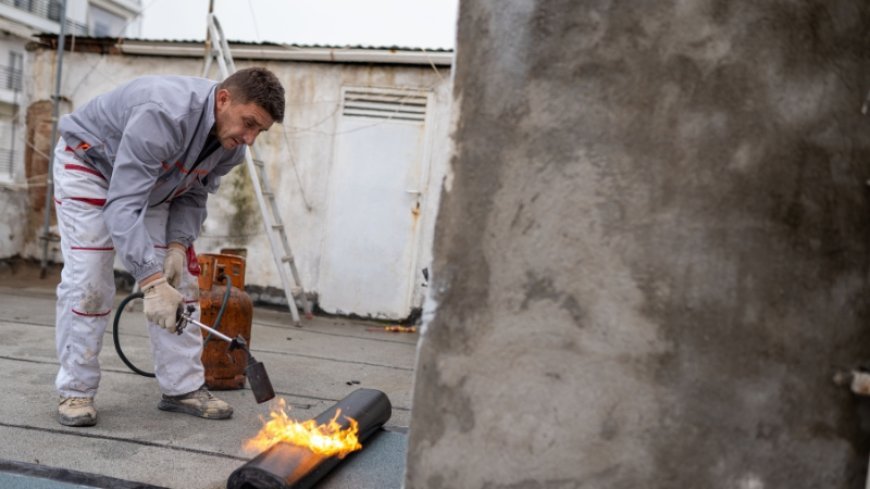
Roofs are among the most exposed parts of a building because they experience continuous exposure to sunlight, rain, and changing weather conditions. Over time, waterproofing membranes can deteriorate, allowing water to enter the building.
A professional waterproofing contractor should offer roof waterproofing services for residential, commercial, and industrial properties.
Common roof waterproofing solutions include:
-
Liquid waterproofing membranes: These create a seamless protective layer across roof surfaces.
-
Bituminous waterproofing: This provides a protective barrier against water penetration.
-
Polyurethane coatings: These offer flexibility and protection against moisture.
-
Membrane replacement: Damaged or deteriorated waterproofing membranes can be replaced when necessary.
-
Roof crack repairs: Existing cracks and vulnerable joints are treated to reduce water entry.
Proper roof waterproofing helps prevent ceiling leaks, water stains, and deterioration of building materials. It also helps property owners avoid repeated maintenance expenses.
3. Bathroom and Toilet Waterproofing
Bathrooms and toilets are constantly exposed to water, making them particularly vulnerable to leakage. Water can penetrate through damaged grout, deteriorated waterproofing membranes, pipe connections, and floor joints.
A professional contractor should provide bathroom waterproofing solutions that address these common problems.
The service may involve:
-
Inspecting the bathroom floor, walls, and surrounding areas.
-
Identifying damaged waterproofing layers and potential leakage points.
-
Removing deteriorated materials where necessary.
-
Preparing the surface for waterproofing treatment.
-
Applying suitable waterproofing membranes or coatings.
-
Conducting appropriate testing before completing the work.
Bathroom waterproofing should be handled carefully, especially in apartments and condominiums where leakage can affect neighbouring units.
A properly installed waterproofing system protects the underlying structure and helps maintain a clean, hygienic bathroom environment.
4. Balcony and Terrace Waterproofing
Balconies and terraces are exposed to rainfall, standing water, and environmental conditions. Without proper waterproofing, moisture can gradually penetrate the floor structure and cause damage to the ceilings or walls below.
Professional waterproofing services should include solutions for these exposed areas.
Depending on the existing surface and condition, contractors may recommend liquid-applied membranes, polyurethane coatings, or other suitable waterproofing systems.
Important service elements include:
-
Inspecting the balcony or terrace surface.
-
Checking drainage outlets and water flow.
-
Identifying cracks and damaged joints.
-
Applying appropriate waterproofing materials.
-
Protecting vulnerable corners and connection points.
-
Checking the completed system for potential leakage.
Proper drainage is particularly important because even a high-quality waterproofing membrane may experience problems if water continuously accumulates on the surface.
5. External Wall Waterproofing
External walls protect buildings from rainwater, humidity, and other environmental factors. However, cracks, damaged paint, deteriorated sealants, and porous construction materials can allow moisture to enter.
A professional waterproofing contractor should provide external wall waterproofing services to address these issues.
Depending on the wall material and the source of water penetration, suitable solutions may include:
-
Waterproof exterior coatings.
-
Crack filling and sealing.
-
Protective surface treatments.
-
Waterproof sealant application.
-
Repairing damaged joints and connections.
External wall waterproofing is particularly useful for buildings experiencing damp patches, peeling paint, or water stains on interior walls.
The contractor should first identify whether the problem originates from the exterior surface, plumbing, or another structural area before recommending treatment.
6. Water Leakage Detection and Repair
Water leakage detection is another important service offered by professional waterproofing companies. Hidden leaks can be difficult to identify because water may travel through structural components before becoming visible.
Simply repairing the area where water appears may not provide a permanent solution.
Professional contractors should investigate the possible source of leakage and recommend appropriate repair methods.
Common leakage problems include:
-
Bathroom and toilet leaks.
-
Roof leakage.
-
Ceiling water penetration.
-
Balcony and terrace leaks.
-
External wall leakage.
-
Water seepage through concrete surfaces.
Depending on the situation, contractors may use moisture detection equipment, visual inspections, and suitable testing methods to identify the affected areas.
Effective leak detection saves time and money by reducing unnecessary repairs and helping ensure that the actual source of the problem is addressed.
7. Concrete Crack Injection and Repair
Concrete cracks can become pathways for water penetration, particularly in basements, retaining walls, water tanks, and other concrete structures.
A professional waterproofing company should be able to assess cracks and recommend appropriate repair solutions.
One commonly used method is injection waterproofing, which involves introducing suitable materials into identified cracks to help seal water pathways.
Different materials may be selected depending on the condition of the concrete and the nature of the leakage.
For example:
-
Polyurethane injection: Commonly used for sealing certain water-bearing cracks.
-
Epoxy injection: Used for suitable structural crack repairs where bonding and strength restoration are required.
-
Surface crack sealing: Helps protect minor cracks and vulnerable surface areas.
The correct method depends on whether the crack is active, whether water is present, and whether structural movement is involved.
A proper assessment is important before selecting any injection treatment.
8. Basement and Below-Ground Waterproofing
Basements and underground structures face particular waterproofing challenges because they are exposed to moisture from the surrounding soil. Water pressure can gradually force moisture through cracks, joints, and weak points in concrete structures.
A professional contractor should offer basement waterproofing solutions designed for below-ground conditions.
These services may include:
-
Basement wall waterproofing.
-
Floor and wall joint sealing.
-
Concrete crack injection.
-
Internal waterproofing treatments.
-
External waterproofing systems where accessible.
-
Moisture and water seepage assessments.
The appropriate solution depends on the source of water, the surrounding soil conditions, and the construction of the building.
Proper basement waterproofing helps protect stored belongings, building materials, and usable indoor spaces from moisture-related damage.
9. Water Tank and Wet Area Waterproofing
Water tanks and other wet areas require specialised waterproofing because they experience continuous or frequent exposure to water.
A damaged waterproofing system may result in leakage, moisture penetration, and deterioration of surrounding concrete surfaces.
Professional contractors should assess the tank's condition, identify cracks or weak joints, and recommend suitable waterproofing materials.
Important considerations include:
-
Compatibility of waterproofing materials with the intended water use.
-
Proper surface preparation.
-
Treatment of joints and corners.
-
Appropriate curing procedures.
-
Testing before the tank returns to service.
For potable water tanks, materials must be suitable and approved for contact with drinking water. Property owners should request relevant product documentation before approving the work.
10. Waterproofing Membrane Installation and Replacement
Waterproofing membranes create protective barriers that help prevent water from entering building structures. However, membranes can become damaged through ageing, poor installation, environmental exposure, or physical wear.
A professional waterproofing contractor should provide both new membrane installation and replacement services.
Common membrane options include:
Liquid-applied membranes: These are applied as liquids and form a continuous protective layer after curing. They are useful for surfaces with complex shapes and corners.
Bituminous membranes: These are commonly used for roofs, terraces, and other suitable building surfaces.
Polyurethane membranes: These provide flexible waterproofing protection and can accommodate certain levels of surface movement.
Cementitious waterproofing: These products are commonly used in bathrooms, water tanks, and other suitable concrete surfaces.
Choosing the right membrane depends on the location, surface condition, exposure, and project requirements.
A reliable contractor should explain the advantages and limitations of the recommended product rather than offering the same solution for every situation.
11. Preventive Waterproofing Maintenance
Waterproofing is not only about repairing existing leaks. Preventive maintenance is equally important for protecting properties and reducing the likelihood of future problems.
A professional contractor should help property owners identify potential waterproofing issues before they develop into major repairs.
Preventive maintenance may include:
-
Regular roof inspections.
-
Checking balcony drainage systems.
-
Inspecting bathroom joints and sealants.
-
Examining external walls for cracks.
-
Checking exposed waterproofing membranes.
-
Identifying early signs of moisture penetration.
Singapore's tropical climate, with frequent rainfall and high humidity, makes regular property maintenance particularly valuable.
Scheduling inspections can help property owners address minor issues before they affect larger sections of the building.
12. Waterproofing Consultation, Project Planning, and Warranty Support
Apart from technical work, a professional waterproofing contractor should provide clear communication and proper project management.
Customers should understand what work is required, which materials will be used, how long the project may take, and what the estimated costs involve.
A reliable service provider should offer:
-
Professional consultation: Explaining the identified waterproofing problems and possible solutions.
-
Detailed quotations: Providing a clear breakdown of labour, materials, and other relevant costs.
-
Project scheduling: Explaining the expected timeline and work arrangements.
-
Quality workmanship: Following appropriate installation and application procedures.
-
Post-project inspection: Checking the completed work and addressing relevant concerns.
-
Warranty information: Explaining the coverage period, exclusions, and conditions.
Allseal Waterproofing PTE Ltd is a company property owners can consider when exploring professional waterproofing solutions in Singapore. Before proceeding with any contractor, customers should review the proposed scope of work, material specifications, and warranty terms.
How to Choose the Right Waterproofing Contractor
Understanding the available services is important, but selecting the right contractor is equally essential. Not every company offers the same level of experience, technical knowledge, or workmanship.
Here are several factors worth considering before making a decision.
Check Industry Experience
Look for a contractor with relevant experience handling the type of waterproofing problem affecting your property. Experience with roof waterproofing does not automatically mean the company specialises in basement or water tank waterproofing.
Review Previous Projects
Ask whether the contractor can share examples of completed projects. Previous work can help you understand the company's experience and the types of properties it has handled.
Ask About Materials and Methods
A professional contractor should explain which waterproofing products and application methods will be used. Avoid choosing a service based entirely on price without understanding the proposed solution.
Compare Detailed Quotations
Request quotations from multiple contractors and compare their scope of work, material quality, labour charges, and warranty conditions.
Understand the Warranty
Ask what the warranty covers and whether there are any exclusions or maintenance requirements. Written warranty terms provide greater clarity and help avoid misunderstandings.
Why Professional Waterproofing Services Matter
Waterproofing plays an important role in maintaining a property's structural condition and usability. Even a relatively small leak can become a costly issue if it remains untreated.
Hiring a professional Waterproofing Company in Singapore offers several advantages:
-
Protection against water damage: Proper waterproofing reduces the risk of moisture entering building structures.
-
Lower maintenance expenses: Addressing leakage problems early can help prevent more extensive repairs.
-
Improved indoor conditions: Controlling moisture helps reduce dampness and related hygiene concerns.
-
Longer building lifespan: Suitable waterproofing systems protect vulnerable construction materials.
-
Greater property protection: Effective moisture management helps maintain the condition of residential and commercial spaces.
The key is choosing a solution that addresses the actual source of water penetration rather than simply covering visible damage.
Conclusion
A professional Waterproofing Company in Singapore should offer inspection, leak detection, roof, bathroom, balcony, basement, and membrane waterproofing services. Choosing an experienced provider like Allseal Waterproofing PTE Ltd can help protect your property from water damage and support long-term building maintenance.
What's Your Reaction?
 Like
0
 Dislike
0
 Love
0
 Funny
0
 Angry
0
 Sad
0
 Wow
0