























Best Digital X-Rays Near Me in Brampton for Dental Care
Discover how modern dental imaging improves diagnosis, supports preventive care, and helps patients make informed decisions about oral health with digital X-rays.

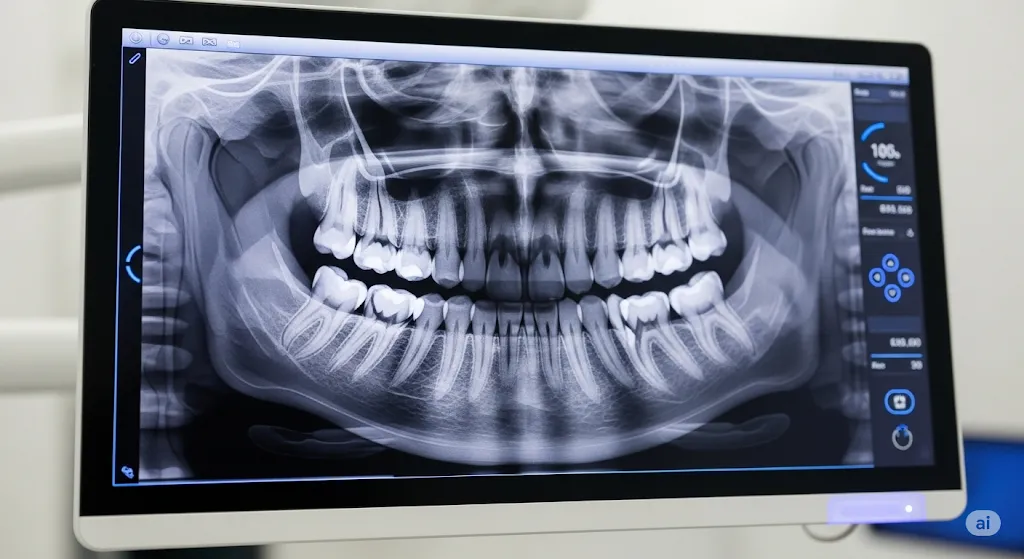
Dental care involves more than routine cleanings and visual examinations. Some oral health problems develop beneath the surface, making them difficult to identify during a standard dental checkup. Cavities between teeth, changes in bone structure, infections, and other concerns may require detailed imaging before a dentist can recommend appropriate treatment. This is where digital dental X-rays play an important role.
Patients searching for Best Digital X-Rays near me in Brampton often want a convenient, reliable way to understand their oral health. Digital radiography has made dental imaging more efficient by allowing dental professionals to examine important structures with modern technology. Understanding how this process works can help patients feel more comfortable and confident during their appointments.
What Are Digital Dental X-Rays?
Digital dental X-rays are diagnostic images created using electronic sensors instead of traditional photographic film. These sensors capture images of the teeth, roots, jawbone, and surrounding structures, allowing dentists to examine areas that cannot be seen during a regular oral examination.
Unlike conventional film-based imaging, digital radiography allows images to appear almost immediately on a computer screen. Dental professionals can enlarge, adjust, and examine specific areas to identify potential concerns more clearly.
This technology supports several aspects of dental care, including:
-
Detecting cavities between teeth.
-
Examining tooth roots and surrounding bone.
-
Identifying possible dental infections.
-
Evaluating developing teeth.
-
Monitoring changes in existing dental conditions.
-
Supporting treatment planning for different procedures.
Digital imaging provides additional information that helps dentists make more informed clinical decisions.
Why Choose Digital X-Rays for Dental Examinations?
Technology has changed how dental professionals evaluate oral health. Digital X-rays offer several practical advantages that can improve the diagnostic process and patient experience.
1. Faster Image Processing
Traditional dental X-rays require film development before the images can be examined. Digital systems eliminate this additional step by displaying images directly on a screen.
This allows dental professionals to review findings during the appointment and discuss any concerns without unnecessary delays.
2. Reduced Radiation Exposure
Digital dental imaging generally requires less radiation than conventional film-based X-ray systems. However, the actual exposure depends on the equipment and imaging technique being used.
Dentists follow appropriate safety guidelines and recommend X-rays only when they are clinically necessary. The goal is to obtain useful diagnostic information while keeping radiation exposure as low as reasonably achievable.
3. Clearer Diagnostic Images
Digital images can be enlarged and adjusted to help dentists examine specific details. This can make it easier to investigate areas between teeth, inspect existing restorations, and evaluate changes in supporting bone structures.
Better image accessibility also makes it easier for dental professionals to explain findings to patients.
4. Convenient Digital Storage
Digital X-rays can be stored electronically as part of a patient's dental records. This makes it easier to retrieve previous images and compare them with newer examinations.
Monitoring changes over time can be particularly helpful when managing ongoing dental conditions.
What Dental Problems Can Digital X-Rays Detect?
One of the biggest advantages of dental imaging is its ability to reveal problems that may not cause noticeable symptoms during their early stages.
Some common dental concerns that digital X-rays can help identify include:
Tooth Decay: Cavities can develop between teeth or beneath existing fillings. Digital images help dentists investigate areas that may be difficult to examine visually.
Bone Loss: Changes in the jawbone surrounding teeth may indicate periodontal disease or other underlying concerns.
Dental Infections: X-rays can help reveal abnormalities around tooth roots that may require further investigation.
Impacted Teeth: Imaging helps dentists examine teeth that have not erupted properly, including wisdom teeth.
Damaged Restorations: Existing fillings, crowns, and other dental restorations can be evaluated for possible problems.
Early identification allows dental professionals to discuss suitable treatment options before certain conditions become more complicated.
Are Digital Dental X-Rays Safe?
Safety is an important consideration for anyone undergoing dental imaging. Digital X-rays use controlled amounts of radiation, and dental professionals take precautions to avoid unnecessary exposure.
The frequency of X-rays depends on several factors, including a patient's dental history, age, symptoms, and risk of developing oral health problems. Not everyone requires imaging at every appointment.
Patients who are pregnant, have specific medical concerns, or are uncertain about radiation exposure should inform their dental professional before the procedure. The dentist can evaluate individual circumstances and determine whether imaging is appropriate.
The key is to balance diagnostic benefits with responsible radiation protection.
What Should You Expect During a Digital X-Ray Appointment?
Digital dental imaging is generally straightforward and does not require extensive preparation.
During the appointment, the dental professional may ask you to remove glasses, jewellery, or other items that could interfere with the imaging process. A small electronic sensor is positioned inside the mouth, and you may be asked to bite gently to keep it in place.
The X-ray equipment is positioned around the area being examined. You will need to remain still briefly while the image is captured.
Once the process is complete, the images appear on a computer screen. Your dentist can review them, explain relevant findings, and discuss whether any additional examination or treatment is needed.
Patients looking for information about modern imaging can explore the digital X-ray services offered by Hunt Dentistry to understand how this technology fits into general dental care.
How Often Should You Get Dental X-Rays?
There is no universal schedule for dental X-rays. The recommended frequency depends on individual oral health needs rather than a fixed timetable.
For example, patients with a history of cavities, gum disease, or other dental problems may require imaging more frequently than individuals with consistently healthy teeth.
Your dentist may also recommend X-rays when investigating specific symptoms, planning treatment, or monitoring an existing condition.
Regular dental examinations help determine when imaging is necessary and ensure that recommendations reflect your current oral health.
Making Informed Decisions About Your Dental Health
Digital dental imaging has become an important part of modern dentistry because it provides valuable information that visual examinations alone cannot always reveal. From identifying hidden cavities to evaluating bone health, these images help dental professionals understand what is happening beneath the surface.
When considering the Best Digital X-Rays near me in Brampton, patients should look beyond convenience and consider the importance of appropriate technology, professional evaluation, and patient-focused care.
With routine dental visits and clinically recommended imaging, individuals can better understand their oral health and address potential concerns at an appropriate time. Digital X-rays are not simply diagnostic images; they are a useful tool for supporting informed decisions and maintaining healthier smiles.
What's Your Reaction?
 Like
0
 Dislike
0
 Love
0
 Funny
0
 Angry
0
 Sad
0
 Wow
0