




























Fasting and Sport: How to Adjust Your Training During a Fast
That is why it is best to view fasting and sports as a combined effort, not just an endurance test.

Fasting changes the body’s fuel source. When you reduce your carbs, your glycogen levels decrease and your body begins to use fat stores. It can affect your exercise tolerance, hydration, blood pressure and the perceived difficulty of activity. That is why it is best to view fasting and sports as a combined effort, not just an endurance test.
The right kind of activity can help your circulation, mobility, mood, and metabolic health. How hard you train should match where you are in your fast and your personal health needs.
Choose Moderate Movement
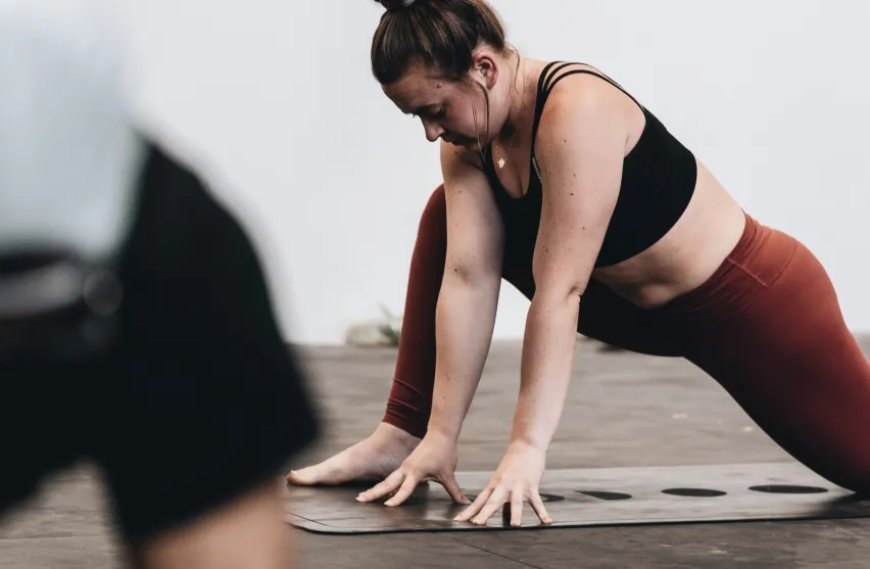
While fasting for health, gentle or moderate exercise is usually better than pushing yourself to the limit. Activities like walking, Nordic walking, mobility exercises, Pilates, stretching, and light strength work keep you moving without putting too much strain on your body.
Water-based exercise often feels easier on the joints because the water supports your body. Aqua workouts can help with mobility and endurance, and you can adjust how hard you work. If you’re getting back into exercise, seated movements or supervised mobility sessions can also be helpful.
When you’re fasting, focus on workout quality, not length. Shorter, well-controlled sessions are usually better than trying to stick to your usual routine.
Monitor Intensity Carefully
Pay attention to how hard exercise feels when you’re fasting. If you’re doing light aerobic activity, you should still be able to talk comfortably. If you feel dizzy, unusually weak, nauseous, have palpitations, feel faint, or get very short of breath, stop and get medical advice.
Everyone’s fluid needs are different, and they can change depending on the type of fast. If you take medication for blood pressure, diabetes, or other long-term conditions, talk to a healthcare professional before fasting or changing your exercise routine.
If you’re a competitive athlete or used to heavy resistance training, you may need to cut back on how much and how hard you train. Avoid heavy lifting, long endurance workouts, high-intensity intervals, and training in very hot conditions during some fasts.
Support Recovery Between Sessions
Recovery is just as important as exercise. Getting enough sleep, resting, and easing back into activity help your body adjust. Mindfulness, breathing exercises, yoga, and relaxation can also reduce stress and help you notice when you’re getting tired.
Be careful when you finish your fast. Don’t jump straight back into intense training as soon as you start eating again. Take it slow so your body can adjust. If your fast was long or supervised by a doctor, follow their advice when returning to normal meals and exercise.
Medical Supervision Matters
Fasting isn’t right for everyone, and not all exercise plans work during a fast. If you have a long-term health condition, heart concerns, or take medication, it’s especially important to get a medical check-up first.
Supervision might include health checks, medication reviews, and monitoring your blood pressure or blood sugar if needed. Personal trainers and physiotherapists can help adjust your exercises to fit your current abilities instead of sticking to a set routine.
A Structured Approach to Fitness
A well-planned fasting program can include walking, water exercise, back fitness, Pilates, mobility work, and relaxation, instead of treating exercise as something separate. This way, movement, recovery, and medical support all work together for better fitness while fasting.
The goal isn’t to burn as many calories as possible. It’s to keep you moving and support your wellbeing while your body adjusts.
Schloss Warnsdorf
Schloss Warnsdorf combines the charm of an English country manor with personalised care, medical expertise, and a peaceful setting. Their holistic approach and tradition of therapeutic fasting are part of an all-inclusive daily care package. This includes medical assessments, personalised therapy plans, nutrition support, fasting supervision, and a variety of sports and relaxation activities. Guests can take part in walking, Nordic walking, aqua gymnastics, back fitness, Pilates, and fitness equipment sessions, all with guidance from medical specialists, physiotherapists, and personal trainers. The package covers accommodation, fasting meals, monitoring, and scheduled care, bringing everything together in a coordinated way. This shows a balanced approach to fasting, activity, recovery, and stress management.
Conclusion
Fasting and sport can coexist when exercise is adjusted to the body's changing needs. Gentle movement, intensity control, recovery and medical supervision provide a more sustainable framework than maintaining normal training loads.
If you want to stay fit while fasting, remember that movement should help your fasting process, not work against it. A thoughtful plan can make exercise part of a bigger picture for preventive health, metabolic wellbeing, and lasting vitality.
What's Your Reaction?
 Like
0
Like
0
 Dislike
0
Dislike
0
 Love
0
Love
0
 Funny
0
Funny
0
 Angry
0
Angry
0
 Sad
0
Sad
0
 Wow
0
Wow
0