



















Khapli Atta vs Regular Atta: Which One Suits Your Cooking Style?
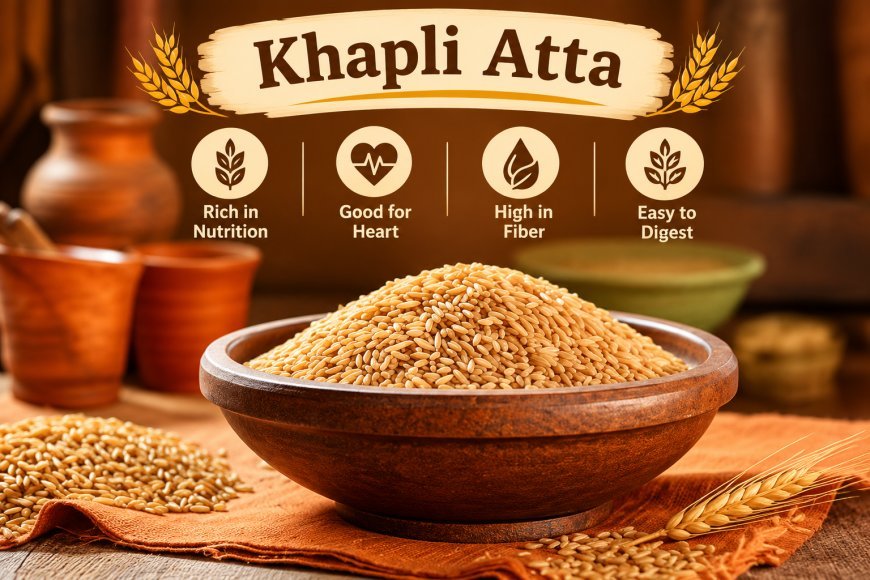
Khapli wheat, also called emmer wheat, is an older wheat species known scientifically as Triticum dicoccum. It has a distinct grain structure and is cultivated in parts of India. Its flour is available in different forms depending on the milling method.

Choosing flour for the kitchen may seem like a small decision, but it can influence the way everyday meals are prepared. The type of wheat used, the milling process and the flour's texture all contribute to the cooking experience. Some households prefer familiar wheat flour for daily rotis, while others enjoy exploring traditional grain varieties.
The choice between Khapli and regular wheat flour becomes easier when you understand how each fits into your cooking habits. Rather than treating one as a universal replacement for the other, it is useful to look at their characteristics, preparation requirements and suitability for different recipes.
Meet the Two Grains Behind the Comparison
Regular atta is commonly made from bread wheat, scientifically known as Triticum aestivum. It is widely used in Indian kitchens for everyday chapatis, parathas and other wheat-based dishes.
Khapli wheat, also called emmer wheat, is an older wheat species known scientifically as Triticum dicoccum. It has a distinct grain structure and is cultivated in parts of India. Its flour is available in different forms depending on the milling method.
Although both are wheat-based flours, they are not identical. Their characteristics can influence dough behaviour, texture and the way they perform in familiar recipes.
What Changes When You Prepare the Dough?
The first noticeable difference for many home cooks appears during kneading.
Regular atta is familiar to most households. People often know how much water to add, how long to knead and how to prepare dough for their preferred roti thickness.
Khapli atta may behave differently depending on its milling, particle size and bran content. It can require some adjustment in water quantity and resting time.
Understanding dough behaviour
|
Cooking factor |
Regular atta |
Khapli wheat flour |
|
Dough preparation |
Familiar for regular household use |
May need some adjustment |
|
Water requirement |
Depends on flour quality |
Depends on milling and flour characteristics |
|
Kneading |
Common household method |
Gentle adjustment may be useful |
|
Resting |
Helps improve dough handling |
Can help the flour hydrate evenly |
|
Rolling |
Familiar for most cooks |
May require practice to find the preferred thickness |
For households trying khapli atta, beginning with a small quantity can help identify the right water-to-flour ratio.
There is no single measurement that works for every flour. A gradual approach is more practical than following a fixed quantity from another recipe.
Which Flour Fits Your Favourite Recipes?
Your cooking style should play a major role in deciding which flour to keep in the kitchen.
Regular atta is a convenient option for households that prepare wheat-based meals frequently and prefer familiar cooking methods. It can be used for a wide range of everyday recipes.
Emmer wheat flour offers another option for people interested in traditional grains and experimenting with different flour characteristics.
Compare by preparation
For everyday chapatis
Regular atta is a familiar choice for preparing routine chapatis. Khapli flour can also be used, although its dough may require adjustments to achieve the preferred rolling and cooking results.
For stuffed parathas
Both flours can be used for stuffed parathas. The dough should be manageable enough to hold the filling while allowing the bread to cook evenly.
For traditional flatbreads
Khapli flour can be explored in recipes that use traditional wheat-based ingredients. The final texture will depend on the recipe and the proportion of flour used.
For experimenting with recipes
Home cooks who enjoy trying regional ingredients may find emmer wheat flour interesting. It can introduce a different texture and flavour experience to familiar preparations.
Looking Beyond Appearance: What About Nutrition?
Nutrition is another reason people explore different wheat varieties. However, it is important to understand that nutritional values depend on the grain, processing method and final flour composition.
Emmer wheat naturally contains dietary fibre, protein and several minerals. Whole-grain flour generally retains more of the grain's bran and germ than highly refined flour.
Regular whole-wheat atta also provides dietary fibre, protein and minerals. Therefore, comparing the two requires looking at the actual product rather than assuming that one variety always has a nutritional advantage.
Some useful points to consider include:
-
Dietary fibre: The amount depends on how much bran is retained during milling.
-
Protein: Values vary with wheat variety and growing conditions.
-
Minerals: Whole-grain products can retain minerals present in different grain components.
-
Processing: Refinement and milling methods influence the nutritional composition of flour.
-
Serving size: The amount consumed also contributes to the overall nutritional value of a meal.
People managing specific dietary requirements should check product information and seek professional dietary advice where necessary.
How Does the Final Roti Turn Out?
The texture of a roti depends on several factors, including flour quality, dough hydration, kneading, rolling thickness and cooking temperature.
Regular atta is familiar to many cooks, so they may already have a preferred method for preparing soft chapatis.
With Khapli flour, the results can vary according to the flour's particle size and composition. Some cooks may prefer a slightly different water quantity or resting period.
A practical way to evaluate both is to prepare small batches using a consistent cooking method.
Observe:
-
How easily the dough comes together.
-
Whether it feels manageable while rolling.
-
How evenly the roti cooks.
-
The texture after cooking.
-
Whether the result suits your family's preferences.
This simple comparison provides more useful information than relying only on the appearance of uncooked flour.
A Simple Way to Introduce Khapli Flour Into Your Kitchen
Changing an established cooking routine does not have to happen all at once. If your household regularly uses conventional wheat flour, you can begin by testing a small amount of another variety.
Here is a straightforward approach:
-
Purchase a small pack from a reliable source.
-
Read the ingredient and product information.
-
Prepare a small batch of dough.
-
Adjust water gradually during kneading.
-
Allow enough resting time for hydration.
-
Try a familiar recipe before exploring new ones.
-
Note the texture and preparation method that work best.
Some households may also experiment with blending different flours in recipes. If doing so, start with a small proportion and adjust according to the desired dough consistency.
Make Your Choice According to Everyday Needs
The most suitable flour depends on what matters most in your kitchen.
|
Your cooking preference |
Option to explore |
|
Familiar daily chapati preparation |
Regular atta |
|
Interest in traditional wheat varieties |
Khapli flour |
|
Trying different grain-based recipes |
Khapli flour |
|
Established household cooking routine |
Regular atta |
|
Exploring different flour textures |
Either, through small-batch testing |
There is no requirement to choose only one variety for every meal. Different flours can serve different cooking purposes, depending on household preferences and recipe requirements.
Conclusion
Khapli and regular atta each have a place in Indian kitchens. Regular atta offers familiarity and versatility for everyday cooking, while Khapli flour gives home cooks an opportunity to explore an older wheat variety and its distinct characteristics.
The better choice depends on your recipes, preferred dough texture, preparation habits and nutritional requirements. Testing both in familiar dishes is a practical way to understand their differences and decide which one suits your kitchen.
Frequently Asked Questions
1. Is emmer wheat the same as regular wheat?
No. Emmer wheat is an older wheat species, scientifically known as Triticum dicoccum. Regular commercial wheat flour is commonly made from bread wheat, Triticum aestivum.
2. Can both types of flour be used to make chapatis?
Yes. Both can be used for chapatis. Water quantity, kneading and resting time may need adjustment depending on the flour.
3. Which flour is easier for beginners to handle?
Regular atta may feel more familiar to people who prepare everyday chapatis. Beginners can also learn to work with emmer wheat flour by preparing small batches.
4. Can different wheat flours be blended?
Yes. Different flours can be blended for suitable recipes. The proportion should be adjusted based on the desired dough consistency and cooking result.
5. Does whole-wheat flour contain dietary fibre?
Yes. Whole-wheat flour contains dietary fibre, particularly when the bran is retained during processing. The actual amount varies by product and milling method.
What's Your Reaction?
 Like
0
 Dislike
0
 Love
0
 Funny
0
 Angry
0
 Sad
0
 Wow
0