



























Does Homeowners Insurance Pay for Roof Replacement After Hail?
Homeowners insurance covers roof replacement after hail in Texas, including roof age, deductibles, damage types, claim deadlines, and coverage options.

Does Homeowners Insurance Pay for Roof Replacement After Hail?
Most standard homeowners insurance policies in Texas do cover roof replacement after hail, provided the damage is functional rather than purely cosmetic and your roof isn't excluded due to age or prior wear. Whether you get a full roof replacement or a partial repair payout depends on your specific policy, the extent of the damage, and how the claims process plays out with your adjuster.
Think of your homeowners policy like a seatbelt. It's there for exactly this kind of situation, but it only works the way it's supposed to if you use it correctly and don't wait until after the crash to figure out how it buckles. Hail claims are the same. The coverage is usually there, but how much you actually get depends on steps most homeowners don't think about until a storm has already rolled through.
The Short Answer, and Why It Depends
1. What Most Standard Policies Cover
The vast majority of homeowners policies written in Texas include wind and hail coverage as a standard part of the policy, not an add-on. That means if a hailstorm damages your roof, you're generally covered to file a claim. The real question isn't whether you have coverage, it's whether the damage meets your insurer's threshold for a payout, and whether that payout covers a full roof replacement or just a repair.
2. The Two Ways Insurers Pay Out
Policies typically pay out one of two ways: Replacement Cost Value, which covers the cost to replace your roof with new materials of similar kind and quality, or Actual Cash Value, which factors in depreciation based on your roof's age. A 15-year-old roof covered under an Actual Cash Value policy might only get you a fraction of what a brand-new roof replacement would cost, even if the storm damage is extensive.
3. Why Your Specific Policy Matters More Than Averages
No two policies read exactly the same. Some have separate wind and hail deductibles that are higher than your standard deductible. Some exclude roofs over a certain age entirely. Pulling out your actual policy document and reading the roof-specific language is worth the twenty minutes it takes, because general advice, including this article, can't account for every variation.
Coverage Types at a Glance
-
Replacement Cost Value: pays for new materials, no depreciation deducted
-
Actual Cash Value: pays current depreciated value of your roof
-
Named peril policies: covers specific listed events like hail and wind
-
Open peril policies: covers everything except what's specifically excluded
What Determines If Your Claim Gets Approved
1. The Age of Your Roof
Insurers pay close attention to roof age. Many companies apply different payout terms, or decline new coverage altogether, on roofs past 15 to 20 years old. If your roof is already near the end of its expected lifespan, hail damage might be the deciding factor that pushes your insurer toward approving a full roof replacement rather than a patch repair, since the underlying material is already compromised.
2. Functional Damage vs Cosmetic Damage
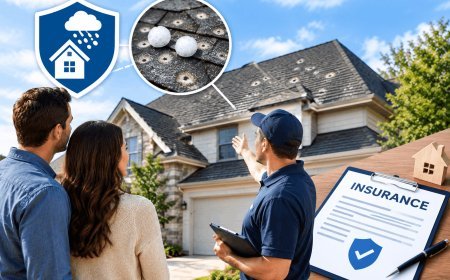
This is where a lot of homeowners get tripped up. Adjusters distinguish between damage that affects how the roof performs, cracked shingles, exposed mat, compromised flashing, and damage that's purely cosmetic, like minor surface marks that don't affect water resistance. Functional damage typically gets approved. Cosmetic-only damage often doesn't, which is why a thorough inspection matters so much before you file.
3. Your Deductible Amount
Texas homeowners often carry a separate percentage-based deductible for wind and hail claims, sometimes 1 to 2 percent of the home's insured value rather than a flat dollar amount. On a $350,000 home, a 2 percent deductible works out to $7,000 before your insurance starts covering anything. Knowing this number ahead of time helps you set realistic expectations for what a claim will actually net you.
Factors That Work in Your Favor
-
Roof is under 15 years old
-
Damage is widespread rather than isolated
-
You filed within your policy's required window
-
Documentation includes clear photos and a dated inspection
-
You compared the insurer's scope against an independent contractor estimate
How the Claims Process Actually Works
1. Filing Within Your Policy's Deadline
Most Texas policies require hail damage claims to be filed within one year of the storm date, though some insurers set shorter windows. Waiting too long is one of the most common and most avoidable reasons a legitimate claim gets denied.
2. The Adjuster's Inspection
Once you file, your insurance company sends an adjuster to assess the roof and determine the scope of covered damage. This inspection forms the basis for whatever payout you're offered, whether that's a full roof replacement, a partial repair, or a denial.
3. Getting a Second Opinion Before You Settle
Adjusters inspect dozens of roofs a week and sometimes miss damage that a roofing contractor familiar with the local storm patterns would catch immediately. Getting an independent estimate before accepting the insurer's first offer gives you leverage if the scope seems too narrow for the actual damage.
Steps From Storm to Settlement
-
Document damage with photos right after the storm
-
File your claim within the policy deadline
-
Schedule an independent contractor inspection
-
Meet the adjuster on-site if possible
-
Compare the adjuster's scope with your contractor's findings
-
Negotiate or appeal if the numbers don't match
Common Reasons Claims Get Denied or Underpaid
1. Missing the Filing Window
This is the single most preventable mistake. A fully covered claim can become worthless simply because the homeowner waited past the deadline, often because the damage wasn't causing a visible leak yet.
2. Pre-Existing Wear Mistaken for Hail Damage
If your roof already had wear and tear before the storm, insurers may argue that some or all of the damage predates the hail event and deny coverage for those sections. This is exactly why a documented inspection history helps your case.
3. Accepting the First Adjuster Estimate Too Quickly
Homeowners often accept the initial scope without question, assuming the adjuster caught everything. In reality, a quick walk around a roof can miss bruised shingles or compromised flashing that only shows up on closer inspection.
What to Do If Your Claim Is Denied
-
Request a written explanation of the denial
-
Get a second, independent contractor inspection
-
File a formal appeal with supporting documentation
-
Contact the Texas Department of Insurance if you believe the denial was unfair
-
Consider a public adjuster for large or disputed claims
Working With a Contractor Through the Claims Process
1. Why Documentation Matters So Much
A contractor who photographs every stage of damage, from ground-level dents to close-up shingle bruising, gives you something concrete to bring to your adjuster or to an appeal. Without that documentation, it's your word against a quick visual assessment.
2. Meeting the Adjuster On-Site
Having your contractor present when the adjuster inspects the roof often leads to a more accurate scope, since both parties are looking at the same damage at the same time and can discuss findings directly.
3. What Honest Hail Damage Roof Repair Looks Like
A trustworthy contractor will tell you plainly whether your situation calls for a repair or a full roof replacement, based on the actual extent of the damage, not based on what gets them the biggest check. Our hail damage roof repair team handles the inspection, documentation, and adjuster meeting as part of the same process, so you're not left managing the insurance side on your own.
Conclusion
Homeowners insurance generally does cover roof replacement after hail in Texas, but getting the payout you actually deserve depends on a handful of details most people never think about until a storm hits: your policy type, your roof's age, how quickly you file, and how well the damage gets documented. A denied or underpaid claim is often less about the insurance company being unfair and more about missed deadlines or incomplete documentation on the homeowner's side. If you suspect your roof took a hit, getting a professional hail damage roof repair inspection before you file, or before you accept the first offer, puts you in a much stronger position to get the roof replacement your policy was actually designed to cover.
Frequently Asked Questions
1. Does homeowners insurance always pay for a full roof replacement after hail?
Not always. It depends on your policy type, the age of your roof, and whether the damage is classified as functional rather than cosmetic. Many claims do result in full roof replacement, but some result in partial repairs or reduced payouts due to depreciation.
2. How long do I have to file a hail damage roof repair claim in Texas?
Most policies require claims within one year of the storm date, though some insurers set shorter windows. Check your specific policy, since missing the deadline is one of the most common reasons claims get denied.
3. What's the difference between Replacement Cost Value and Actual Cash Value for a roof claim?
Replacement Cost Value pays for new materials without factoring in age, while Actual Cash Value deducts depreciation based on how old your roof already is. A roof replacement under an Actual Cash Value policy typically nets a smaller payout than the same damage under Replacement Cost Value.
4. Can my insurance deny a hail claim if my roof is old?
Yes, insurers can deny or limit coverage on older roofs, particularly those nearing or past 20 years old, since many policies include age-related exclusions or depreciation clauses that significantly reduce payouts.
5. Should I get my own inspection before filing a claim?
Yes. An independent inspection documents the full extent of hail damage roof repair needs before the adjuster arrives, giving you something to compare against the insurer's scope and strengthening your case if the initial offer seems too low for a full roof replacement.
What's Your Reaction?
 Like
0
Like
0
 Dislike
0
Dislike
0
 Love
0
Love
0
 Funny
0
Funny
0
 Angry
0
Angry
0
 Sad
0
Sad
0
 Wow
0
Wow
0