


















Best Wisdom Teeth Dentist Near Me in Markham: Care Guide
Looking for the best wisdom teeth dentist near me in Markham? Learn about wisdom tooth pain, removal, recovery, and when professional dental care is needed.


Wisdom teeth are the final set of molars to develop, usually appearing during the late teenage years or early adulthood. While some people experience no problems when these teeth emerge, others may develop discomfort, swelling, crowding, or infections. Knowing when to seek professional attention can help prevent minor concerns from becoming more complicated.
Finding the Best Wisdom Teeth Dentist Near Me in Markham often begins with understanding the signs of wisdom tooth complications and knowing what to expect during an examination. Whether you are experiencing pain or simply want to understand your dental health, professional guidance can help you make informed decisions about treatment.
What Are Wisdom Teeth and Why Can They Cause Problems?
Wisdom teeth are the third molars located at the back of the mouth. Most adults develop up to four wisdom teeth, although some people have fewer or none.
These teeth often emerge when the jaw has limited space to accommodate additional molars. As a result, they may grow at an angle, remain partially covered by gum tissue, or become trapped beneath the gums.
This condition is known as impaction. Impacted wisdom teeth can contribute to several dental problems, including:
-
Pain and tenderness: Pressure from an emerging or impacted tooth can cause discomfort.
-
Gum inflammation: Partially erupted teeth can create areas where bacteria and food particles collect.
-
Infection: Bacteria around partially erupted wisdom teeth may cause swelling, pain, and unpleasant taste.
-
Tooth decay: Wisdom teeth can be difficult to clean because of their position.
-
Damage to neighbouring teeth: Certain impacted teeth may place pressure on nearby molars.
-
Cysts: In some cases, impacted wisdom teeth can be associated with cyst development around the tooth.
Not every wisdom tooth needs removal. A dental examination and appropriate imaging help determine whether monitoring or treatment is necessary.
Signs You May Need a Wisdom Teeth Examination
Wisdom tooth problems do not always begin with severe pain. Sometimes, early symptoms are mild but become more noticeable over time.
Common warning signs include:
Persistent Pain at the Back of the Mouth
Discomfort near the back molars may indicate that a wisdom tooth is erupting or becoming impacted. Pain can sometimes extend toward the jaw or ear.
Swollen or Bleeding Gums
Redness, tenderness, and swelling around an emerging wisdom tooth may suggest inflammation. Partially erupted teeth are particularly difficult to clean thoroughly.
Difficulty Opening Your Mouth
Jaw stiffness or discomfort when chewing may occur when surrounding tissues become inflamed. This symptom should be assessed by a dental professional.
Unpleasant Taste or Bad Breath
Food particles and bacteria can accumulate around partially erupted wisdom teeth, sometimes producing persistent bad breath or an unpleasant taste.
If you experience facial swelling, fever, difficulty swallowing, or rapidly worsening symptoms, seek urgent dental or medical assessment.
How to Choose the Best Wisdom Teeth Dentist Near Me in Markham
Choosing a dental professional for wisdom tooth care involves more than finding someone who can perform an extraction. Patients should consider several factors before deciding where to receive treatment.
Experience with wisdom tooth assessments: Look for a dental professional familiar with evaluating erupted, partially erupted, and impacted wisdom teeth.
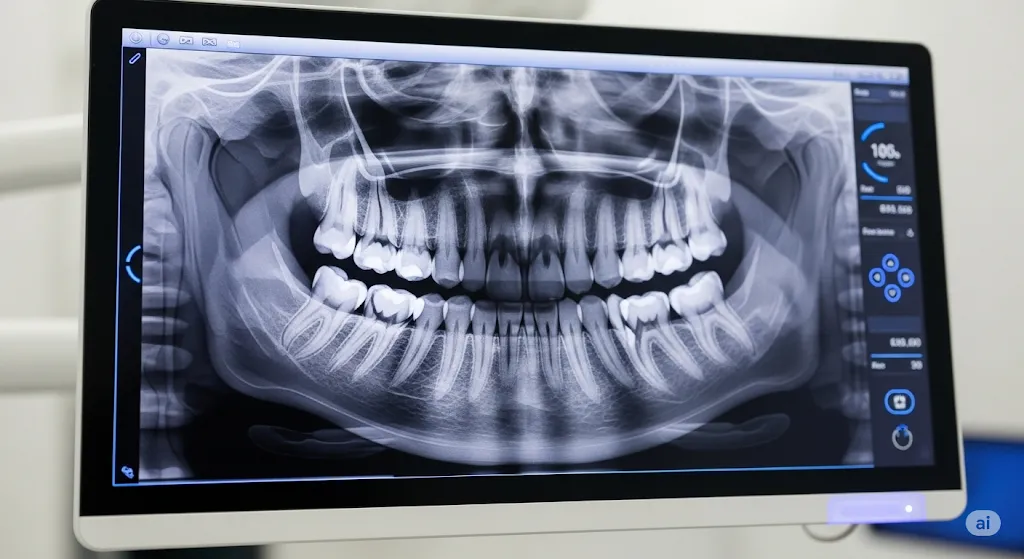
Diagnostic technology: Dental X-rays and other appropriate imaging help assess tooth position, roots, and their relationship with nearby structures.
Clear treatment explanations: A good dental provider should explain whether removal is necessary, discuss available options, and outline potential risks.
Comfort and patient care: Discuss pain management, anxiety concerns, and available approaches to making treatment more comfortable.
Aftercare guidance: Proper recovery instructions are important for reducing complications and supporting healing after extraction.
Taking time to discuss these considerations can help patients feel more confident about their treatment decisions.
What Happens During Wisdom Teeth Removal?
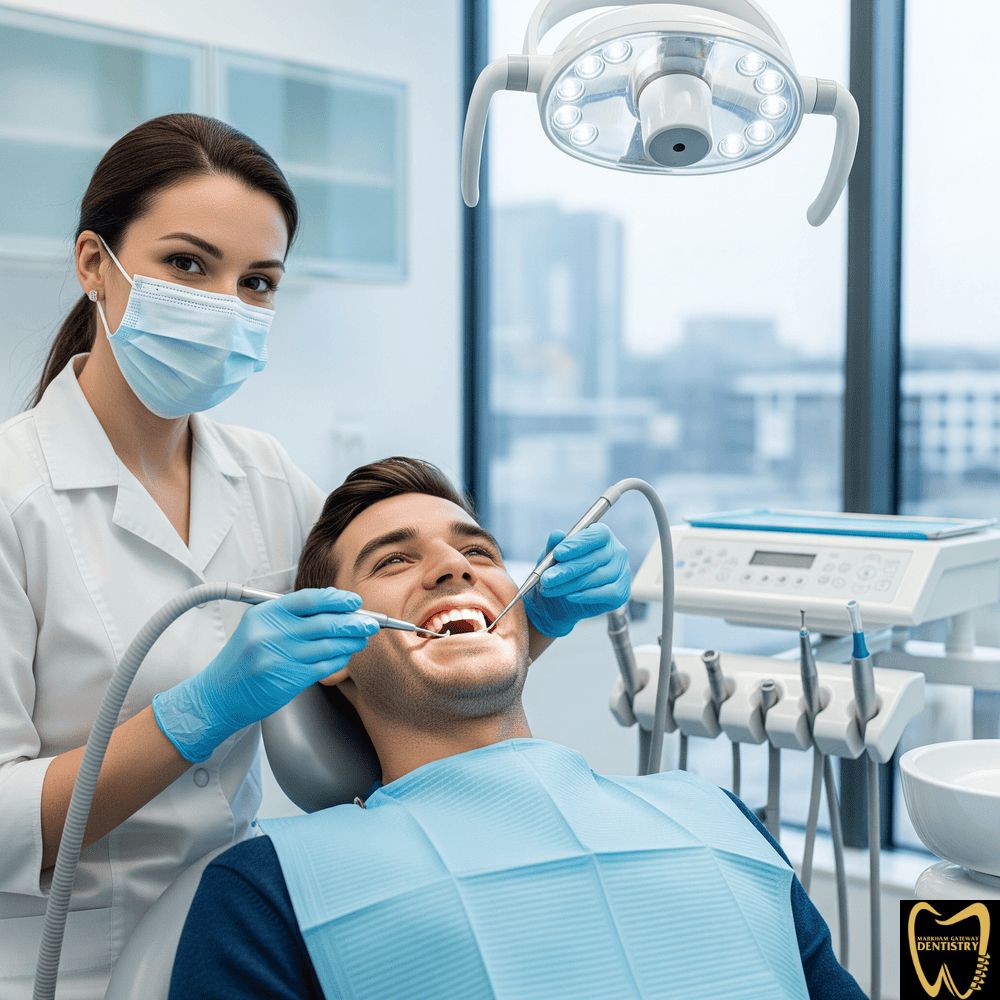
Wisdom tooth extraction is a common dental procedure, but the approach depends on the position and condition of the tooth.
Initial Examination
The dentist examines the mouth and reviews dental imaging to understand the position of the wisdom teeth. This assessment helps determine whether extraction is recommended and how complex the procedure may be.
Preparing for the Procedure
Before treatment, patients receive instructions about eating, medications, and other preparation requirements. The dental professional also discusses appropriate anesthesia or sedation options when available and suitable.
Tooth Extraction
A fully erupted wisdom tooth may be removed using a relatively straightforward extraction technique. An impacted tooth may require a minor surgical procedure involving access through the gum tissue.
The dentist selects the appropriate approach based on the individual case.
Recovery and Follow-Up
After extraction, patients receive instructions for managing discomfort, swelling, and bleeding. Follow-up appointments may be recommended depending on the complexity of the procedure and the patient's recovery.
Patients interested in understanding the available treatment approach can explore the wisdom teeth services and treatment information provided by Unionville Gates Family Dentist.
Tips for a Smooth Wisdom Tooth Recovery
Recovery varies depending on the number of teeth removed, the complexity of extraction, and individual healing responses. Following professional aftercare instructions is essential.
Some helpful recovery practices include:
-
Rest during the initial recovery period.
-
Choose soft foods such as yogurt, mashed potatoes, and soups.
-
Avoid smoking and vaping while healing.
-
Do not use straws during the period recommended by your dentist.
-
Avoid vigorous rinsing or spitting immediately after surgery.
-
Apply cold compresses as instructed to help manage swelling.
-
Keep the extraction area clean according to professional guidance.
-
Take prescribed or recommended medication as directed.
A blood clot forms in the extraction site and plays an important role in healing. Dislodging it can lead to a painful condition called dry socket.
Contact your dental provider if bleeding does not settle, pain becomes significantly worse, or you develop signs of infection.
Do All Wisdom Teeth Need to Be Removed?
No. Wisdom tooth extraction is not automatically necessary for everyone.
If wisdom teeth are healthy, fully erupted, properly positioned, and easy to clean, a dentist may recommend monitoring them through routine examinations.
However, removal may be appropriate when teeth cause repeated infections, significant decay, damage to neighbouring teeth, or other complications.
The decision should be based on clinical findings rather than age alone or the assumption that all wisdom teeth eventually cause problems.
Conclusion
Wisdom teeth can develop without complications, but limited jaw space and improper eruption sometimes create painful dental conditions. Finding the Best Wisdom Teeth Dentist Near Me in Markham involves choosing a professional who can accurately assess tooth position, explain treatment options, and provide appropriate aftercare.
Whether you need an examination, monitoring, or extraction, early professional advice can help protect your oral health. Understanding the procedure and following recovery instructions also makes the overall experience more manageable.
What's Your Reaction?
 Like
0
 Dislike
0
 Love
0
 Funny
0
 Angry
0
 Sad
0
 Wow
0