


















When Your Dog Seems Fine, Should You Still Worry About Her Health?
Learn which subtle changes in your dog's appetite, energy, or behaviour deserve attention and when to call your veterinarian, even if she seems fine.

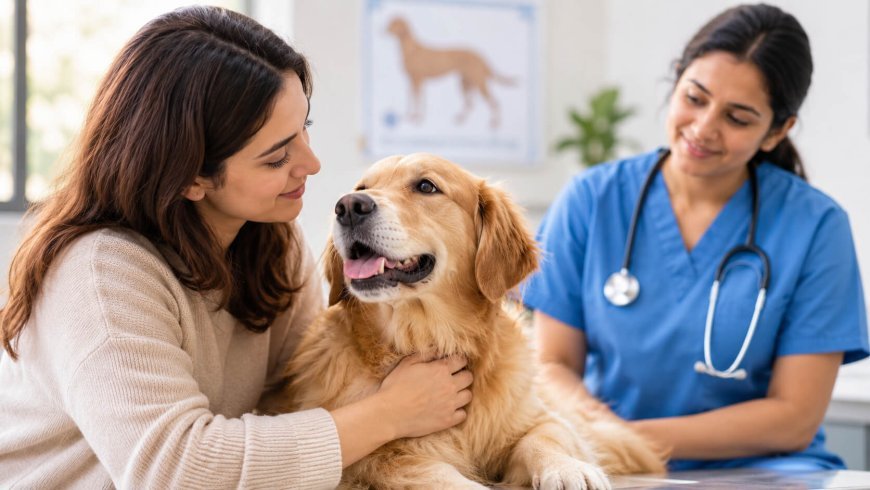
It is not always easy to tell when something is wrong with a dog. She may still greet you at the door, enjoy her favourite treats, wag her tail during walks, and curl up beside you at night. From the outside, everything may seem normal. Yet you might notice that she is eating a little less, sleeping longer, behaving differently, or no longer showing the same enthusiasm for activities she once loved.
These small changes can leave owners wondering whether they are overthinking things or missing an important warning sign. Some health concerns, including pyometra in dogs, may initially produce symptoms that owners mistake for ordinary tiredness, appetite changes, or temporary discomfort. Knowing what is normal for your dog and recognising when something has changed can help you make more confident decisions about her health.
Why Owners Often Miss the Early Signs
Dogs cannot tell us when they feel unwell. They may continue eating, walking, playing, and interacting with the family even when something is bothering them. Some dogs also instinctively hide discomfort, which can make early symptoms difficult to recognise.
The challenge is that many changes seem harmless on their own. A dog may skip one meal, sleep through part of the afternoon, or seem less interested in playing. Owners may reasonably assume she is tired, distracted, or experiencing a temporary change in routine.
However, when these changes become frequent or start appearing together, they deserve closer attention.
Changes in appetite and drinking habits
A dog that suddenly loses interest in food, eats noticeably less, or begins drinking much more water than usual may be experiencing an underlying health issue.
Occasional appetite changes can occur because of stress, environmental changes, or food preferences. Persistent changes, particularly when accompanied by vomiting, weight loss, lethargy, or changes in urination, should be discussed with a veterinarian.
Increased thirst is particularly easy to overlook because owners may simply refill the water bowl more often without thinking about why. If your dog is drinking noticeably more than usual, keep track of the change and seek veterinary guidance.
Sleeping more or avoiding activities
Dogs naturally spend a considerable amount of time resting, but there is a difference between normal relaxation and a noticeable decline in energy.
If your dog begins avoiding walks, struggles to get comfortable, stops climbing stairs, or seems reluctant to move after resting, these changes may indicate pain, joint problems, weakness, or another medical concern.
Pay attention to whether she still enjoys the activities she previously looked forward to. A dog that consistently avoids playing, walking, or interacting with family members may need an examination, even if she appears otherwise comfortable.
Behaviour that feels different
Sometimes the first sign of a health problem is a change in personality rather than a physical symptom.
A normally affectionate dog may begin spending more time alone. A calm dog may become restless, irritable, or unusually clingy. Some dogs may growl or react differently when touched in an area that is painful.
These changes do not automatically mean your dog is sick, but they should not be dismissed when they persist or occur alongside other symptoms.
When Is It Reasonable to Monitor, and When Should You Call the Vet?
Not every minor change requires an emergency visit. Understanding the difference between something that can be monitored briefly and something that needs professional attention can help reduce unnecessary worry while avoiding dangerous delays.
When short-term observation may be appropriate
If your dog skips a meal but remains energetic, drinks normally, and shows no other symptoms, you may be able to observe her briefly while monitoring her behaviour.
Notice whether she returns to her normal routine, whether the symptom repeats, and whether anything else changes. Avoid assuming that a symptom has resolved simply because it becomes less noticeable for a few hours.
If the change persists, worsens, or concerns you, contact your veterinary clinic for advice.
Signs that should not be ignored
Seek prompt veterinary assessment if your dog experiences:
-
Repeated vomiting or diarrhoea
-
Persistent loss of appetite
-
Noticeably increased thirst or urination
-
Sudden weakness or unusual lethargy
-
Difficulty walking or signs of significant pain
-
A swollen or painful abdomen
-
Unusual vaginal discharge
-
Sudden behavioural changes accompanied by physical symptoms
Difficulty breathing, collapse, seizures, severe bleeding, inability to urinate, or suspected poisoning require immediate emergency veterinary attention.
Female Dogs Have Health Risks Owners Should Know About
Owners of female dogs, particularly those who have not been spayed, should be aware of reproductive health conditions that may not be immediately obvious.
Pyometra is a serious uterine infection that can develop in unspayed female dogs, commonly following a heat cycle. Signs may include increased thirst, frequent urination, reduced appetite, vomiting, lethargy, and vaginal discharge. Some dogs develop the infection without visible discharge, which can make recognition more difficult.
An owner may initially think their dog is simply tired or experiencing a mild stomach problem. However, pyometra can become life-threatening and requires urgent veterinary care.
If an unspayed female dog seems unwell, especially in the weeks following a heat cycle, do not wait for more obvious symptoms to develop before seeking advice.
Discussing spaying, reproductive health, and individual risk factors with your veterinarian can help you understand which preventive measures are appropriate for your dog.
What You Can Do at Home to Understand Her Health Better
You do not need to become an expert in veterinary medicine to recognise changes in your dog's wellbeing. A few simple habits can help you notice patterns and provide useful information during an appointment.
Pay attention to her normal routine
Every dog has her own habits. Knowing how much she usually eats, how frequently she drinks, how active she is, and how she behaves around family members gives you a useful baseline.
A change is easier to recognise when you know what is normal for your dog.
Keep a record of unusual symptoms
If you notice something unusual, record when it started and how frequently it occurs. Note changes in appetite, drinking, urination, bowel movements, energy, mobility, or behaviour.
If your dog vomits, develops a skin problem, or begins limping intermittently, a photograph or short video may help your veterinarian understand what happened, especially if the symptom is not present during the examination.
Avoid giving medication without veterinary advice
Human medications and leftover veterinary prescriptions may be unsafe for your dog or inappropriate for her symptoms. Even when a medication has previously been prescribed, the dose and suitability may change depending on her current condition.
Contact your veterinarian before giving medication or attempting to manage persistent symptoms at home.
Routine Checkups Matter Even When Nothing Seems Wrong
Many owners schedule veterinary appointments when their dogs are visibly sick but postpone routine examinations because their pets appear healthy.
Preventive visits allow veterinarians to assess your dog's weight, dental health, heart and lung function, mobility, skin, and overall condition. They also provide an opportunity to discuss age-related changes, vaccination requirements, parasite prevention, nutrition, and other concerns before they become more difficult to manage.
The appropriate frequency of examinations depends on your dog's age, medical history, lifestyle, and individual needs. Puppies, senior dogs, and pets with ongoing health conditions may require more frequent assessments.
A routine appointment does not guarantee that every health problem will be detected, but it can help establish a clearer picture of your dog's health over time.
Trust Your Observations, but Let Your Veterinarian Guide You
It is natural to worry when your dog does something unfamiliar. Equally, it is understandable to hesitate before booking an appointment for a symptom that may turn out to be minor.
You do not need to wait until your dog appears seriously ill to ask for professional advice. Veterinarians are there to help owners assess concerns, determine whether an examination is necessary, and decide what steps should follow.
If your dog seems fine but something about her appetite, energy, behaviour, or routine feels different, pay attention to that observation. You know her everyday habits better than anyone else.
Sometimes the change will be temporary and harmless. Other times, it may be the first indication of a problem that needs attention. Taking the time to notice, ask questions, and seek appropriate care can help protect your dog's health and give you greater peace of mind.
What's Your Reaction?
 Like
0
 Dislike
0
 Love
0
 Funny
0
 Angry
0
 Sad
0
 Wow
0