

























Choosing the Right Packaging for Your Product: A Practical Guide for Growing Brands
Learn how to choose the right packaging for your product. Explore materials, design, protection, and branding to help your business grow.

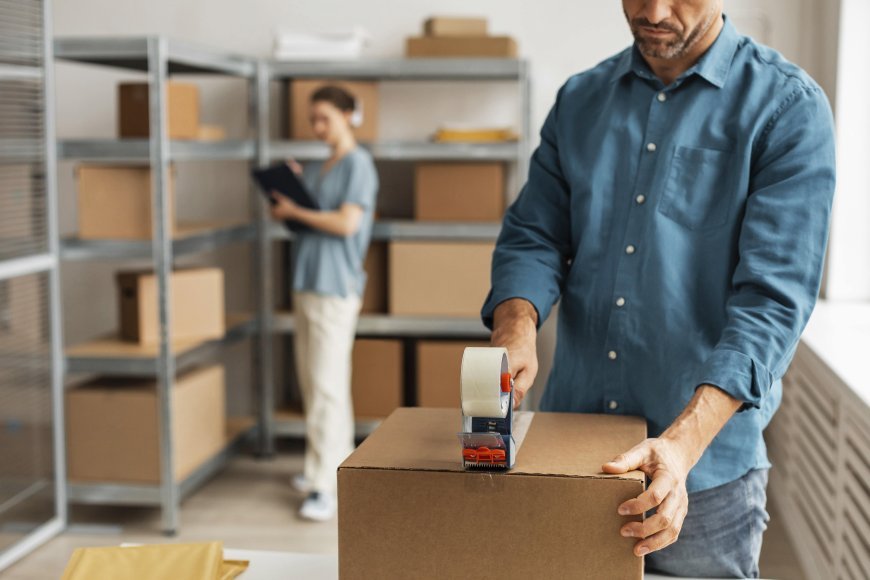
Packaging is often the first physical contact a customer has with your brand. Before they taste, wear or use your product, they see the box, feel the pouch or open the carton. Good packaging protects what is inside, tells your story on the shelf and makes the unboxing moment feel special. For growing brands, choosing the right format can feel overwhelming because there are so many materials, shapes and finishes to consider. Working with experienced packaging companies in UAE makes the process easier, and many brands now also explore flexible packaging companies in uae for lightweight, space-saving options. This guide breaks down the key decisions in simple steps so you can choose packaging that works for your product, your customers and your budget.
Start With What Your Product Needs
Before thinking about colours and logos, think about the product itself. Packaging has a practical job to do, and that job depends on what you are selling.
Size and Shape
Measure your product carefully, including any inserts, leaflets or accessories that go inside. Packaging that is too large wastes material and allows the product to move around. Packaging that is too tight can damage the product or make it hard to open.
Weight
Heavier products need stronger materials. A glass bottle or metal tool needs sturdier packaging than a silk scarf or a pack of greeting cards.
Fragility
Delicate items such as cosmetics in glass jars, electronics or ceramics need inserts or cushioning to keep them safe during shipping and handling.
Shelf Life and Protection
Food, cosmetics and pharmaceutical products may need protection from moisture, air, light or heat. The right barrier materials keep products fresh and safe for longer.
Understand the Main Packaging Types
There are three broad packaging categories, and most products fit into one of them.
Primary Packaging
This is the packaging that touches the product directly, such as a jar, bottle, pouch or wrapper. It keeps the product safe and often carries essential information like ingredients and usage instructions.
Secondary Packaging
This is the outer packaging that holds the primary pack, such as a printed carton or gift box. It is usually where most of the branding happens and what customers see on the shelf.
Shipping Packaging
This is the packaging used to transport products, such as corrugated shipping boxes. Its main job is protection during delivery, although many brands now print these too for a better unboxing experience.
Popular Packaging Formats
Each format has its own strengths. Here are the most common options.
Folding Cartons
Folding cartons are made from paperboard and are used for cosmetics, food, pharmaceuticals and small electronics. They are lightweight, easy to print and fold flat for storage.
Rigid Boxes
Rigid boxes are strong, premium boxes that do not fold flat. They are popular for luxury goods, perfumes, watches, jewellery and gift sets. They feel substantial and create a memorable unboxing moment.
Corrugated Boxes
Corrugated boxes have a fluted middle layer that gives strength and cushioning. They are ideal for shipping and for heavier products. Printed corrugated mailer boxes are popular with online brands.
Flexible Pouches and Bags
Stand-up pouches, flat pouches, sachets and bags are made from films, foils or paper laminates. They are lightweight, use less material and are widely used for snacks, coffee, pet food, powders and personal care products.
Paper Bags
Printed paper bags are used by retail stores, bakeries and restaurants. They are simple, practical and easy to brand.
Choosing the Right Material
Materials affect how your packaging looks, feels, protects and impacts the environment.
Paperboard and Cardboard
These are versatile, recyclable and easy to print. They suit cartons, boxes and sleeves for a wide range of products.
Kraft Paper
Kraft paper has a natural brown look that many eco-conscious brands love. It is strong and recyclable and gives a simple, honest feel.
Plastic Films and Laminates
Films and laminates offer excellent barrier protection against moisture and air. They are common in flexible packaging for food and personal care.
Specialty and Sustainable Materials
Compostable films, recycled boards and plant-based materials are growing in popularity. Ask about availability, cost and how well they suit your product before committing.
Designing Packaging That Sells
Once the structure and material are chosen, design brings the packaging to life.
Keep It Clear
Customers should understand what your product is and why they should choose it within a few seconds. Use a clear product name, a simple benefit statement and strong brand colours.
Create a Visual Hierarchy
Decide what customers should notice first, second and third. Usually this is the brand name, then the product name, then key benefits or flavours.
Include Essential Information
Depending on your product, packaging may need ingredients, usage instructions, weight, expiry dates, batch numbers, barcodes and contact details. Check the rules for your product category and market.
Think About the Shelf
Look at how your packaging will sit next to competitors. A bold colour, unusual shape or clean minimal design can help it stand out in a crowded aisle.
Consider Both Languages
For products sold across the region, packaging often includes both English and Arabic. Plan space for both from the start so the design does not feel crowded.
Finishes That Add Value
Finishing touches can make packaging feel premium without changing its structure.
-
Matte or gloss lamination for protection and visual appeal
-
Spot UV to highlight logos or product names
-
Foil stamping in gold, silver or custom colours
-
Embossing or debossing for a tactile effect
-
Window cut-outs so customers can see the product inside
Choose finishes that support your brand story. A natural skincare brand may prefer uncoated kraft with a simple foil logo, while a luxury fragrance may use soft-touch lamination with gold foil.
Balancing Cost and Quality
Packaging costs depend on material, size, printing, finishing and quantity. A few simple steps help keep costs under control.
Standardise Sizes
Using the same box size for several products reduces tooling and printing costs. You can change labels or sleeves to show different variants.
Order Sensible Quantities
Unit prices usually fall as quantities rise, but ordering too much ties up cash and storage space. Find a quantity that balances price with how quickly you sell.
Prioritise What Customers See
Spend more on the parts of the packaging customers notice most, such as the front panel or the lid, and keep other areas simpler.
Many packaging companies in uae can suggest cost-saving options, such as switching from a rigid box to a well-designed folding carton with a premium finish.
Why Flexible Packaging Is Growing
Flexible packaging has become one of the fastest-growing formats for good reason. Pouches and sachets use less material than rigid containers, weigh less to ship and take up less space in storage. Features like resealable zips, tear notches and spouts make them convenient for customers. High-quality printing on films and laminates also makes them eye-catching on the shelf.
Brands selling snacks, coffee, spices, pet food and personal care products often find that working with flexible packaging companies in UAE helps them reduce costs while keeping products fresh and attractive.
Thinking About Sustainability
Customers increasingly notice how much packaging a product uses and whether it can be recycled. Choosing responsible packaging is good for the planet and good for your brand image.
Use Less Material
Right-sizing your packaging is the simplest way to cut waste. A box that fits the product closely uses less board, needs less filler and costs less to ship.
Choose Recyclable or Recycled Materials
Paperboard, kraft paper and corrugated board are widely recyclable. Many are also available with recycled content. For films, ask about mono-material options that are easier to recycle than mixed laminates.
Avoid Unnecessary Extras
Extra plastic windows, heavy coatings and excess filler can make packaging harder to recycle. Keep only the features that truly add value.
Tell Customers What to Do
A small recycling note on the packaging helps customers dispose of it correctly and shows that your brand cares.
Planning Your Timeline
Packaging projects take longer than many brands expect. Structural design, sampling, artwork approval, printing, finishing and delivery all take time. For a new packaging range, allow several weeks from first brief to finished stock. Custom rigid boxes and special finishes may need longer.
Share your launch date with your supplier at the very beginning. Reliable packaging companies in uae will build a realistic schedule, flag steps that could cause delays and suggest ways to speed things up if your deadline is tight.
For pouches and sachets, timelines can also depend on the printing method and whether custom cylinders or plates are needed. Speaking early with flexible packaging companies in uae helps you understand minimum order quantities and lead times before you finalise your launch plan.
Testing Before You Commit
Never approve a large packaging order without testing a sample first.
Request a Physical Prototype
A prototype shows you the real size, feel and strength of the packaging. Place your product inside and check the fit.
Test Shipping and Handling
Send a sample through your normal delivery process. Check for dents, scuffs or damage when it arrives.
Check Colour and Print Quality
Compare printed colours with your brand guidelines. Look closely at small text, barcodes and fine details.
Get Customer Feedback
If possible, show samples to a few customers and ask for honest opinions. Their reactions can reveal issues you had not noticed.
Final Thoughts
The right packaging protects your product, communicates your brand and gives customers a reason to choose you over the competition. By starting with your product's needs, understanding the main formats and materials, designing with clarity and testing samples before large orders, you can create packaging that works hard for your business. Experienced packaging companies in uae can guide you through structure, printing and finishing choices, while flexible packaging companies in uae offer lightweight, modern solutions that suit many fast-moving products. With the right partner and a clear plan, your packaging can become one of your strongest marketing tools.
What's Your Reaction?
 Like
0
Like
0
 Dislike
0
Dislike
0
 Love
0
Love
0
 Funny
0
Funny
0
 Angry
0
Angry
0
 Sad
0
Sad
0
 Wow
0
Wow
0