


























How Do Structural Steel Manufacturers Support India's Metro Expansion?
Learn how structural steel manufacturers support metro expansion through quality steel, fabrication and reliable supply.
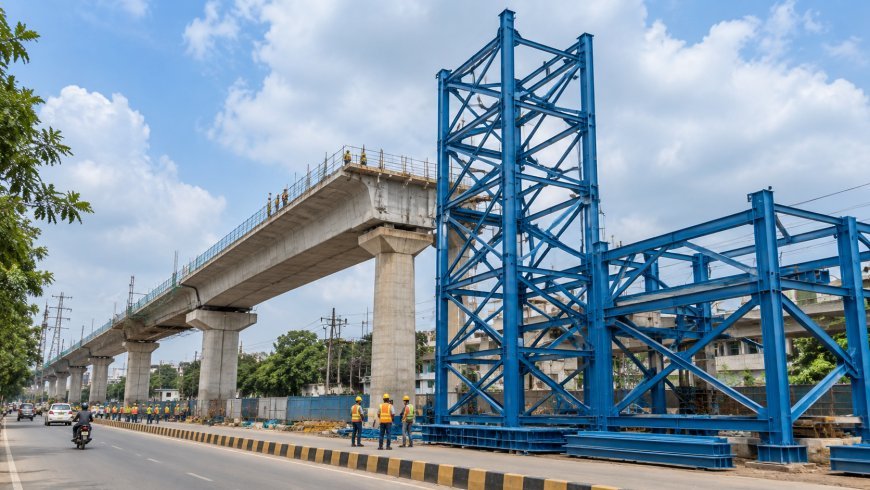
On November 11, 2026, the Union Cabinet approved an 8.449-km extension of Noida Metro's Aqua Line which will add five elevated stations. The announcement highlights the scale of India's urban transport network is growing and the complex construction needed for each new metro line.
Building a metro system is about more than just tracks and concrete viaducts. Station roofs, access points, equipment platforms, and maintenance areas often need custom steel parts. Structural steel manufacturers are key in providing these sections to fit engineering plans, fabrication needs, and project timelines.
Why Does Metro Expansion Require Careful Steel Selection?
Metro construction sites combine civil structures, architectural features, and mechanical systems, often in tight city spaces. If materials arrive with the wrong size or grade, it can cause problems during fabrication and installation.
Structural steel manufacturers help by providing sections that meet exact specifications and have reliable material quality. Still, it is up to qualified designers to choose the right sections. Decisions about steel grades, loads, connections, and exposure must be made before ordering materials.
Which Structural Steel Products Are Used in Metro Projects?
Different steel sections serve different functions, depending on the approved design.
● Beams: Used in suitable station roof frames, floor supports, and other engineered members where bending resistance is required.
● Channels: Common in secondary frames, equipment supports, platforms, and connection assemblies.
● Angles: Useful for trusses, bracing, access frameworks, and smaller fabricated supports.
● Flats: Used in brackets, straps, and fabricated connection details where the specified dimensions are appropriate.
These steel sections are also used in warehouses, factories, commercial buildings, and utility structures. Since not all manufacturers make every type of section, procurement teams should review the available product range before placing an order.
How Do Manufacturers and Fabricators Work Together?
Manufacturers provide rolled steel sections in specific grades and dimensions. A steel structure fabrication company converts those materials into project-specific components through cutting, drilling, welding, bolting, and assembling them.
If a steel structure company handles a bigger part of the project, it may take care of design reviews, buying materials, fabrication, transport, and installation. It is important to agree on these roles early instead of assuming one supplier will handle everything.
For example, a station canopy might need several parts with bolt holes in precise locations. Even small measurement errors can cause issues when the parts arrive at the site. Using approved drawings, proper welding methods, and regular inspections helps keep everything on track.
What Standards and Quality Records Should Buyers Verify?
When choosing structural steel manufacturers, it is better to check if they meet the project’s design requirements instead of relying on general claims about strength.
In India, IS 2062 covers hot-rolled structural steel material requirements, while IS 808 provides dimensional references for relevant rolled sections. IS 800 addresses general steel construction design. The applicable editions, approved drawings, and project specifications govern the final requirements.
Before accepting steel, buyers should check the grade, section size and tolerances, mechanical properties, and test certificates. Tracking material identification and batches helps fabricators match deliveries with orders and inspection records.
A visually straight beam does not establish its grade or load capacity. Documentation matters as much as appearance.
How Can Better Supply Coordination Prevent Delays?
Consistent material quality makes cutting, drilling, and fitting parts more predictable. If section sizes are wrong or replacements arrive late, it can disrupt fabrication and delay installation.
For metro projects with tight deadlines, procurement schedules should match the approved drawings and the fabricator’s production plan. Getting steel delivered on time also helps prevent delays between different stages of fabrication.
Each delivery batch should be labeled with its section, grade, and destination. Steel should be stored on supports, kept dry, and checked for any damage during handling.
Preparing the steel surface and applying protective coatings are important, especially for station roofs and outdoor structures. The chosen corrosion protection should suit the site conditions and expected maintenance needs.
Structural Steel vs TMT Bars: Why Does the Difference Matter?
Metro infrastructure often uses both reinforced concrete and fabricated steel, but each serves a different engineering purpose.
A TMT bar company in India supplies reinforcement bars used in concrete foundations, columns, piers, and other reinforced concrete elements. Structural sections, by contrast, form steel frames, supports, and assemblies where required by design.
So, when buyers compare steel structure manufacturers, they should not treat reinforcement bars and rolled sections as the same. Each type needs its own set of specifications, inspections, and approvals.
A Practical Procurement Checklist
Before finalising structural steel manufacturers, confirm:
● Material grade, section designation, size, and length
● Applicable standards, tolerances, and design requirements
● Test certificates, identification, and traceability
● Fabrication compatibility, weldability, and connection details
● Coating, storage, and handling arrangements
● Supplier capacity, phased delivery, and replacement procedures
Make sure to agree on these details before looking at prices. A cheaper per-tonne rate is not helpful if it leads to extra work that could have been avoided.
Conclusion
India’s metro growth relies on good coordination between design, fabrication, and on-site work. Choosing dependable structural steel manufacturers helps teams get the right materials, check quality, and keep installation on track with approved plans.
Kamdhenu offers a wide range of structural steel, including angles, channels, beams, and flats. Our premium range conforms to IS 2062 and with E250, E275, and E300 as our primary grades.
Are you planning a metro-related, commercial, or industrial steel project? Explore Kamdhenu's structural steel range and contact its team of experts with your drawings, section schedule, and delivery requirements to discuss suitable products and request a quotation.
FAQs
1. How can structural steel manufacturers help prevent delays in metro projects?
Consistent material quality, accurate dimensions, and timely deliveries help reduce fabrication errors, rework, and installation delays.
2. Why can't all structural steel sections be used interchangeably?
Beams, channels, and angles have different structural properties and must be selected according to engineering loads and design specifications.
3. What is the biggest mistake when choosing structural steel manufacturers?
Selecting suppliers based only on price without verifying material grades, dimensional tolerances, quality documentation, and delivery capabilities.
What's Your Reaction?
 Like
0
 Dislike
0
 Love
0
 Funny
0
 Angry
0
 Sad
0
 Wow
0