
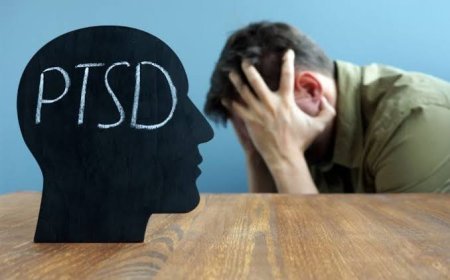





















How PTSD Affects Daily Life? Complete Guide
How PTSD affects daily life complete guide covering symptoms, emotional impact, relationships, work, and coping strategies. Learn how expert care can help you.

Traumatic experiences can leave emotional effects long after an event has ended. At Premier Pain Centers & Premier Psychiatry in Ennis, TX, Dr. Mayur Patel psychiatrist services provide access to professional psychiatric evaluation and mental health care for individuals experiencing emotional and psychological challenges that affect their everyday lives.
How PTSD Affects Daily Life and Emotional Well Being?
Post-traumatic stress disorder (PTSD) is a mental health condition that can develop after experiencing or witnessing a frightening, dangerous, or deeply distressing event. It can affect thoughts, emotions, sleep, behaviour, and relationships. Although some people recover naturally after trauma, others continue experiencing symptoms that interfere with their daily responsibilities.
PTSD symptoms in daily life can appear in different ways. A person may experience unwanted memories, nightmares, sudden fear, irritability, or difficulty concentrating. Even ordinary situations may become stressful when they remind someone of a traumatic experience. Understanding these changes is an important step toward recognising when professional mental health support may be needed.
How Trauma Changes Everyday Activities?
Living with PTSD can make simple daily activities feel challenging. A person who previously enjoyed driving, shopping, socialising, or visiting familiar places may begin avoiding these activities because they trigger uncomfortable memories or fear.
Sleep problems can also affect daily routines. Nightmares and repeated waking may leave someone tired during the day, making it harder to concentrate, complete work, or manage household responsibilities. These experiences can gradually affect confidence and independence.
Recognising Changes in Emotional Health
PTSD can influence how a person responds to everyday situations. Some individuals become easily startled, while others feel emotionally distant or struggle to express their feelings. Anger, guilt, fear, and sadness may also occur.
These reactions are not signs of weakness. They can be part of the body’s response to trauma. A mental health professional can help determine whether these symptoms are related to PTSD or another condition.
Common PTSD Symptoms That Can Disrupt Daily Routines
PTSD symptoms are generally grouped into four categories: intrusive memories, avoidance, negative changes in thoughts and mood, and changes in physical and emotional reactions. Not everyone experiences the same symptoms, and their intensity can vary over time.
Intrusive Memories and Flashbacks
Some people repeatedly remember a traumatic event even when they do not want to think about it. These memories may appear during the day, through nightmares, or when something reminds them of the experience.
Flashbacks can make a person feel as though the event is happening again. Certain sounds, smells, locations, or conversations may trigger these reactions and cause sudden fear or anxiety.
Avoidance and Social Withdrawal
Avoidance is another common symptom. Individuals may stay away from places, people, conversations, or activities connected to their traumatic experience. Although avoiding triggers may provide temporary relief, it can gradually limit everyday activities.
Some people also withdraw from friends and family members. They may find it difficult to explain their feelings or participate in social situations that once felt comfortable.
Sleep Problems and Increased Alertness
People with PTSD may remain unusually alert, even when they are in a safe environment. They may constantly watch for possible danger, become easily startled, or struggle to relax.
Sleep disturbances can include nightmares, difficulty falling asleep, and frequent waking. Poor sleep may contribute to daytime fatigue, irritability, and reduced concentration.
Effects of PTSD on Mental Health and Relationships
The effects of PTSD on mental health can extend beyond the original traumatic experience. Ongoing fear, emotional changes, and unwanted memories may affect self-confidence and the ability to maintain a sense of safety. Some individuals also experience depression or anxiety alongside PTSD.
Emotional and Psychological Challenges
PTSD may cause persistent feelings of guilt, shame, sadness, or anger. Some individuals blame themselves for what happened, even when they were not responsible for the traumatic event. Others may lose interest in activities they previously enjoyed.
These emotional changes can make it difficult to maintain a positive outlook. Professional assessment can help identify the symptoms and determine if additional mental health conditions are present.
How PTSD Affects Relationships?
How PTSD Affects Relationships is an important concern for individuals and their families. Emotional withdrawal, irritability, difficulty trusting others, and avoidance of social situations may create misunderstandings between partners, relatives, and friends.
A person with PTSD may struggle to communicate their feelings or respond calmly during stressful conversations. Loved ones may not understand why certain situations cause strong emotional reactions.
Living with Post Traumatic Stress Disorder
Living with post traumatic stress disorder can require adjustments to daily routines, personal relationships, and emotional habits. Recovery does not always happen quickly, and symptoms may change depending on stress levels, personal circumstances, and treatment response.
Developing Healthy Daily Habits
Maintaining a consistent routine can help individuals manage some everyday challenges. Regular sleep schedules, physical activity, balanced meals, and time spent with supportive people may contribute to better overall well-being.
Relaxation activities, breathing exercises, and mindfulness may also help some individuals manage stress. These habits are supportive measures and should not replace professional PTSD treatment.
Understanding Personal Triggers
A trigger is something that reminds a person of a traumatic experience and causes an emotional or physical reaction. Triggers may include certain sounds, places, dates, conversations, or unexpected situations.
Recognising common triggers can help individuals prepare for challenging situations. A mental health professional can also teach practical coping techniques to manage these reactions safely.
PTSD Treatment in Ennis TX and Available Care Options
Professional treatment can help individuals manage PTSD symptoms and improve their ability to participate in everyday life. PTSD Treatment in Ennis TX may involve working with qualified mental health professionals who can assess symptoms and discuss appropriate care options. Treatment depends on the individual’s medical history, symptom severity, and personal needs.
Trauma Focused Psychotherapy
Trauma-focused psychotherapy is commonly recommended for PTSD. It helps individuals understand traumatic experiences, recognise unhelpful thought patterns, and develop healthier ways to respond to difficult memories. Common approaches include:
Cognitive Processing Therapy
Cognitive Processing Therapy (CPT) helps individuals examine thoughts and beliefs connected to trauma. It may help reduce feelings of guilt, blame, and fear associated with the experience.
Prolonged Exposure Therapy
Prolonged Exposure therapy helps individuals gradually face trauma-related memories and situations in a safe, structured setting. The goal is to reduce avoidance and improve the ability to manage fear.
Eye Movement Desensitization and Reprocessing
EMDR is a structured therapy that uses guided eye movements or other forms of bilateral stimulation while a person processes traumatic memories. A trained therapist can determine if this approach is appropriate.
Psychiatric Evaluation and Medication Management
A psychiatric evaluation helps identify PTSD symptoms and other conditions that may occur alongside trauma-related difficulties. A psychiatrist may review medical history, sleep patterns, mood changes, and previous treatment experiences.
Medication may be considered to manage certain symptoms, depending on the patient’s needs. Treatment decisions should be made with a qualified healthcare provider, with regular follow-up to monitor progress.
Finding a Psychiatric Clinic in Ennis
Choosing a suitable psychiatric clinic in Ennis can help individuals access professional guidance for mental health concerns. Patients should consider the provider’s qualifications, experience, available services, and approach to psychiatric care. At Premier Pain Centers & Premier Psychiatry, Dr. Mayur Patel psychiatrist services include psychiatric evaluations and medication management, with advanced mental health treatment options available for eligible patients.
The Ennis clinic is located at 2200 Physicians Boulevard, Suite B1, Ennis, TX 75119. Its location provides access to psychiatric services for residents of Ennis and surrounding communities, including Palmer, Garrett, Alma, Bardwell, and Rice. Individuals from these nearby areas can contact the clinic to ask about appointment availability, psychiatric evaluations, and appropriate treatment options.
Conclusion
PTSD can affect many parts of life, from sleep and concentration to emotional health and personal relationships. However, recognising symptoms and seeking professional guidance can help individuals understand their experiences and explore effective treatment options. At Premier Pain Centers & Premier Psychiatry in Ennis, TX, Dr. Mayur Patel Psychiatrist services provide psychiatric evaluation and medication management based on individual needs. Contact Premier Psychiatry to discuss available services and book an appointment. Taking the first step toward professional support can help you work toward better emotional health and a more manageable daily routine.
Frequently Asked Questions
1. What are the common symptoms of PTSD in daily life?
Common symptoms include flashbacks, nightmares, unwanted memories, avoidance of certain situations, irritability, sleep problems, and difficulty concentrating. These symptoms can affect work, relationships, and everyday activities.
2. Can PTSD affect personal and family relationships?
Yes. PTSD may cause emotional withdrawal, difficulty trusting others, irritability, and communication problems. These changes can create challenges in relationships, but professional treatment and family support may help improve communication.
3. When should someone seek PTSD treatment in Ennis, TX?
Consider professional help when trauma-related symptoms continue, become difficult to manage, or interfere with sleep, work, relationships, and daily responsibilities. A mental health professional can evaluate symptoms and discuss treatment options.
4. Can PTSD be treated with medication?
Yes. Certain medications may help manage PTSD symptoms, including anxiety, low mood, and sleep-related problems. A qualified healthcare provider can determine if medication is appropriate and monitor its effects.
5. Where can I find psychiatric care near Ennis, TX?
Premier Pain Centers & Premier Psychiatry is located at 2200 Physicians Boulevard, Suite B1, Ennis, TX 75119. Patients can contact the clinic to ask about psychiatric evaluations and available mental health services.
What's Your Reaction?
 Like
0
 Dislike
0
 Love
0
 Funny
0
 Angry
0
 Sad
0
 Wow
0