
























Shed Removal in Gulfport, MS: Planning the Removal of an Aging Backyard Structure
Plan shed removal in Gulfport, MS with practical steps for access, preparation, teardown, weather, hauling, cleanup, and choosing a contractor.
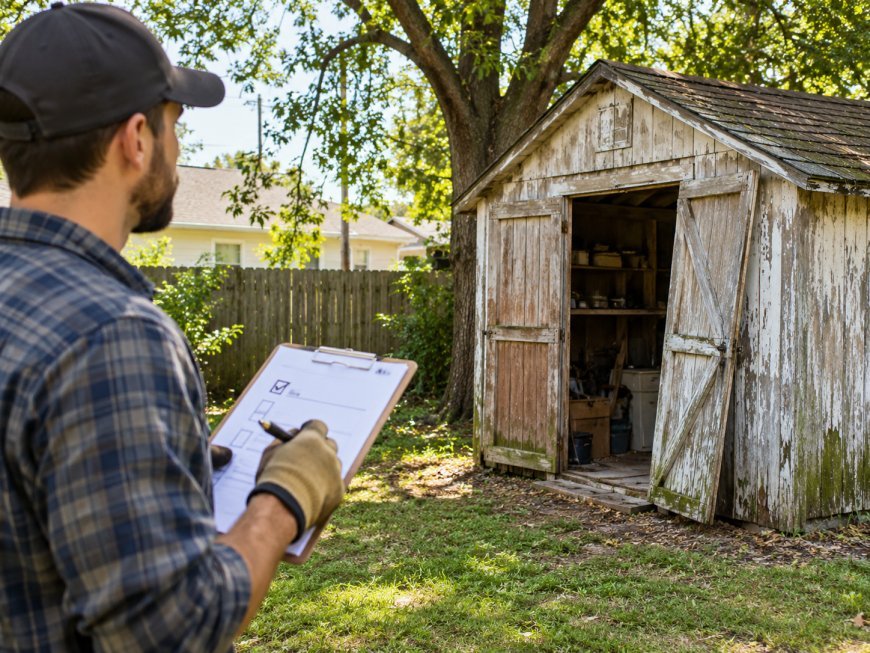
Clutter Control Junk Removal and Demo tears down and hauls away aging backyard sheds, and a good removal plan always covers the same steps before work starts: how the shed will be disconnected, broken down, carried out, hauled away, and left safe. Shed removal is the controlled teardown and disposal of an unwanted structure, not dragging the building toward the driveway.
A solid plan accounts for the gate, the ground, the shed base, the building materials, nearby property, and final cleanup. Those details change the job far more than a quick look at the shed's outside dimensions.
What Access Decides Before the Work Starts
Access usually shapes the plan before the shed itself does. A narrow gate, soft ground, a fence corner, or a parked car changes how panels leave the yard and where debris can be staged. A clear route keeps the teardown controlled, while a blocked one adds hand carrying and extra handling.
Narrow gates and soft ground are real factors, not minor inconveniences. A 6x8 shed may fit through a gate yet fail at the corner because its longest wall cannot pivot. Measure the tightest turn, note steps or slopes, and pick a spot where a truck or trailer can stop without blocking a shared drive.
Wired lighting changes the first step. A shed connected to household power needs disconnection by a licensed electrician before dismantling, and irrigation lines or low cables deserve the same warning. A simple storage shed with no utilities has fewer dependencies, so the visit can focus on safe breakdown and hauling.
Prepare for Backyard Shed Removal
Good preparation means clearing personal items, marking anything that stays, and opening the route without taking apart the wrong feature. Emptying the shed first keeps hidden tools, fuel cans, or wet cardboard from slowing the load.
Before the appointment, follow this sequence:
-
Remove belongings and separate anything you plan to keep.
-
Tell the provider about wiring, plumbing, propane cylinders, paint, pesticides, or unknown containers.
-
Unlock or open the planned route, including any side gate.
-
Photograph the shed, base, fence line, and nearby items so the agreed scope is easy to check.
Stored items often hide floor rot, rodent nests, or waterlogged cardboard along the walls. Photos also show whether a fence panel, garden bed, or AC unit must stay untouched. Rental properties need the owner's approval before anything fixed to the ground is removed, even when the shed looks abandoned.
What Happens During a Shed Teardown
For homeowners planning shed removal in Gulfport, MS, a planned teardown moves in a set order: loose contents, then doors and windows, then structural sections, with the floor or base last. That order changes for a leaning structure or one bolted to concrete.
Roof sheets look light but catch wind and flex at the edges, so they come down with care on breezy coastal days. Wall panels may be fastened from the inside, and floor sections can stay attached to a frame after the walls are gone. Controlled disassembly keeps nails, screws, glass, and roofing scraps from spreading across the yard.
Loose debris is loaded as sections come down instead of being left in a growing pile. Wood, metal, plastic, and cardboard may need separate handling depending on condition and local facility rules. A slab, pier, or buried post is a separate question, so the written scope should say exactly what happens below the shed.
Weather and Materials That Slow the Job
Weather and building materials change both timing and handling. Wet soil makes wheelbarrows and trucks harder to position, and wind affects loose roofing and wall panels. A good plan checks the forecast and the materials, not just the size.
After rain, tire ruts become a real concern, especially along a fence or across a lawn. Dry weather does not solve everything either, because brittle siding and rusted fasteners break differently than sound wood. Wet cardboard and soaked plywood also add weight to the load.
Older panels deserve a pause when their makeup is uncertain. Do not cut, break, or mix suspected hazardous material with ordinary debris; describe what you see and get the right assessment. Local rules and facility acceptance vary, so a trustworthy answer names the limit instead of promising a routine haul-away.
Judge a Shed Removal Quote by Its Scope
A useful quote describes the work, not just the shed size. It should name dismantling, loading, and haul-away, with sweeping, access limits, and exclusions listed separately. An unclear low quote is not a fair comparison.
Ask any contractor what happens to the base and the debris, and what would change the written scope. A good answer covers the base, disposal limits, and access assumptions before a date is set. Concrete pads often take longer to break up and load than a small wood shed above them, so silence about the floor is a warning sign.
The same goes for a shed built against a fence or attached to a lean-to. Professional shed demolition services should separate the structure from the base in the quote, so you can compare providers without guessing what the final sweep includes or whether hazardous materials are excluded.
Check the Yard After Shed Hauling
Cleanup is complete when the yard is safe and usable, not when the last wall comes down. A finished job removes loose fasteners, roofing scraps, and glass from the work path, and any remaining pad stays only as agreed.
Loose nails collect beside fence posts and in the grass at the edge of the route, where a quick glance misses them. Walk the path before the crew leaves and check the gate, fence, remaining base, and swept area.
Not every old shed needs to go. Repairing a door or roof, or finding the structure a new use, makes more sense when there is no safety issue and you still need storage. If the only problem is clutter inside, sorting the contents solves it with far less disruption.
Get Help Planning Your Shed Removal
Have the property owner confirm access, utility status, and the plan for the base before the appointment. Note a locked gate, a shared driveway, or a shed close to a fence ahead of time, since those details shape the work area more than the floor size. Then call (228) 234-5023 to review the structure and what belongs in the scope.
Questions About Removing an Aging Backyard Shed
Can I Remove a Shed Myself?
A small, empty, unpowered shed on level ground can be a DIY job if you have safe access and a legal disposal plan. Hire help when panels are rotten, the roof shifts, glass is present, or wiring runs into the structure.
How Long Does an Aging Shed Removal Take?
A small, accessible shed without a concrete base often takes part of a day. A large structure, blocked route, or attached lean-to adds time.
Do I Need Permission to Remove a Backyard Shed?
Rules vary by city, structure size, utility connections, and whether the base stays. Check with the local building office and the property owner before scheduling.
What Happens to the Shed Materials?
Wood and metal are often handled separately from mixed trash, and reuse or recycling depends on condition and the receiving facility. Ask what gets separated and where it goes.
Can Shed Removal Happen After Rain?
Light rain does not always stop the job, but saturated soil, standing water, lightning, or strong wind can make carrying and loading unsafe. Rescheduling protects the yard from deep ruts.
What's Your Reaction?
 Like
0
 Dislike
0
 Love
0
 Funny
0
 Angry
0
 Sad
0
 Wow
0