






















uPVC Windows: The Complete Guide to Bay and Bow Window Styles
Explore uPVC windows and bay and bow window styles for South London homes. Energy-efficient, low maintenance, FENSA registered. Glitz Windows & Doors.

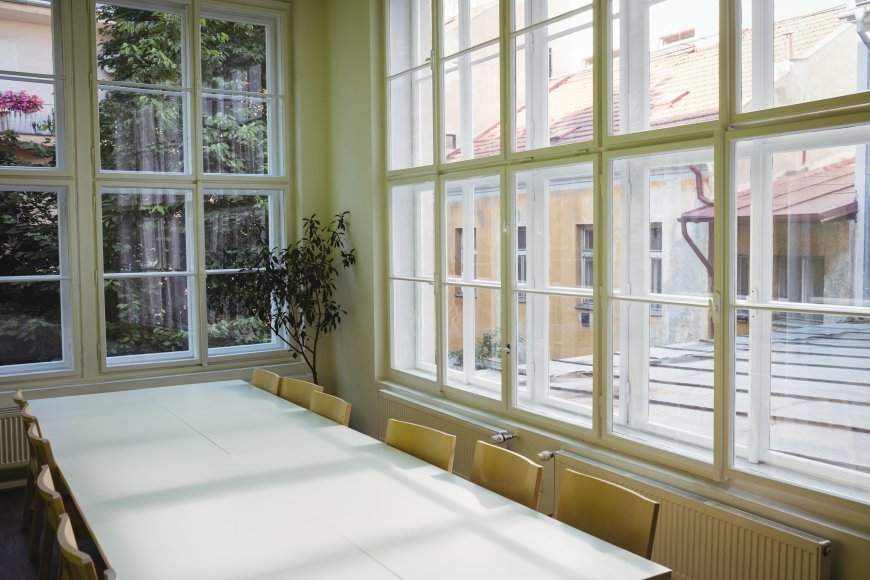
uPVC Windows remain the most popular window choice for homeowners across Coulsdon, Croydon, and wider Surrey—and for good reason. They combine excellent thermal performance, minimal maintenance, and genuine affordability. But within the uPVC category, the style you choose shapes everything: how much light enters your rooms, how much space you gain, and how your home looks from the street. At Glitz Windows & Doors, we've spent over 25 years fitting uPVC windows across South London, and two styles consistently transform properties more than any other: bay and bow windows.
This guide explains what makes uPVC so effective, how bay and bow designs work, and how to choose the right configuration for your home.
Why uPVC Windows Dominate UK Homes
uPVC—unplasticised polyvinyl chloride—is a rigid, durable material that doesn't rot, corrode, or need repainting. Its rise to dominance from the 1980s onwards replaced draughty single-glazed timber frames with sealed, insulated units that cut heating bills and noise levels dramatically.
Thermal Efficiency That Shows on Your Bills
Modern uPVC frames are multi-chambered, meaning the profile contains internal air pockets that trap heat and slow conduction. Combined with A-rated double glazing, this delivers strong thermal performance that keeps warmth in during winter and out during summer. For homeowners in Greater London and Surrey, where energy costs remain a real concern, this translates into meaningful savings year after year.
Low Maintenance, Long Service
Unlike timber, uPVC won't warp, swell, or need sanding and repainting. A simple wipe with warm soapy water keeps frames looking fresh. Quality uPVC windows typically serve for 20 to 25 years before seals and hardware begin to need attention—a solid, dependable lifespan for the price point.
Security as Standard
Modern uPVC windows feature multi-point locking systems with shoot-bolt espagnolettes. When paired with laminated or toughened glass, they meet the security requirements of Part Q of the Building Regulations—something our FENSA-registered installers ensure on every project.
Bay and Bow Windows: Expanding Space and Light
If you want more than a like-for-like replacement, bay and bow windows are the most impactful upgrade available in the uPVC range. Both project outward from the property's façade, but they achieve different effects.
Bay Windows: The Classic Projection
A bay window is typically made up of three panels—a wide central window parallel to the wall, flanked by two angled side windows at roughly 30 or 45 degrees. This configuration creates a natural alcove inside the room.
The benefits of bay windows:
-
Extra floor space: The internal recess creates a usable alcove—ideal for a window seat, a reading nook, or a dining table.
-
More natural light: Three glazed panels admit considerably more daylight than a flat window of the same wall opening.
-
Enhanced kerb appeal: Bay windows add architectural interest and depth to a façade, particularly on Victorian and Edwardian terraces common across Croydon and South Norwood.
-
Improved views: Angled side panels widen the field of vision, letting you see up and down the street.
Bow Windows: The Gentle Curve
A bow window uses four or more panels arranged in a gentle arc rather than sharp angles. The effect is softer and more contemporary than a traditional bay.
The benefits of bow windows:
-
A smoother, more elegant profile: The curved arrangement suits both period and modern properties without the sharper geometry of a bay.
-
Even light distribution: Multiple panels spread daylight more evenly across the room.
-
Wider panoramic views: The arc creates a broader sightline than a three-panel bay.
-
Flexible sizing: Bow windows can span wider openings, making them ideal for larger living rooms and reception spaces.
Which Suits Your Property?
As a rough guide: bay windows suit period terraces and semis where the street scene already features projecting bays, while bow windows work beautifully on wider frontages and modern homes where a softer curve complements the architecture. During our free survey, we assess your property's proportions, the existing street scene, and your interior layout before recommending a configuration.
uPVC vs. Aluminium for Bay and Bow Windows
Bay and bow windows place structural demands on frames—the projections carry more weight and face greater wind loading than flat windows. This is where material choice matters.
uPVC is the more affordable option and performs well in standard bay configurations. Reinforcement within the frame handles typical spans comfortably, and the thermal performance is excellent.
Aluminium offers greater strength for very wide or unusually shaped projections, and its slim sightlines maximise the glass area—an advantage when the whole point of a bay or bow is light and view.
For most homeowners, uPVC delivers the better balance of cost and performance for bay and bow installations. Where a projection is exceptionally wide or the design calls for maximum glass, we'll advise on aluminium as the stronger engineering choice.
Signs Your Existing Windows Need Replacing
If you're considering an upgrade, watch for these warning signs on your current frames:
1. Condensation Between the Panes
The definitive sign that a sealed glass unit has failed. The frame may still be sound, but the unit needs replacing—and on older windows, full replacement is often the smarter investment.
2. Draughts and Cold Spots
Cold air near a closed window means seals or gaskets have deteriorated. Persistent draughts in older frames usually signal it's time for an upgrade.
3. Difficulty Opening or Closing
Sticking or dragging windows indicate hardware wear or frame misalignment. Recurring problems point to the mechanism reaching the end of its life.
4. Discolouration or Warping
uPVC yellows over years of UV exposure, and cheaper frames can warp. Once a frame has warped, it cannot be restored.
5. Visible Frame Damage
Cracks or structural damage compromise security and energy efficiency. Replacement is the safer route.
The Glitz Windows & Doors Advantage
Installation quality determines how well any window performs—and bay and bow windows, with their structural demands, reward careful fitting. At Glitz Windows & Doors, every project is handled by our own FENSA-registered team, with no subcontractors. All installations comply with Part L (thermal performance) and Part Q (security) of the Building Regulations, and every job is backed by our 10-year guarantee.
We supply and fit uPVC windows in casement, sash, tilt-and-turn, bay, and bow configurations, alongside our aluminium range and composite doors. Based in Coulsdon, we serve Croydon, Sutton, Caterham, Epsom, Crawley, and surrounding areas—with no call centres, just direct contact with our team.
Visit us: 53 Chipstead Valley Rd, Coulsdon CR5 2RB
Call: 02033707955
Email: info@glitzwindows.co.uk
Conclusion
uPVC Windows deliver the combination most homeowners actually want: reliable thermal performance, low maintenance, strong security, and fair pricing. Within that range, bay and bow windows offer the biggest transformation—adding internal space, flooding rooms with light, and elevating your home's kerb appeal.
If you're unsure whether a bay, bow, or flat configuration suits your property, or if you've spotted the warning signs that your current windows are failing, get in touch. Glitz Windows & Doors offers free, no-obligation surveys and honest advice tailored to your home.
Frequently Asked Questions
Are uPVC bay and bow windows energy efficient?
Yes. Modern multi-chambered uPVC frames paired with A-rated double glazing deliver strong thermal performance. Bay and bow windows have a larger glazed area than flat windows, so specifying quality glazing matters—our survey will advise on the right glass specification for your projection.
What's the difference between a bay window and a bow window?
A bay window typically uses three panels with angled sides projecting from the wall, creating a defined alcove. A bow window uses four or more panels in a gentle arc, creating a softer, wider curve. Bays suit period terraces; bows suit wider frontages and modern homes.
Do bay and bow windows add value to a property?
They add usable internal space, improve natural light, and enhance kerb appeal—all factors buyers notice. Combined with the improved EPC rating that new A-rated windows deliver, they're a genuine selling point.
How long does installation take?
Most standard window replacements are completed in a single day. Bay and bow installations—which involve structural projection and often a new roof section—typically take one to two days per window. We provide a clear timeline before work begins.
Do I need planning permission for a bay or bow window?
Replacing an existing bay or bow window like-for-like generally falls under Permitted Development. Creating a new projection may require permission, and conservation areas have additional restrictions. We advise during your free survey.
How long do uPVC windows last?
Quality uPVC windows typically last 20 to 25 years before seals and hardware require attention. Our installations are backed by a 10-year manufacturer guarantee.
Are your installations FENSA registered?
Yes. All installations are carried out by FENSA-registered fitters and comply with current UK Building Regulations, including Part L and Part Q. You'll receive a FENSA certificate on completion—required for conveyancing when selling your home.
What's Your Reaction?
 Like
0
 Dislike
0
 Love
0
 Funny
0
 Angry
0
 Sad
0
 Wow
0