





















What to Expect During a Professional Pest Control Inspection at Your Home
Preparing the property, sharing accurate observations, and following professional recommendations can make the process more effective. Whether the concern involves rodents, insects, or suspected mites, proper identification and preventive planning are important steps toward maintaining a cleaner and more comfortable home.
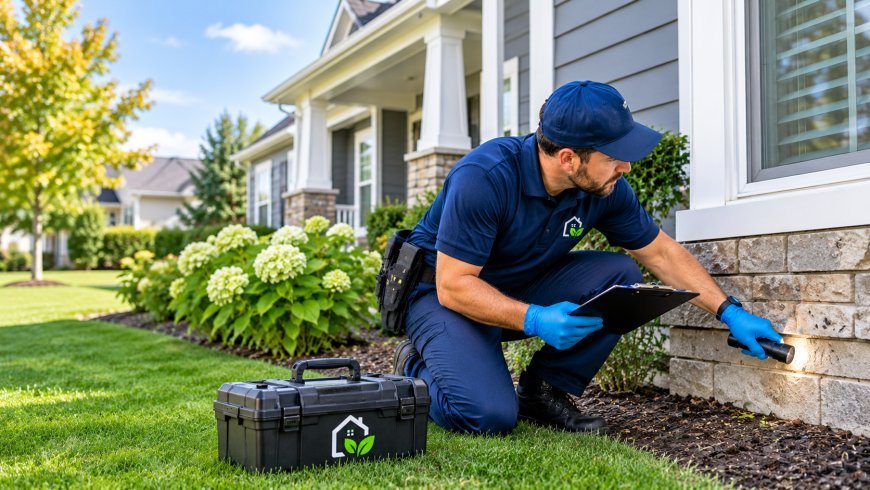
Discovering insects, rodents, or unusual pest activity inside a home can raise concerns about property damage, cleanliness, and household comfort. However, identifying the source of a pest problem is not always straightforward. Some insects remain hidden behind walls, inside storage areas, or around plumbing fixtures. A professional pest control inspection helps homeowners understand what is happening and which preventive or treatment measures may be appropriate.
A thorough inspection also helps distinguish between similar-looking pests. For example, mites can be difficult to identify without examining their appearance and surrounding conditions. While commercial mite control is particularly relevant to businesses and larger facilities, accurate mite identification and professional pest assessment are equally important when unusual mite activity is suspected in residential environments.
Understanding what happens during an inspection helps homeowners prepare for the visit, communicate their concerns, and make informed decisions about pest management.
Why a Professional Pest Control Inspection Matters
A pest inspection is more than a quick examination of visible insects. It involves checking the property for signs of infestation, identifying potential entry points, and evaluating conditions that may attract pests.
Professional inspections provide several benefits:
-
Early identification: Detecting pest activity before populations become established.
-
Accurate diagnosis: Identifying the pest species instead of relying on assumptions.
-
Source investigation: Finding possible nesting, feeding, and breeding locations.
-
Property protection: Identifying conditions that may contribute to damage.
-
Preventive recommendations: Understanding how to reduce the likelihood of future infestations.
An inspection also helps determine whether treatment is necessary or whether improvements to sanitation, moisture control, and exclusion may be sufficient.
What Happens During a Pest Control Inspection?
Although inspection procedures vary according to the property and suspected pest, most professional visits follow a systematic process.
1. Initial Discussion With the Homeowner
The technician usually begins by asking questions about the pest problem. This conversation helps establish when the activity started, where pests have been observed, and whether previous control methods have been attempted.
Homeowners may be asked:
-
Which pests have you noticed?
-
Where have you seen them?
-
How long has the problem continued?
-
Have you noticed droppings, damaged materials, or unusual odors?
-
Have you previously used pest control products?
-
Are there children, pets, or sensitive areas that require special consideration?
Providing accurate information helps the technician focus on the most relevant areas.
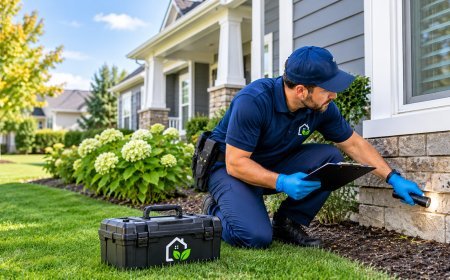
2. Exterior Property Inspection
Many pest problems begin outside a building. During the exterior assessment, technicians examine areas that may allow pests to enter or find shelter.
Common inspection points include:
-
Foundation cracks and structural gaps
-
Door and window seals
-
Utility pipe openings
-
Roofline gaps and damaged vents
-
Garage doors and surrounding spaces
-
Outdoor waste storage areas
-
Standing water and drainage problems
-
Vegetation touching exterior walls
These conditions may attract insects and rodents or provide convenient access to indoor spaces.
3. Interior Room-by-Room Inspection
After examining the exterior, technicians inspect relevant indoor areas. The exact locations depend on the reported pest activity.
For example, a suspected cockroach problem may require attention to kitchen cabinets and plumbing areas, while a rodent inspection may focus on basements, attics, and storage spaces.
Technicians may use flashlights, inspection mirrors, monitoring devices, or other suitable tools to examine difficult-to-reach locations.
4. Pest Identification and Activity Assessment
Correct pest identification is essential for selecting an appropriate management strategy. Different insects can have similar appearances, and treating the wrong species may fail to resolve the underlying issue.
For example, mite-related concerns may involve bird mites, clover mites, or other small arthropods. A technician may examine their appearance, location, and surrounding environmental conditions before recommending further action.
In facilities requiring commercial mite control, accurate identification is particularly important because pest activity may affect storage areas, workplaces, inventory, or occupied spaces.
Common Areas Technicians Inspect
Professional inspections generally focus on locations where pests can find food, water, shelter, or suitable breeding conditions.
|
Home Area |
What Technicians Look For |
Common Pest Concerns |
|
Kitchen |
Food debris, droppings, hidden activity |
Ants and cockroaches |
|
Bathroom |
Leaks, moisture, insects |
Silverfish and moisture-associated pests |
|
Basement |
Gaps, dampness, nesting evidence |
Rodents and insects |
|
Attic |
Droppings, nesting materials, entry gaps |
Mice and other rodents |
|
Bedrooms |
Insects, shed skins, damaged fabrics |
Bed bugs and moths |
|
Closets |
Larvae, webbing, fabric damage |
Clothes moths |
|
Garage |
Door gaps, stored materials, nesting signs |
Rodents and spiders |
|
Exterior |
Foundation openings and vegetation |
Ants, ticks, and other outdoor pests |
Not every inspection includes every location. The technician should explain which areas were examined and whether any spaces could not be accessed.
What Signs of Pest Activity Do Professionals Look For?
Pests often leave evidence even when live insects or rodents are not visible. Professionals look for different indicators depending on the suspected species.
Droppings and Other Waste
Rodent droppings and insect waste can indicate activity in storage spaces, kitchens, and hidden corners. Their location and appearance may help technicians narrow down the possible pest source.
Gnaw Marks and Property Damage
Chewed packaging, damaged wood, and gnaw marks around pipes or structural openings may indicate rodent activity.
Eggs, Larvae, and Shed Skins
Some insects leave behind eggs, larvae, or shed exoskeletons. These signs can help identify breeding or development areas.
Nests and Hiding Places
Rodents and certain insects use secluded spaces for shelter. Technicians may inspect insulation, wall gaps, storage materials, and areas behind appliances.
Moisture and Structural Conditions
Leaking plumbing, poor ventilation, standing water, and damaged seals can create conditions that support pest activity.
Identifying these contributing factors is important because treating visible pests without correcting the underlying conditions may allow infestations to return.
What Happens After the Inspection?
Once the examination is complete, the technician should explain the findings and discuss appropriate next steps.
Review of Inspection Findings
The homeowner should receive an explanation of:
-
Which pests were identified, if any.
-
Where evidence of activity was discovered.
-
Whether the infestation appears active or requires further investigation.
-
Which structural or environmental conditions may contribute to the problem.
-
Which areas need additional attention.
Recommended Pest Management Plan
Depending on the findings, the technician may recommend one or more of the following:
-
Targeted pest treatment.
-
Sealing cracks and other entry points.
-
Improving food storage and sanitation.
-
Repairing leaks and reducing moisture.
-
Installing monitoring devices.
-
Scheduling follow-up inspections.
Integrated pest management (IPM) combines inspection, monitoring, prevention, and carefully selected treatments to address pest problems more systematically.
Written Service Information
Homeowners should ask for documentation explaining the inspection findings, recommended actions, treatment details when applicable, and any follow-up requirements.
If pesticides are recommended, the technician should explain the products being used, label-related precautions, and any preparation or re-entry instructions.
How to Prepare Your Home for an Inspection
A little preparation can make the inspection more productive.
Before the technician arrives:
-
Make a note of where and when you have seen pests.
-
Keep photographs of unusual insects or visible damage.
-
Provide information about previous treatments.
-
Make relevant storage and utility areas accessible.
-
Mention plumbing leaks or moisture problems.
-
Secure pets when necessary.
-
Follow any preparation instructions provided by the pest control company.
Homeowners do not need to identify the pest themselves. Their observations simply help professionals investigate the problem more efficiently.
Frequently Asked Questions
1. How long does a professional pest control inspection take?
The duration depends on property size, accessibility, and the type of pest being investigated.
2. Does a pest inspection always include treatment?
No. An inspection identifies pest activity and risk conditions. Treatment is recommended when the findings indicate it is appropriate.
3. Which areas of a home are most important to inspect?
Kitchens, bathrooms, basements, attics, garages, and storage areas are common inspection priorities.
4. Can technicians identify mites during a pest inspection?
They may identify certain mites or recommend additional examination when species identification requires closer analysis.
5. Should homeowners leave during a pest inspection?
A standard inspection generally does not require homeowners to leave. However, separate precautions may apply if treatment is performed.
6. Why is a follow-up inspection sometimes necessary?
Follow-up visits help assess pest activity, check monitoring devices, and determine whether additional preventive or treatment measures are needed.
Conclusion
A professional pest control inspection gives homeowners a clearer understanding of pest activity and the conditions that may contribute to infestations. From examining exterior entry points to checking indoor hiding places, each stage helps technicians develop a more informed pest management strategy.
Preparing the property, sharing accurate observations, and following professional recommendations can make the process more effective. Whether the concern involves rodents, insects, or suspected mites, proper identification and preventive planning are important steps toward maintaining a cleaner and more comfortable home.
What's Your Reaction?
 Like
0
 Dislike
0
 Love
0
 Funny
0
 Angry
0
 Sad
0
 Wow
0