

























Gum Grafting in Islamabad: When Is Treatment Needed?
Explore when gum grafting may be needed in Islamabad, how dentists assess recession and what patients should know about treatment options.


Gum recession often develops gradually, making it easy to overlook until the teeth begin to look longer or feel sensitive. Some people notice a change around one tooth, while others experience recession across several areas of the mouth. Although mild recession does not always require surgery, progressive tissue loss deserves professional attention. Gum Grafting in Islamabad may be an appropriate option when a patient needs additional gum coverage or stronger soft tissue around exposed tooth roots. The decision depends on the cause of recession, the condition of the surrounding gums and the patient's oral health goals.
Understanding when treatment becomes necessary can help patients avoid unnecessary procedures while addressing problems that may become more difficult to manage over time. A periodontal examination helps determine whether the best approach involves preventive care, monitoring or surgical treatment.
Why Does Gum Recession Deserve Attention?
Gums protect the roots of teeth and form an important part of the supporting structures around them. When the gumline moves away from a tooth, part of its root may become exposed.
Root surfaces differ from the enamel-covered crowns of teeth. They are more vulnerable to certain types of damage and may react to temperature changes, sweet foods or touch.
Recession can also create spaces where plaque and food particles collect. These areas may become harder to clean, especially when the gumline has an uneven shape.
Not every recessed gumline represents an urgent problem. However, a dentist should assess changes in tissue position, particularly when recession progresses or causes discomfort.
Five Signs That You Should Arrange a Gum Assessment
The following changes may indicate that the gums need professional attention.
1. Your Teeth Appear Longer
When gum tissue recedes, more of the tooth becomes visible. This can create the appearance of longer teeth, even though the actual tooth structure has not changed.
A noticeable difference between neighbouring teeth may indicate uneven gum recession.
2. You Experience Sensitivity Near the Gumline
Exposed root surfaces can cause discomfort when you consume cold drinks, hot beverages or sweet foods. Some people also experience sensitivity while brushing.
Desensitising toothpaste may help manage mild symptoms, but persistent sensitivity requires an examination to identify its cause.
3. You Notice a Change in Gum Shape
Healthy gum tissue generally follows the natural contours around the teeth. Recession can create an uneven gumline or small areas where the root becomes visible.
These changes may affect the appearance of the smile, particularly around the front teeth.
4. Cleaning Certain Areas Becomes Difficult
Receded areas can create spaces that collect plaque. Patients may find it difficult to clean these areas comfortably without irritating the surrounding tissue.
A dentist can assess whether the problem relates to gum recession, tooth positioning, inflammation or another oral health concern.
5. Recession Continues to Progress
A gumline that keeps moving over time deserves attention. Progressive recession may expose more root surface and increase the risk of sensitivity or other complications.
Regular examinations help dentists compare tissue levels and determine whether the condition remains stable.
Does Every Case of Gum Recession Need a Gum Graft?
No. Gum grafting is not automatically necessary whenever a dentist identifies recession.
The treatment decision depends on the severity of the condition and the problems it creates. Some patients have mild recession that remains stable and causes no significant symptoms. In these cases, the dentist may recommend monitoring and improving oral hygiene habits.
Other patients may benefit from grafting because the exposed root creates persistent sensitivity, the gum tissue is particularly thin or the area needs additional protection.
The dentist may consider surgery when:
-
Recession continues despite improved oral hygiene.
-
Exposed roots create ongoing discomfort.
-
Thin gum tissue needs additional thickness.
-
The affected area is difficult to maintain.
-
The patient has a suitable clinical condition for grafting.
-
Gumline changes create a functional or aesthetic concern.
A careful examination helps avoid unnecessary surgery and establishes realistic treatment goals.
Understanding the Difference Between Stable and Progressive Recession
One important part of treatment planning involves determining whether gum recession is stable or progressing.
Stable Recession
Stable recession means the gumline has not changed significantly over the monitoring period. The patient may have an exposed root, but the condition does not appear to be advancing.
A dentist may recommend gentle brushing, professional cleaning and periodic measurements to monitor the area.
Progressive Recession
Progressive recession involves further movement of the gumline over time. It may expose additional root surface and increase the difficulty of maintaining the affected area.
The dentist investigates possible causes before recommending treatment. These may include aggressive brushing, periodontal disease, tooth position or local irritation.
Monitoring is important because a single examination may not reveal whether the recession has recently progressed.
How Dentists Decide Whether Gum Grafting Is Appropriate
A visible change in the gumline does not provide enough information to plan surgery. Dentists assess several clinical factors before recommending a graft.
Recession Measurements
The dentist measures how far the gum has moved from its expected position. They may also assess the width of the affected area.
These measurements help establish the extent of tissue loss and provide a reference for future examinations.
Gum Tissue Thickness
The thickness of existing tissue can influence the choice of procedure. Thin tissue may require a technique designed to increase its volume and stability.
Supporting Bone Condition
The bone around the teeth provides important support. The dentist may examine this structure to understand the periodontal condition and the limitations of possible treatment.
Tooth Alignment
A tooth positioned outside the normal dental arch may have a different gum support pattern. Its position can influence the expected outcome of root coverage.
Signs of Gum Disease
Inflammation, bleeding and periodontal pockets may indicate active gum disease. The dentist may recommend controlling these problems before considering grafting.
Patient Expectations
Some patients mainly want to reduce sensitivity, while others are concerned about the appearance of their gumline. Understanding these goals helps the dentist explain which improvements may be realistic.
Gum Grafting Techniques and Their Different Purposes
The dentist selects a grafting method according to the tissue defect and treatment objective.
Connective Tissue Graft
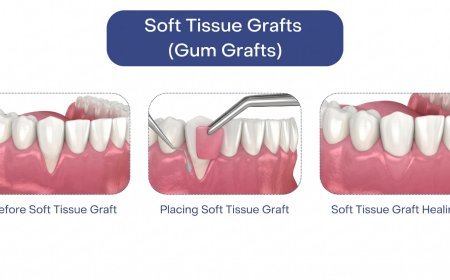
A connective tissue graft uses tissue from beneath the surface layer of the palate. The dentist positions it beneath the existing gum tissue to increase thickness and support root coverage where suitable.
This approach is commonly considered when treating recession around natural teeth.
Free Gingival Graft
A free gingival graft involves taking a small piece of tissue from the palate and placing it directly over the recipient area.
Dentists may consider this technique when increasing the amount of attached gum tissue is a priority.
Pedicle Graft
A pedicle graft uses tissue from the gum next to the recessed area. The dentist partially moves the tissue towards the affected tooth while maintaining its original blood supply.
This option requires sufficient neighbouring tissue.
Donor Tissue Graft
Processed donor tissue can serve as an alternative to harvesting tissue from the patient's palate. Its suitability depends on the defect, the treatment goals and the dentist's clinical judgement.
The dentist should explain the benefits, limitations and possible recovery considerations of each option.
What If You Delay Treatment?
Delaying treatment does not always lead to serious complications. Some cases of recession remain stable for a long time. However, ignoring progressive changes can allow the exposed root area to increase.
Possible concerns include:
Greater root exposure: Further recession may expose additional root surface.
Persistent sensitivity: Temperature-related discomfort may continue or become more noticeable.
Root surface damage: Exposed roots may be more vulnerable to decay because they do not have enamel protection.
Cleaning difficulties: Irregular gum contours may make plaque removal more challenging.
Changes in smile appearance: Uneven gum levels can become more noticeable, particularly around visible teeth.
The purpose of an early assessment is not to recommend surgery immediately. It is to understand the condition and decide whether monitoring or treatment offers the better approach.
Can Non-Surgical Care Control Gum Recession?
Non-surgical care can help manage contributing factors and protect the remaining gum tissue. However, it cannot normally rebuild gum tissue that has already been lost.
Depending on the cause, a dentist may recommend:
-
Switching to a soft-bristled toothbrush.
-
Learning a gentle brushing technique.
-
Receiving professional plaque removal.
-
Treating active periodontal inflammation.
-
Using desensitising toothpaste.
-
Improving cleaning between teeth.
-
Avoiding tobacco products.
-
Attending regular periodontal examinations.
These measures may be sufficient for some patients with mild or stable recession.
If the patient needs additional tissue coverage or thickness, the dentist may discuss gum grafting as a surgical option.
What Should You Expect Before and During Surgery?
Once the dentist determines that grafting is appropriate, they explain the selected technique and prepare the patient for the procedure.
Before surgery, the dental professional may review medical history, medications, allergies and previous dental treatment. They may also recommend managing existing inflammation before proceeding.
Gum grafting usually takes place under local anaesthesia. The dentist numbs the treatment area and collects graft tissue if required. The tissue is then positioned around the affected area and secured with sutures.
Some procedures involve a donor site on the palate, while others use tissue from an adjacent gum area or a suitable donor material.
Patients should ask about the expected duration, anaesthesia, recovery restrictions and follow-up schedule before giving consent.
Recovery: How to Protect the Treated Area
The graft needs time to heal and integrate with the surrounding tissue. Patients should avoid disturbing the surgical site during this period.
During the First Few Days
Tenderness, swelling and some discomfort may occur. The dentist may recommend suitable medication and instructions for managing the area.
Patients should eat soft foods and avoid chewing directly over the graft.
During the First Weeks
The dentist may temporarily restrict brushing and flossing around the treated area. Patients should follow the recommended cleaning method and avoid pulling their lips or cheeks to inspect the graft.
They should also avoid smoking and tobacco products because these can interfere with healing.
During Later Healing
The tissue continues to mature over the following weeks and months. Follow-up examinations allow the dentist to assess the result and decide when normal cleaning can resume.
Complete root coverage is not guaranteed, and the final appearance may vary depending on the original condition and the technique used.
Gum Grafting Cost in Islamabad: What Should Patients Consider?
The cost of gum grafting depends on the treatment plan rather than one fixed rate for every patient. The number of affected teeth, the selected technique and the complexity of the recession all influence the overall fee.
Patients researching Gum Grafting cost should consider these factors:
-
Number of graft sites: Treating several areas may require more time and materials.
-
Type of graft: Different techniques involve different surgical steps.
-
Source of tissue: The use of the patient's own tissue or donor material can affect treatment requirements.
-
Severity of recession: Extensive defects may require more complex planning.
-
Additional procedures: Periodontal treatment or diagnostic assessments may be necessary before surgery.
-
Follow-up care: Post-operative examinations form part of the overall treatment process.
A personalised assessment is the most reliable way to understand the expected cost and treatment requirements.
How to Reduce the Risk of Further Gum Recession
Gum grafting does not eliminate every cause of recession. Patients should continue protecting their gum health after treatment.
A consistent routine can include:
-
Brush twice daily using a soft-bristled toothbrush.
-
Apply gentle pressure rather than scrubbing the gumline.
-
Clean between teeth using suitable interdental tools.
-
Follow professional cleaning recommendations.
-
Avoid tobacco products.
-
Seek treatment for bleeding or inflamed gums.
-
Attend regular dental examinations.
Patients should also discuss any repeated irritation around dental restorations or orthodontic appliances with their dentist.
Getting Professional Advice in Islamabad
People who notice exposed roots, changing gum levels or persistent sensitivity should seek a dental examination. A professional assessment can identify the likely cause of recession and help determine whether the condition needs monitoring or treatment.
Dental Clinic Islamabad is a point of contact for general dental consultation and guidance about oral health concerns. Patients can discuss their symptoms and ask about the appropriate next steps for further evaluation.
Treatment decisions should depend on the patient's clinical findings rather than the appearance of the gumline alone.
Conclusion
Knowing when to consider gum grafting can help patients make better decisions about receding gums. Mild and stable recession may only require preventive care and regular monitoring, while progressive tissue loss or persistent symptoms may justify a more detailed periodontal assessment.
Gum grafting can increase tissue thickness and improve root coverage in suitable cases, but the outcome depends on individual anatomy, gum health and the selected technique. Early evaluation, realistic expectations and consistent oral hygiene remain important parts of protecting the gums.
Frequently Asked Questions
1. How do I know if my gum recession is getting worse?
Changes in tooth appearance, increasing root exposure and new sensitivity may indicate progression. A dentist can compare gum measurements over time to confirm whether recession is advancing.
2. Can I leave receding gums untreated?
Some mild cases can be monitored without surgery. However, progressive recession should be assessed because it may increase root exposure and cleaning difficulties.
3. Is gum grafting necessary for one receding tooth?
Not always. The decision depends on the depth of recession, tissue thickness, symptoms and the condition of the surrounding gums.
4. Can gum grafting improve an uneven smile?
It may improve gumline appearance when recession creates uneven tissue levels. The degree of improvement depends on the clinical condition and the achievable amount of root coverage.
5. Does gum grafting stop tooth sensitivity?
It may reduce sensitivity when exposed roots contribute to the problem. However, sensitivity can have other causes, so the dentist should identify the source before recommending treatment.
6. Can gum grafting be performed on multiple teeth?
Yes, treatment may involve more than one tooth. The dentist decides whether to treat several areas together or divide the procedure into stages.
7. Is gum grafting suitable for older adults?
Age alone does not determine suitability. Gum health, general health, healing factors and the condition of the affected teeth are more important considerations.
8. Can I prevent gum recession after treatment?
You can reduce contributing risks through gentle brushing, good oral hygiene, tobacco avoidance and regular dental maintenance. However, no routine can guarantee that recession will never occur again.
What's Your Reaction?
 Like
0
 Dislike
0
 Love
0
 Funny
0
 Angry
0
 Sad
0
 Wow
0