
















How 3D Scanning NYC Studios Capture Digital Doubles for Film Production
Learn how 3D scanning NYC studios build digital doubles for film using photogrammetry and lidar. See the process, deliverables, and how to plan a scan day.

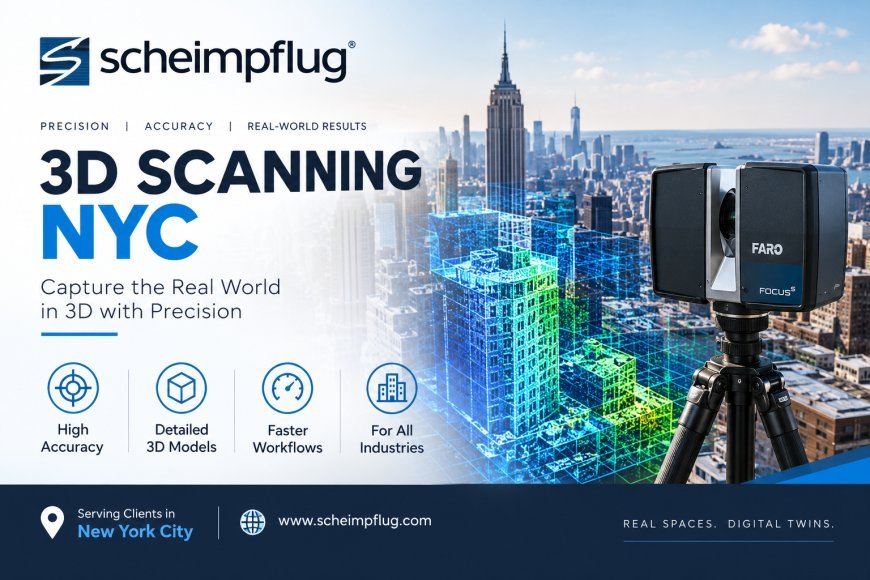
3D Scanning NYC studios give film productions a precise way to record real people and real places as digital data. Visual effects teams use this data to build a digital double of an actor. A digital double is a computer model that matches the look and proportions of the performer. It can be used for stunts or crowd work or any shot where the real actor cannot be filmed. Scans are also made of props and sets so that artists have accurate references. This article explains how a scan session works and what a production receives afterward. It also covers how to plan a scan day so that time on set is used well.
What Is a Digital Double?
A digital double is a three dimensional model of a real person. It includes the shape of the body and the face and the fine detail of the skin. It also includes color information so the model looks the same as the actor under film lighting.
The model is built from scan data rather than sculpted from a photograph. This matters because a scan records real proportions. The distance between the eyes and the curve of a shoulder and the texture of a cheek all come from the actor. Artists then prepare the model for animation and rendering.
Digital doubles are used in many kinds of projects. Feature films and series use them for action scenes. Commercials use them for product shots that need a person in an impossible setting. Video game studios use them to create realistic characters. The same capture method serves all of these uses.
Why Productions Use Digital Doubles
There are practical reasons to build a digital double. Some are about safety and some are about schedule and some are about creative freedom.
-
Stunts and dangerous action. A digital double can fall or fly or survive an explosion without putting the actor at risk.
-
Reshoots and schedule gaps. If an actor is unavailable a digital double can fill a short shot during post production.
-
Crowd work. A small number of scanned people can be varied and repeated to fill a large scene.
-
Age changes. Scans can serve as a base for digital aging or for making an actor look younger.
-
Impossible camera moves. A digital double allows a camera to travel in ways that a real set cannot support.
A digital double does not replace the actor. The performance still comes from the person on set. The scan simply gives the visual effects team a reliable model to work from when the real actor cannot be present.
How Photogrammetry Captures a Person
Most digital doubles begin with photogrammetry. This method uses many photographs taken at the same moment from many angles. Software compares the images and finds matching points across them. From those points it calculates the three dimensional position of each surface detail.
The key is simultaneous capture. A person cannot hold perfectly still for long. If photographs are taken one after another the subject moves slightly and the data becomes inconsistent. A rig with many cameras that fire at once avoids this problem. The whole capture takes a fraction of a second.
Studios that offer 3D body and head scanning NYC productions rely on typically use two kinds of capture. A head scan records the face in very high detail. This includes pores and fine lines and the shape of the ears and the hairline. A full body scan records posture and proportions and the way clothing sits on the figure. Many productions request both so that the head and body can be combined into one complete model.
Scheimpflug operates a photogrammetry studio in Manhattan for this work. The studio provides high resolution scanning for films and commercials and video games.
Preparing an Actor for a Scan Session
Good preparation makes the scan faster and the data cleaner. Most of it is simple and can be handled in a short conversation before the day.
Wardrobe. Actors should wear fitted clothing that shows the shape of the body. Loose or shiny fabric can hide proportions or confuse the software. If a digital double needs to wear a costume the costume can be scanned separately or captured on the actor in a second pass.
Hair and makeup. For a head scan hair is often pulled back so that the skull and ears are fully visible. A hair cap may be used. Makeup is usually kept minimal because heavy makeup changes how skin reflects light.
Jewelry and accessories. Glasses and earrings and necklaces are removed. Reflective items create errors in the data.
Communication. The scan team should know how the digital double will be used. A model for a distant stunt shot needs less facial detail than one for a close up. Knowing the purpose helps the team decide how many expressions and poses to capture.
What Happens During the Scan
A scan session is usually short. A single actor can often be captured in a fraction of a working day. The exact length depends on how many poses and expressions are required.
The actor steps into the capture space and the team checks lighting and exposure. Even and controlled light is important because it keeps shadows from being recorded as part of the surface. Many studios use polarized lighting to reduce reflections on the skin. This lets the software read the true surface instead of a shiny highlight.
For a body scan the actor usually holds a neutral standing pose. Common choices are an A pose with the arms slightly away from the body or a T pose with the arms extended. These poses make it easier for artists to rig the model later.
For a head scan the actor is photographed in a neutral expression first. The team then captures a set of expressions. These may include a smile and a frown and a raised brow and a wide open mouth. Each expression gives animators a reference for how the face moves. Some sessions also record the mouth shapes used in speech.
After each pose the team reviews the images to confirm that the capture is clean. If something is wrong the pose is repeated right away. This check is one of the main reasons to scan with a team that is used to the process.
From Raw Photos to Usable Assets
Capture is only the first stage. The raw photographs must be processed before artists can use them.
The software first aligns the images and builds a dense point cloud. It then converts the points into a mesh. A mesh is a surface made of many small polygons. The first mesh is very dense and often has small errors. Technicians clean these errors and fill any gaps.
Next the team creates texture maps. These maps carry the color of the skin and the fine surface detail. Common deliverables include:
-
A high resolution mesh that holds the full scan detail.
-
A cleaned lower resolution mesh that is easier to animate and render.
-
Color texture maps that record the true skin tone and markings.
-
Normal and displacement maps that hold fine detail such as pores and wrinkles.
-
Expression scans that give animators a reference for facial movement.
The visual effects team receives these files and builds the final character. They add a skeleton and controls so the model can move. They also match the look to the lighting of each shot. A well captured scan saves significant time at this stage because the artists begin with accurate data.
Scanning Props and Objects
Digital doubles are not limited to people. Props and costume pieces are scanned for many of the same reasons.
A scanned prop can be placed into a digital scene so that it matches the real object seen in other shots. If a hero prop is damaged or must be destroyed on screen the scan allows the effects team to recreate it. Costumes and creature pieces can also be scanned to build exact digital copies.
Props are usually captured using the same photogrammetry method. The object sits on a stand or turntable and is photographed from every side. Smaller details may be captured in a second pass. The result is a textured model that can be used in animation or in game engines. Scanning props in the same visit as actors lets a production handle everything in one booking.
Lidar for Sets and Locations
Photogrammetry works well for people and objects. Large spaces call for a different tool. Lidar uses a laser to measure distance. The scanner sends out pulses of light and records how long each pulse takes to return. It repeats this millions of times and builds a point cloud of the space.
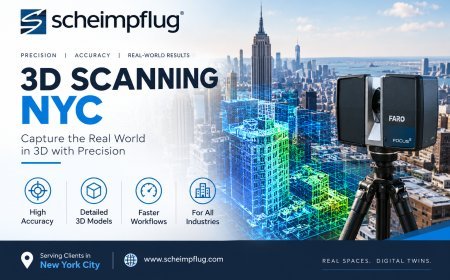
LiDAR scanning NYC productions request is often used to record a location before a shoot or before a set is struck. The scan captures walls and floors and ceilings and furniture. It also records the exact size of rooms and the position of windows and doors. The data is accurate to a very small margin.
This information helps in several ways. Visual effects teams can place digital elements into a real location with correct scale and perspective. Production designers can check whether a set will fit in a space. Art departments can rebuild a set that must be matched after it has been removed. The scan also serves as a permanent record if a location changes.
Lidar data is often paired with photographs. The photographs supply color and the point cloud supplies measurement. Together they give artists a full picture of the space.
Multi Camera Capture and Bullet Time
Some productions need more than a static model. Multi camera systems can capture a moment from many angles at once. This is often called bullet time. The camera view appears to move around a frozen or slowed subject.
These systems use the same principle as photogrammetry. Many cameras record at the same instant and the footage is combined. The result can be used for live events or commercials or music projects. It can also serve as a base for a three dimensional environment. Scheimpflug has described a project of this kind in its blog post on the Vimeo Reframe bullet time experience.
Planning a Scan Day for Your Production
A scan day works best when it is planned early. Several details affect how smoothly it runs.
Decide what you need. List which actors need body scans and which need head scans. Note any props or locations that should be recorded. If a location needs a lidar record ask for LiDAR scanning NYC crews to visit before the set is changed. A clear list lets the scan team estimate time and set up the right equipment.
Schedule around the actor. Scans can often be done during pre production when actors have more flexibility. If an actor is on a tight schedule tell the team in advance. A short session is possible when the plan is clear.
Confirm the final use. The intended shot affects how much detail is needed. A close up needs more detail than a wide stunt shot. Share this with the team so they can plan expressions and resolution.
Plan for the camera package. Reference footage and plates shot on set help visual effects artists match the digital double to the live action. A well matched camera package supports this work. Scheimpflug's Camera Rental In NYC department is located in Chelsea and offers cinema cameras and lenses and accessories for these shoots.
Coordinate the rest of the equipment. Scanning often sits next to a normal shoot. A production that needs lighting and grip and production gear can handle everything with one rental house. If you need to rent film equipment new york productions can place one order and arrange delivery across the city.
Keep the scans in order. Name files clearly and record which pose and expression each file belongs to. Good organization saves time when the data reaches the effects vendor.
Choosing a Scanning Partner in NYC
The quality of a digital double depends on the quality of the scan. When you compare studios there are a few points worth checking.
Look at the capture setup first. Ask how many cameras are used and whether capture is simultaneous. Ask about lighting control and how expressions are recorded. Review past work to see how it held up in finished projects. A studio that offers 3D body and head scanning NYC productions can book alongside prop and location scanning can handle a full project without splitting the work.
Support also matters. Some productions prefer to run their own scans. In that case equipment rental and training may be useful. Scheimpflug offers scanner rental along with training and support.
Finally consider location. A studio in Manhattan is convenient for productions that shoot in the city. Actors can be scanned close to set and files can move to the effects team quickly. For productions that need 3D Scanning NYC services a local studio also reduces travel and scheduling problems. It also helps when the same company can rent film equipment new york crews need for the rest of the shoot.
Conclusion
Digital doubles rely on accurate capture. Photogrammetry records the shape and surface of people and props. Lidar records the size and layout of sets and locations. Together these methods give visual effects teams reliable data to build from.
Good results come from clear planning. Know what you need and share how the data will be used and prepare actors for a clean capture. A team that understands both the scan and the film process can help at each step. Productions that need 3D Scanning NYC services can also arrange Camera Rental In NYC from the same company so the scan day and the shoot day stay connected.
Frequently Asked Questions
Q: What is a digital double in film production?
A: A digital double is a computer model of a real actor built from scan data. It matches the performer's proportions and skin detail. Visual effects teams use it for stunts and crowd scenes and shots where the real actor cannot appear on set.
Q: How long does a body or head scan take?
A: The capture itself takes a fraction of a second because many cameras fire at once. A full session with several poses and expressions usually takes part of a working day. The total time depends on how many poses and expressions the production needs.
Q: What should an actor wear to a scan session?
A: Actors should wear fitted clothing that shows the shape of the body. Avoid shiny fabric and jewelry and glasses. For head scans hair is usually pulled back. Minimal makeup works best because heavy makeup changes how skin reflects light.
Q: What is the difference between photogrammetry and lidar?
A: Photogrammetry builds models from many overlapping photographs and works well for people and objects. Lidar uses laser pulses to measure distance and works well for large spaces such as sets and locations. Productions often use both methods together.
Q: What files does a production receive after a scan?
A: A production usually receives a high resolution mesh and a cleaned lower resolution mesh. It also receives color texture maps and detail maps such as normal and displacement maps. Expression scans may be included so animators have facial references.
What's Your Reaction?
 Like
0
 Dislike
0
 Love
0
 Funny
0
 Angry
0
 Sad
0
 Wow
0