









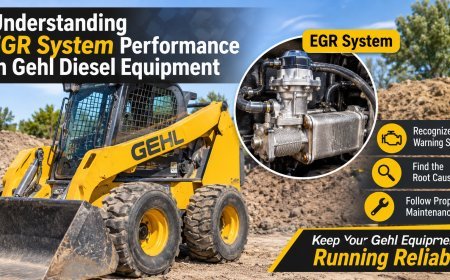















Understanding EGR System Performance in Gehl Diesel Equipment
EGR-related concerns can sometimes appear as reduced engine response, uneven idling, increased fuel consumption, or recurring warning indicators. However, these symptoms are not always caused by the EGR system alone. Understanding how the system works and identifying the actual source of a fault can help prevent unnecessary repairs.

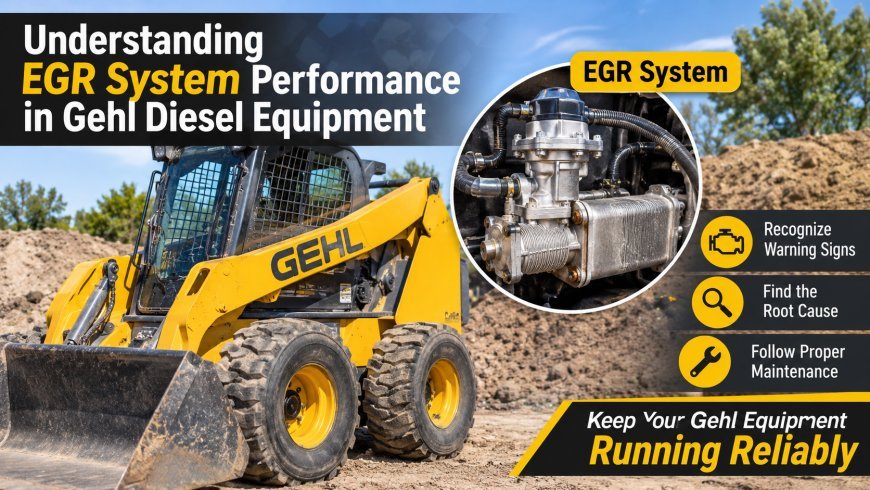
Gehl equipment is used in construction, agriculture, landscaping, and material-handling operations where dependable engine performance is essential. Whether a machine is handling materials on a busy jobsite or supporting daily farm activities, its engine needs to respond consistently to changing workloads. On models equipped with an exhaust gas recirculation (EGR) system, maintaining this component is an important part of engine and emissions-system care.
EGR-related concerns can sometimes appear as reduced engine response, uneven idling, increased fuel consumption, or recurring warning indicators. However, these symptoms are not always caused by the EGR system alone. Understanding how the system works and identifying the actual source of a fault can help prevent unnecessary repairs.
What Does the EGR System Do?
The exhaust gas recirculation system redirects a controlled amount of exhaust gas back into the engine's intake. This helps reduce combustion temperatures and control nitrogen oxide emissions.
Depending on the engine design, an EGR system may contain several connected components:
-
EGR valve to regulate exhaust gas flow
-
EGR cooler to reduce exhaust gas temperature, where fitted
-
Connecting passages and pipes
-
Temperature and pressure sensors
-
Electronic controls that manage valve operation
These components work together to maintain the intended exhaust gas flow under different operating conditions. Their design can vary between Gehl models and engine configurations.
Common Causes of EGR-Related Problems
EGR system problems can develop over time due to operating conditions, component wear, or a lack of maintenance. Some common contributing factors include:
1. Carbon and soot buildup
Exhaust gases contain particles that can gradually collect inside the EGR valve and connecting passages. Heavy deposits may restrict movement and affect the amount of exhaust gas being recirculated.
2. EGR valve malfunction
A sticking, worn, or electronically faulty valve may not respond correctly to engine control commands. This can disturb the expected flow and trigger diagnostic warnings.
3. Cooler restrictions
On engines equipped with an EGR cooler, deposits or cooling-system concerns may affect its operation. Inspection may be needed to determine whether the cooler is contributing to the fault.
4. Sensor and electrical issues
Damaged wiring, loose connectors, or inaccurate sensor readings can interfere with system monitoring. These problems may produce symptoms similar to a mechanical EGR failure.
5. Related engine conditions
Restricted air intake, fuel delivery problems, or other combustion-related issues can also affect engine performance. These should be considered during diagnosis rather than automatically blaming the EGR system.
Warning Signs Operators Should Recognize
Gehl operators may notice several changes when an EGR-related problem develops. Possible signs include:
-
Uneven or rough engine idling
-
Slower response during acceleration
-
Reduced engine power under load
-
Increased fuel consumption
-
Illuminated engine warning indicators
-
Recurring diagnostic trouble codes
These symptoms can also occur because of other engine faults. A dashboard warning alone is not enough to confirm that the EGR valve or cooler has failed.
Why Accurate EGR Diagnostics Matter
Replacing an EGR component without identifying the underlying cause can result in unnecessary expenses and recurring problems. A systematic inspection helps technicians understand whether the issue involves carbon deposits, valve operation, sensor readings, or another part of the engine.
A professional diagnostic assessment may include:
-
Reviewing fault codes: Stored diagnostic information can help identify the system reporting an issue.
-
Checking valve operation: Technicians can assess whether the EGR valve responds as expected.
-
Inspecting passages: Carbon accumulation or physical restrictions may need attention.
-
Evaluating sensor readings: Temperature and pressure information can help identify irregular operation.
-
Examining electrical connections: Wiring and connectors should be checked for damage or loose connections.
-
Assessing engine performance: Intake airflow and fuel-system condition can help rule out other possible causes.
This approach provides a more reliable basis for deciding which components require service.
Maintenance Practices for Better Engine Performance
Following the manufacturer's recommended maintenance schedule can help keep the EGR system and related engine components in suitable condition. Regular air-filter inspection, timely servicing, and attention to warning indicators are useful practices.
Operators should also avoid overlooking related engine problems. Fuel quality, intake restrictions, and combustion efficiency can influence exhaust conditions and contribute to recurring system concerns.
When an EGR warning continues to appear, professional inspection is preferable to repeatedly clearing fault messages without resolving their cause. Repairs should follow the equipment manufacturer's service guidance and preserve applicable emissions requirements. Disabling required emissions controls is not a substitute for proper maintenance.
Professional Support for Gehl Engine Concerns
Research into Gehl EGR delete often begins when equipment owners experience recurring engine warnings, reduced performance, or suspected EGR component problems. Before considering any modifications, it is important to confirm the engine configuration and identify whether the fault involves the valve, cooler, sensors, wiring, or another connected system.
Industrial Matrix Solutions provides information and support related to diesel engine diagnostics and programming for heavy-duty and off-highway equipment. Understanding the specific fault history can help guide informed decisions about maintenance and compliant repairs.
What's Your Reaction?
 Like
0
 Dislike
0
 Love
0
 Funny
0
 Angry
0
 Sad
0
 Wow
0