





























More Than Minding: How Everyday Care Shapes Learning From Birth to Five
Discover how everyday care shapes early learning from birth to five, supporting children's development through daily routines, interactions and play.

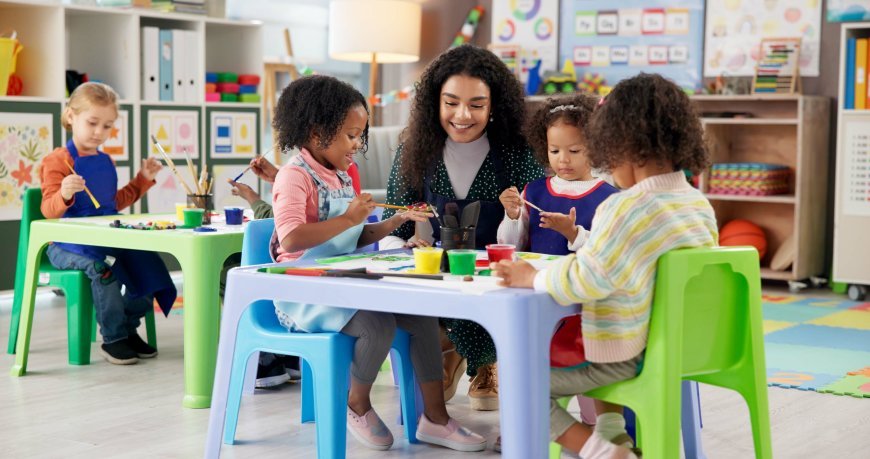
The first five years of life are a time of amazing growth. In this short window, a child's brain builds more connections than at any other stage. Every song, cuddle, story and game helps shape how they think, speak and feel. For working parents, choosing a nanny uae families trust is not just about having someone watch the children. It is about finding a partner in child care and development who can turn ordinary days into steady chances to learn and grow.
Why the Early Years Matter So Much
Experts often describe the early years as the foundation for everything that follows. Skills learned now, such as listening, sharing, solving small problems and managing emotions, support success at school and in life.
The Power of Everyday Moments
Learning in the early years does not need flashcards or expensive toys. It happens in simple moments:
-
Talking during nappy changes
-
Naming foods at mealtimes
-
Singing songs in the bath
-
Counting steps on the way to the park
-
Reading the same favourite book again and again
A carer who understands this can make every part of the day meaningful.
Key Areas of Development
Child development is usually grouped into a few main areas. A good carer supports all of them.
Physical Development
This covers both large movements, like crawling, walking and jumping, and small movements, like grasping, drawing and using a spoon. Tummy time for babies, climbing for toddlers and threading beads for preschoolers all build strength and control.
Language and Communication
Children learn to talk by listening. The more words they hear, the more they learn. Carers can narrate the day, ask simple questions, read aloud and give children time to answer.
Social and Emotional Growth
Learning to share, take turns, name feelings and calm down after being upset are big skills. Patient adults help children practise them every day.
Thinking and Problem Solving
Puzzles, sorting games, building blocks and simple "what happens next?" questions help children think, plan and test ideas.
Milestones by Age
Every child develops at their own pace, but these general milestones offer a helpful guide.
Birth to Twelve Months
Babies learn to lift their heads, roll, sit and often crawl. They smile, babble and respond to familiar voices. Simple games such as peekaboo help them understand that people and objects still exist when hidden.
One to Two Years
Toddlers start walking, say their first words and begin to follow simple instructions. They love to explore, copy adults and test limits. Safe spaces to move and plenty of talk are key.
Two to Three Years
Language grows quickly. Children begin to join words into short sentences, play pretend and show strong opinions. Routines and clear, kind limits help them feel secure.
Three to Five Years
Preschoolers ask endless questions, enjoy stories, draw simple pictures and make friends. They begin to understand rules, take turns and manage some feelings. This is a great time to build early reading and number skills through play.
How a Daily Carer Supports Growth
A carer who spends many hours a day with your child has a huge influence on their progress. Here is how a skilled nanny uae parents choose can help.
Building a Rich Routine
A good daily plan balances active play, quiet time, meals, rest and outings. Predictable routines help children feel safe, which frees their minds to learn.
Talking All Day Long
Simple chatter is one of the most powerful tools for learning. Describing what you are doing, asking open questions and listening closely all build language.
Reading Together
Even ten to fifteen minutes of reading each day makes a big difference. Picture books, rhymes and stories build vocabulary and a love of books.
Playing With Purpose
Play is how children learn. Building blocks teach balance and shapes. Pretend play builds imagination and social skills. Messy play with sand, water and paint builds senses and creativity.
Encouraging Independence
Letting children try things themselves, such as putting on shoes, pouring water or tidying toys, builds confidence and fine motor skills.
Language at Home in a Multilingual Country
Many families here speak two or more languages at home. Children are very good at learning more than one language when they hear each one often.
Tips for Multilingual Homes
-
Agree on which language each adult will use with the child
-
Keep using the home language even if the child replies in another
-
Share books, songs and stories in every language you speak
-
Be patient, as mixing languages is normal and usually passes
A carer who speaks a different language can be a real gift, as long as everyone stays consistent.
Emotional Care Is Learning Too
Children cannot learn well if they feel anxious or unsafe. Emotional support is a key part of healthy growth.
Naming Feelings
Carers can help children name their emotions: "You look frustrated because the tower fell down." This teaches children to understand and express their feelings.
Calm Responses
When a child has a meltdown, a calm adult helps them settle. Shouting or harsh punishment can cause fear and slow emotional growth.
Praise for Effort
Praising effort, such as "You kept trying until it worked," builds resilience and a love of learning.
Working Together: Parents and Carers as a Team
The best results come when parents and carers share the same goals.
Share Your Values
Explain how you want to handle screen time, food, discipline and manners. Consistency between adults helps children understand what is expected.
Keep a Simple Daily Log
A short written or digital note covering meals, naps, activities and any new skills helps parents stay connected.
Celebrate Progress
When your child takes a first step, says a new word or learns to share, celebrate together. These moments mean more when everyone is part of them.
Review Every Few Months
As your child grows, needs change. Regular chats help you adjust routines, activities and goals.
Simple Learning Activities for Busy Days
Learning does not need a lesson plan. Here are easy ideas a carer can use with almost no preparation:
-
Kitchen helpers: Let toddlers wash vegetables, stir batter or count spoons
-
Colour hunts: Ask your child to find five red things around the house
-
Sound games: Clap out the syllables in family names
-
Shadow play: Use a torch to make shapes on the wall at bedtime
-
Nature walks: Collect leaves, stones or shells and sort them by size
Activities like these turn routine hours into rich learning without extra cost. They also show the difference between basic minding and real child care and development support. A thoughtful nanny uae parents hire will use ideas like these naturally, adapting them as your child grows.
What to Look For When Hiring
If early learning matters to you, look for a carer who:
-
Has training or experience in child care and development
-
Can describe age-appropriate activities in detail
-
Enjoys reading, singing and playing
-
Speaks warmly and patiently about children
-
Is open to feedback and new ideas
Ask candidates to describe a typical day they would plan for your child. Their answer will show how much they understand about learning through play.
Final Thoughts
The early years pass quickly, but their impact lasts a lifetime. A caring, skilled nanny uae families depend on can support your child's growth in every area, from first words to first friendships. By choosing someone who understands child care and development and working together as a team, you give your child a strong start built on love, play and steady learning. In the end, it is the small daily moments, repeated with care, that shape who your child becomes.
What's Your Reaction?
 Like
0
Like
0
 Dislike
0
Dislike
0
 Love
0
Love
0
 Funny
0
Funny
0
 Angry
0
Angry
0
 Sad
0
Sad
0
 Wow
0
Wow
0