




















Best Family Dentistry in Sudbury for Healthy Smiles
Discover the benefits of the best family dentistry in Sudbury, from preventive checkups and children's dental care to restorative treatments for every age.


Maintaining healthy teeth and gums is important at every stage of life. From a child's first dental appointment to routine checkups for adults and seniors, consistent dental care helps prevent common oral health problems and supports long-term well-being. Finding the Best Family Dentistry in Sudbury means understanding what comprehensive dental care involves and choosing a practice that can address the changing needs of every family member.
Family dentistry focuses on providing preventive, diagnostic, and restorative dental services for patients of different ages. Rather than arranging separate dental providers for each household member, families can benefit from having their oral health needs managed through one familiar dental practice.
What Makes Family Dentistry Important?
Family dentistry takes a comprehensive approach to oral health. It recognizes that dental needs change as people grow, making regular professional care important throughout life.
Children may need guidance with brushing habits, cavity prevention, and developing teeth. Adults often require routine examinations, gum health assessments, and treatment for existing dental concerns. Seniors may need additional attention to tooth wear, gum recession, missing teeth, and age-related oral health changes.
A family dentist understands these different requirements and can recommend appropriate care based on each patient's dental condition.
Establishing a consistent relationship with a dental practice also makes it easier to monitor changes over time. Regular visits allow dental professionals to identify potential problems early and recommend suitable treatment before minor concerns become more complicated.
Essential Services Offered by a Family Dentist
The Best Family Dentistry in Sudbury should provide access to a range of services that support oral health at different life stages.
1. Preventive Dental Care
Preventive dentistry is the foundation of maintaining healthy teeth and gums. Regular dental examinations and professional cleanings help identify plaque buildup, cavities, gum inflammation, and other developing concerns.
During routine appointments, a dentist may examine the teeth, assess gum health, and recommend dental X-rays when clinically necessary.
Professional cleaning removes hardened plaque that regular brushing cannot eliminate. These appointments also provide an opportunity to discuss proper brushing techniques, flossing habits, and dietary choices that support oral health.
2. Children's Dental Care
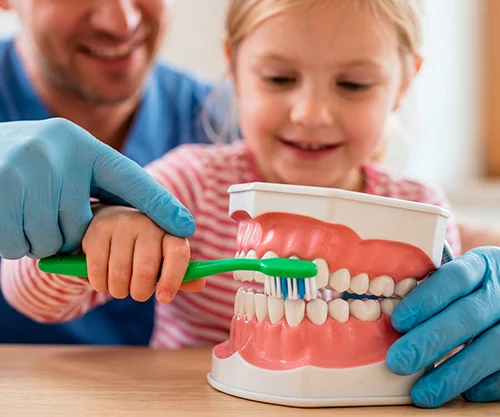
Early dental visits help children become comfortable with professional dental care while establishing healthy habits.
Children's dentistry may include routine examinations, cavity prevention, fluoride treatments, and dental sealants when appropriate. Dentists can also monitor tooth development and identify potential alignment concerns.
Parents play an important role in maintaining children's oral health. Encouraging regular brushing, supervising flossing, and limiting frequent sugary snacks can help reduce the risk of tooth decay.
Positive dental experiences during childhood can also help children develop confidence about future appointments.
3. Restorative Dentistry
Even with good oral hygiene, dental problems can sometimes occur. Restorative dentistry focuses on repairing damaged teeth and restoring their normal function.
Common restorative treatments include:
-
Dental fillings: Used to repair teeth affected by cavities.
-
Dental crowns: Cover weakened or significantly damaged teeth.
-
Root canal treatment: Addresses infection or inflammation inside a tooth.
-
Dental bridges: Replace missing teeth by supporting artificial teeth between existing teeth.
-
Dentures: Provide replacement options for multiple missing teeth.
The appropriate treatment depends on the extent of damage, the patient's oral health, and the dentist's assessment.
4. Gum Disease Prevention and Treatment
Healthy gums are essential for maintaining strong teeth. Gum disease can develop when plaque accumulates around the gumline, causing inflammation and, in more advanced cases, damage to the supporting structures of teeth.
Early signs may include bleeding gums, redness, swelling, or persistent bad breath.
Regular dental examinations help identify gum problems before they progress. Depending on the condition, treatment may involve professional cleaning, improved oral hygiene practices, or more advanced periodontal care.
How to Choose the Right Family Dental Practice
Selecting a dental provider involves more than considering appointment availability. Families should look for a practice that understands different age groups and offers appropriate treatment options.
Consider the Range of Dental Services
A comprehensive family dental practice should address preventive care, children's dentistry, restorative procedures, and common oral health concerns.
Having access to different services can make ongoing dental care more convenient and consistent.
Look for Clear Communication
A good dental experience starts with understanding. Dental professionals should explain examination findings, discuss available treatments, and answer questions without making patients feel rushed.
Clear communication helps individuals make informed decisions about their oral health.
Evaluate Comfort and Patient Experience
Some children and adults feel nervous about dental appointments. A welcoming environment and a patient-focused approach can make visits more comfortable.
It is helpful to choose a dental practice that takes time to understand individual concerns and explain procedures before treatment begins.
Families researching comprehensive dental care can explore the family dental services and treatment information provided by Sudbury Dental Clinic to understand the available approach to ongoing oral health care.
Simple Habits That Support Family Oral Health
Professional dental appointments are important, but everyday habits play an equally valuable role in preventing dental problems.
Families can support healthier smiles by following a few consistent practices:
-
Brush twice daily with fluoride toothpaste.
-
Floss once a day to clean between teeth.
-
Limit sugary snacks and frequent sweetened drinks.
-
Drink water regularly throughout the day.
-
Replace toothbrushes when bristles become worn.
-
Avoid using teeth to open packages or bite hard objects.
-
Schedule regular dental examinations and professional cleanings.
Parents can encourage children to follow these habits by making oral hygiene part of their daily routines. Leading by example often makes dental care easier for younger family members to understand and maintain.
Why Regular Dental Visits Matter at Every Age
Dental problems do not always cause immediate pain. Cavities, early gum disease, and other oral health conditions can develop without obvious symptoms.
Routine examinations allow dentists to monitor oral health and identify concerns that may otherwise go unnoticed. They also help track changes in tooth development, existing restorations, and gum condition.
For children, regular visits support healthy dental development. Adults benefit from ongoing preventive care, while seniors may need monitoring for tooth wear, dry mouth, and other age-related concerns.
Maintaining a consistent appointment schedule helps families take a proactive approach rather than waiting until discomfort develops.
Conclusion
Choosing the Best Family Dentistry in Sudbury involves finding a dental practice that can support every family member through preventive, restorative, and ongoing oral health care. From children's first examinations to adult dental treatments and senior oral health management, consistent professional attention makes a meaningful difference.
By combining regular dental visits with healthy daily habits, families can reduce the risk of common dental problems and maintain healthier smiles over time. A trusted family dental provider also makes it easier to understand individual needs and make confident decisions about long-term oral health.
What's Your Reaction?
 Like
0
 Dislike
0
 Love
0
 Funny
0
 Angry
0
 Sad
0
 Wow
0