























Audio Visual Alarm: Choosing the Right Warning Device for Modern Industrial Workplaces
A production line stops unexpectedly. An operator is checking a machine at the other end of the workshop, while the maintenance team is occupied with another task. In situations like this, a warning needs to stand out from the usual activity of the workplace.

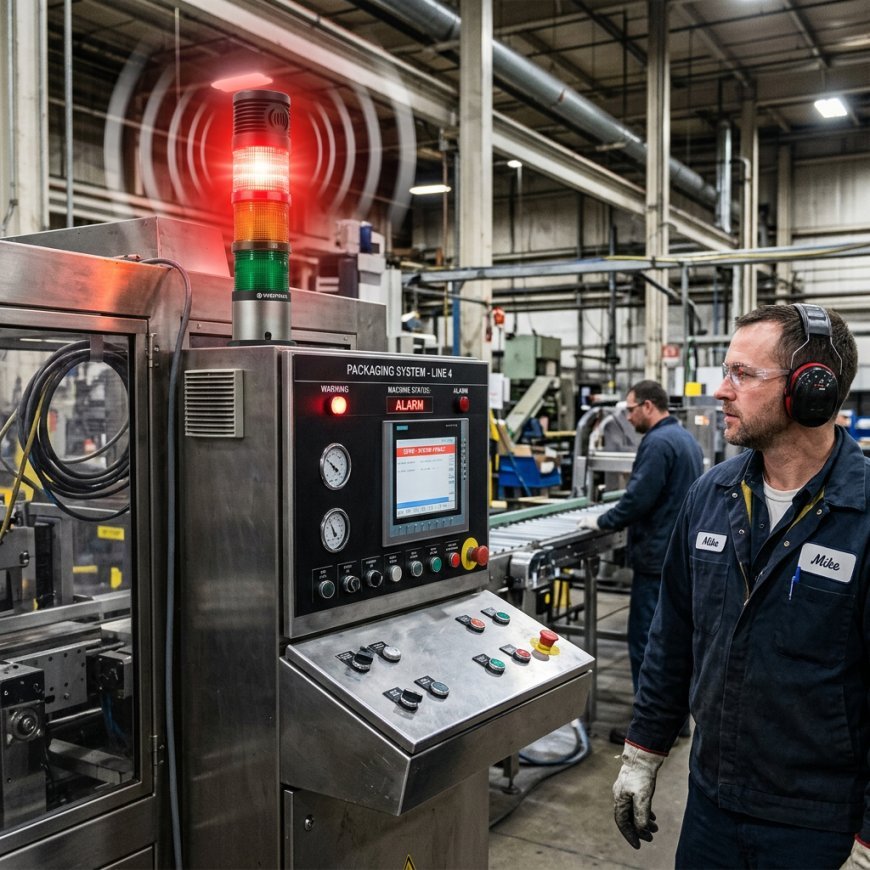
This is one reason industrial facilities use an Audio visual alarm to communicate important system events. By combining an audible signal with a flashing light, the device gives personnel two ways to notice a warning. When selected and installed correctly, it can support better communication between equipment and the people responsible for monitoring it.
However, choosing an alarm involves more than finding a product that produces sound and light. The application, electrical supply, surrounding environment, and required signal coverage all deserve attention.
How Combined Warning Devices Fit into Industrial Operations
Modern industrial workplaces rely on different types of equipment, from individual machines to interconnected automation systems. Operators need a practical way to recognize when a monitored condition requires attention.
A combined warning device can help communicate these events without requiring personnel to watch a display continuously.
For example, a controller may activate an alarm output when a process reaches a configured limit. The connected warning device then produces an audible signal and a flashing light. Personnel can recognize the notification and follow the site's established procedure to investigate the cause.
This approach can be useful when:
-
Several machines operate in the same work area.
-
Operators regularly move between workstations.
-
Equipment is monitored through electrical control panels.
-
Automated processes generate alerts that need human attention.
-
Visual displays alone may not be sufficient to communicate a warning.
The alarm does not identify or correct every fault by itself. Its purpose is to communicate a signal generated by the connected system.
Understanding the Difference Between Sound and Light Signals
Although both signals serve the same general purpose, each has its own strengths.
Audible Signals Attract Attention
A sound can alert personnel who are not facing the control panel. Its suitability depends on the background noise, distance, room layout, and the device's specified sound output.
In a loud workshop, the alarm must be selected carefully so that the signal can be heard under expected operating conditions.
Flashing Lights Provide a Visible Indication
A flashing light can help personnel recognize that an alarm is active, even when other sounds compete for attention. Visibility depends on factors such as mounting position, surrounding illumination, viewing angle, and physical obstructions.
Combining Both Creates Another Layer of Notification
Using sound and light together provides complementary ways to communicate an event. This can be particularly useful in industrial environments where workers may not always be looking at a panel or listening specifically for an alarm.
The design should still account for the people using the equipment, the conditions of the site, and any applicable alarm or safety requirements.
What to Consider When Buying an Audio Visual Alarm
The right device depends on the installation rather than a single feature. Reviewing the following points can help narrow the available options.
1. Match the Electrical Supply
Confirm whether the application requires an AC or DC model and check the exact rated voltage. Also review the product's wiring requirements and compatibility with the control equipment.
A device designed for one supply rating should not be assumed suitable for another simply because its housing looks similar.
2. Assess the Surrounding Noise
Think about the normal operating conditions of the area. Machinery, ventilation equipment, and other processes can affect how clearly an audible warning is heard.
Consider the manufacturer's sound specifications and the location of the people expected to respond.
3. Check Light Visibility
The flashing indicator should be easy to see from relevant operating positions. A light installed behind equipment or in a poorly chosen corner may not provide the intended level of awareness.
Walk through the expected viewing positions before finalizing the mounting location.
4. Review Environmental Conditions
Dust, moisture, and cleaning practices can affect the choice of enclosure. For applications requiring dust-tight protection and resistance to powerful water jets, an appropriately rated IP 66 sounder may be worth considering.
IP66 protection does not mean that a device is suitable for underwater use. Always verify the rating of the complete product and follow the manufacturer's installation guidance.
5. Consider Space and Maintenance Access
The unit should fit the available mounting area without obstructing other panel components. Leave appropriate access for inspection, wiring, and servicing in accordance with the manufacturer's instructions.
Industries and Applications That Can Benefit
Combined audible and visual warning devices can support several types of installations when matched to the intended purpose.
Manufacturing plants: Production equipment can use warning signals to draw attention to selected machine conditions or interruptions.
Electrical control panels: Connected monitoring equipment may activate an alarm when a configured electrical or operating condition occurs.
Automation facilities: Controllers can trigger notification devices when predefined process events or faults are detected.
Pump and utility rooms: Audible and flashing indicators can communicate alerts from compatible monitoring systems.
Security installations: Depending on the design, a warning device may provide notification of events detected by a connected security or monitoring system.
Each application should have a clearly defined alarm function. Where a process requires certified emergency notification or dedicated safety equipment, the selected device must meet those specific requirements.
Combined Alarm vs. Separate Sounder and Light
Both configurations can work well, but they are not interchangeable in every situation.
A combined unit places the sounder and flashing light in the same housing. This can simplify installation when both signals are needed at one location and may help conserve panel space.
Separate components offer greater freedom when the audible signal must cover one area while the visual indicator needs to be positioned somewhere else. They may also be more appropriate when independent placement is an important design requirement.
Before making a purchase, compare the available space, signal coverage, wiring, operating conditions, and maintenance preferences. The installation's needs should determine which arrangement is more practical.
Simple Steps for Reliable Operation
Once the device has been selected, correct installation and routine testing are essential.
-
Follow the manufacturer's wiring and mounting instructions.
-
Confirm the rated supply voltage before powering the unit.
-
Make sure the flashing light remains visible from the intended positions.
-
Check that the audible output suits the surrounding environment.
-
Inspect the housing and fittings for damage during scheduled maintenance.
-
Test the alarm as part of the facility's established inspection procedure.
-
Record faults and replace defective units with compatible products.
Electrical work should be performed by qualified personnel using suitable isolation procedures. Alarm testing should also be coordinated with operations so that personnel understand when a test is taking place.
Explore Warning Alarm Solutions from Mimic Products
For buyers planning a new control panel or upgrading an existing installation, product selection should begin with the actual operating requirements. Voltage, signal output, mounting arrangements, environmental protection, and system compatibility are all important considerations.
Mimic Products provides warning alarm products for industrial and electrical applications. Reviewing the available range can help buyers compare suitable options before finalizing their requirements.
Conclusion
Industrial alarms help bridge the gap between equipment monitoring and human response. By providing sound and flashing light together, a combined warning device can make selected events easier to notice in workplaces where attention is divided between different tasks.
The best results come from matching the product to the installation rather than choosing on appearance alone. Careful checks of electrical ratings, sound output, light visibility, enclosure protection, and maintenance requirements can help ensure that the device performs its intended role.
Frequently Asked Questions
1. What is the purpose of an audio and visual warning device?
It communicates a selected event through sound and a flashing light, helping alert personnel to a condition that may require attention.
2. Can an audio visual alarm be used with automated machinery?
Yes, a compatible unit can be connected to an automation system that provides the required alarm output and electrical supply.
3. What does IP66 mean for an industrial alarm?
It indicates dust-tight protection and resistance to powerful water jets under specified test conditions. It does not establish suitability for immersion or every harsh environment.
4. Should I choose a combined device or separate indicators?
A combined unit is useful when sound and light are required at the same location. Separate indicators may be preferable when each signal needs a different mounting position.
5. What details should I confirm before ordering?
Check the rated voltage, sound output, flashing light characteristics, enclosure protection, mounting arrangement, and compatibility with the connected system.
What's Your Reaction?
 Like
0
Like
0
 Dislike
0
Dislike
0
 Love
0
Love
0
 Funny
0
Funny
0
 Angry
0
Angry
0
 Sad
0
Sad
0
 Wow
0
Wow
0