

























How to Keep a Dog Skin Injury Clean During Recovery
Learn how to keep a dog skin injury clean during recovery with safe cleaning steps, bandage and stitch care, cone tips and signs that need a veterinarian.

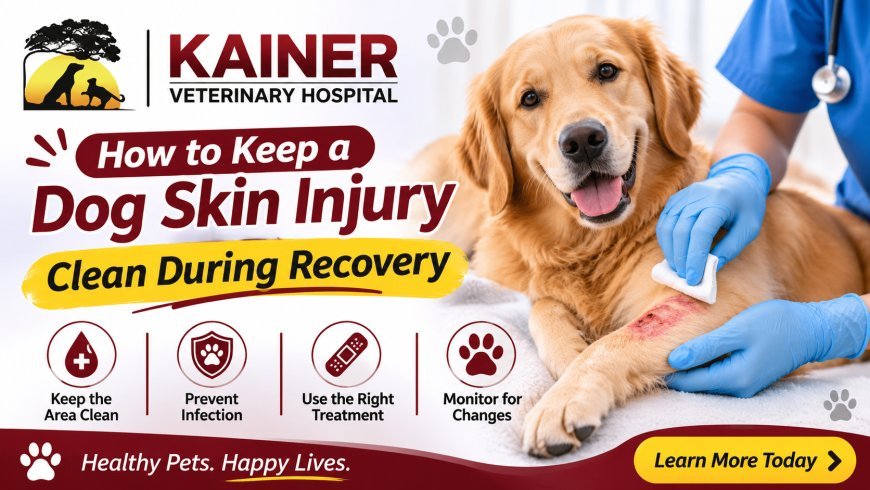
A dog skin injury such as a cut, scrape, bite or surgical incision heals best when the area stays clean and protected from licking and dirt, and the way an owner handles the first days at home often decides whether the wound closes smoothly or becomes infected. Skin is the body's first barrier against bacteria so any break in it gives germs a way in, and a wound that is cleaned the wrong way or left uncovered can quickly turn a minor problem into a painful one that takes much longer to heal.
This guide explains how to care for a dog's wound during recovery. It covers when a wound needs a veterinarian first, which cleaning products are safe and which are not, how to prevent licking, how to look after bandages and stitches and what normal healing looks like compared with infection. It also explains the role of sedation and heart health in wound repair and when to call the veterinary team, so that owners can feel prepared and confident during the weeks of recovery.
Why Clean Wound Care Matters During Recovery
Every wound goes through stages of healing. In the first few days the body responds with inflammation that brings blood and immune cells to the area, which is why mild redness and slight swelling are normal. After this stage the body builds new tissue that often looks pink and bumpy, and finally the area strengthens and forms a scar. Bacteria, moisture, dirt and constant licking can interrupt any of these stages and slow the process.
Dogs naturally lick wounds and many owners assume this helps cleaning. In reality a dog's mouth carries bacteria and the rough tongue can reopen edges, remove protective scabs and pull out stitches. Keeping the wound clean and stopping the licking are the two most important parts of home care, and both need to continue until the veterinarian confirms that the area has healed.
When a Wound Needs a Veterinarian First
Not every wound should be managed at home. Any dog skin injury that is deep, bleeding steadily, longer than about an inch or caused by a bite or puncture should be seen by a veterinarian as soon as possible. Puncture wounds are especially deceptive because a small hole in the skin can cover deeper damage to muscle or other tissue and bacteria can be trapped under the surface where they multiply.
Wounds near the eyes, mouth, joints or genitals also need professional care, as do wounds that are very dirty or contain debris. Injuries on the chest or belly may reach the body cavity and in rare cases a deep wound over the abdomen requires exploration and pet abdominal surgery to check for internal damage. A veterinarian can assess how far the injury extends and decide whether the wound needs cleaning, sutures, a drain or medication.
Basic First Aid Before the Visit
If a wound needs veterinary attention the first aid steps are simple and aim to keep the area as clean as possible until the dog is examined. A painful dog may bite even when it normally behaves well so owners should move calmly and use a soft muzzle or have a helper hold the dog if needed. Bleeding can be controlled by applying gentle pressure with a clean cloth or gauze for several minutes, and the pad should stay in place rather than being lifted repeatedly to check.
Light rinsing with sterile saline or clean lukewarm water helps remove dirt from the surface. Long hair around the wound can be trimmed carefully with blunt scissors or clippers once the wound is covered with a water soluble lubricant, which keeps cut hair from falling into the tissue. The area should then be covered with a clean dry pad and kept from licking until the dog reaches the clinic.
What to Use and What to Avoid When Cleaning
Sterile saline is the safest choice for rinsing most wounds because it flushes debris without harming healthy tissue. Veterinarians may also recommend a diluted chlorhexidine solution for certain wounds, and owners should only use the strength and product the veterinarian specifies. Mixing solutions without guidance can irritate the skin or make the wound worse.
Several common home products should be avoided. Hydrogen peroxide and rubbing alcohol damage healthy cells and delay healing, and strong iodine products can irritate tissue. Human creams and ointments are also a concern because many contain ingredients that are unsafe if licked and some contain steroids that can hide signs of infection. Essential oils and home remedies carry similar risks and some are toxic to dogs. When in doubt it is best to call the veterinary team before applying anything to the wound.
A Simple Daily Cleaning Routine for Open Wounds
When the veterinarian approves home cleaning of an open wound the routine should be calm and consistent. Wash your hands first and gather supplies such as saline, clean gauze and any prescribed ointment so that everything is within reach before you begin. A helper can steady the dog and offer treats to make the process easier, and short and gentle sessions work better than rushed ones.
Rinse the wound gently with saline so that debris and discharge flow away from the tissue, and then pat the surrounding skin dry with clean gauze without rubbing the wound itself. Apply only the product the veterinarian has prescribed and in the amount directed. Finish by covering the area as instructed or by placing a protective device to prevent licking. Take a photo each day in the same lighting so that changes are easy to track and can be shared with the veterinary team.
Preventing Licking and Chewing
Stopping a dog from licking a wound is one of the hardest parts of recovery but it is essential. The traditional plastic cone remains the most reliable option because it blocks access to most areas of the body. Inflatable collars are softer and more comfortable for some dogs although they may not reach wounds on the back legs or tail, and recovery suits cover the torso and work well for belly wounds and incisions. A protective sock or boot can be used for paw wounds when the veterinarian approves it.
Whichever device is chosen it must fit well and stay on whenever the dog is not closely supervised. A cone that is too loose can slip off and one that is too tight can rub the neck. Dogs usually adjust within a day or two and owners can help by moving furniture out of the way and raising food and water bowls so the dog can eat and drink comfortably. Other pets in the home should be kept from licking the wound as well.
Caring for a Bandage
Bandages protect wounds and absorb fluid but they must stay clean and dry to be helpful. A wet bandage holds bacteria against the skin so owners should cover the bandage with a plastic bag or a bandage cover during trips outdoors and remove the cover as soon as the dog is back inside. Bandages should never be left damp and owners should call the clinic if one becomes wet or dirty.
Check the bandage at least twice a day. The toes of a bandaged leg should not look swollen and the bandage should not slip, bunch up or sit too tight. Signs that need prompt attention include a bad odor, discharge soaking through the layers, chewing at the bandage, swelling of the toes and a cool or painful limb. Owners should not try to change a bandage unless the veterinarian has shown them how because incorrect wrapping can cut off circulation.
Caring for Stitches, Staples and Surgical Incisions
Incisions need a slightly different approach than open wounds. They are usually closed with stitches or staples and should be kept clean and dry until the veterinarian says otherwise. This applies to incisions from many procedures including pet abdominal surgery, and the same basic rules apply to every closed wound. Baths and swimming should be avoided during recovery and the area should not be scrubbed or treated with products unless the veterinarian recommends them.
A quick daily look is enough to track healing. A thin pink line with mild swelling in the first few days is normal while gaps, bleeding, heavy swelling and discharge are not. Stitches are often removed after about 10 to 14 days though the timing depends on the location and the surgeon's plan. Restricting activity is just as important because running and jumping can pull on stitches and cause the wound to open.
Normal Healing Compared With Signs of Infection
Knowing what to expect helps owners avoid both unnecessary worry and delayed care. A healing wound typically shows mild redness at the edges, a small amount of clear or pale fluid in the first days and a dry scab or a thin line of new tissue as it closes. The dog may be slightly tender around the area but should remain bright and willing to eat and drink.
Infection looks different. Redness that spreads outward, increasing swelling, warmth, yellow or green discharge, a foul smell and growing pain all suggest a problem. Fever, low energy and loss of appetite may also appear. Any of these signs call for an exam because infections can spread beneath the skin and become harder to treat the longer they continue.
Sedation, Anesthesia and Heart Health
Many wounds are cleaned deeply or repaired under sedation or anesthesia because the process can be painful and the dog must stay still. Before anesthesia the veterinarian reviews the dog's age, health history and findings from the exam, and may recommend blood work to check organ function. If the dog has a heart murmur or a history of heart disease the veterinarian may advise a dog echocardiogram which is an ultrasound exam of the heart, so that the anesthetic plan can be adjusted to protect the dog during the procedure.
These steps may seem like extra work for a simple wound but they help make the repair safer and allow the veterinarian to give the dog the best chance of a smooth recovery. Owners should share any history of fainting, coughing, tiring easily or medications the dog takes so that nothing is missed.
Medications and Pain Control
Pain control supports healing because a comfortable dog rests better and is less likely to chew at the wound. Veterinarians may prescribe pain medication and antibiotics depending on the injury, and these should be given exactly as directed for the full length of time even if the wound looks better. Stopping antibiotics early can allow bacteria to return and lead to a more stubborn infection.
Human pain relievers such as ibuprofen and acetaminophen are dangerous for dogs and should never be given. Some hospitals also use cold laser therapy to support comfort and tissue healing in suitable cases and owners can ask the veterinary team whether it may help their dog. Any new symptom such as vomiting, diarrhea or a loss of appetite after starting a medication should be reported promptly.
Activity, Environment and Hygiene at Home
Recovery is easier when the home is set up for it. Dogs should be kept on short leash walks for bathroom breaks and kept from running, jumping on furniture or playing roughly. Mud, tall grass, ponds and pools should be avoided because dirt and moisture can contaminate the wound. A clean quiet space with fresh bedding that is washed regularly gives the dog a comfortable place to rest.
Owners should wash their hands before and after touching the wound and keep other pets away from it. Fresh water and normal meals support healing, and the dog should be weighed or checked at recheck visits so the team can confirm that recovery is on track. Keeping all follow up appointments allows the veterinarian to remove stitches, change bandages and make changes to the plan when needed.
When to Call the Veterinarian
Owners should call the veterinary team if the wound opens, the stitches come out or the bandage becomes wet or foul smelling. The same applies if swelling or redness spreads, discharge increases or the dog seems more painful or less active than before. Heavy bleeding, a wound that exposes deeper tissue and a dog that collapses or refuses food and water need urgent care.
Calling early is always better than waiting. Many problems can be corrected quickly when they are found early and the veterinary team can tell owners whether the dog needs to be seen the same day or whether the issue can be watched at home.
Choosing a Veterinary Team for Wound Care
Many owners search for the best veterinary hospital in Conroe when a dog is hurt and it helps to know what to look for. A good team should examine the wound thoroughly, explain the cleaning and bandage plan in simple terms and provide written home care instructions. It should also have access to diagnostics, pain control and surgery so that complications can be handled at one hospital without delay.
Kainer Veterinary Hospital is AAHA accredited and has served pets since 2005. The hospital serves Conroe, The Woodlands, Magnolia, Montgomery, Spring and Oak Ridge, and its services include surgery, dermatology, diagnostics, pain management and cold laser therapy. Owners who want a veterinarian Conroe families can reach for wound care and follow up visits should ask how rechecks are scheduled and what signs call for an urgent visit.
Final Thoughts
Keeping a wound clean during recovery depends on a few steady habits. These include safe rinsing with the right products, protecting the area from licking, keeping bandages and stitches dry, watching for infection and keeping every recheck appointment. Small daily checks and photos make it easier to notice changes early and to share clear information with the veterinary team.
If your dog has a wound that looks deep, is not healing or shows any sign of infection, schedule an exam instead of waiting. Owners who search for the best veterinary hospital in Conroe often want a team that explains each step of recovery, and Kainer Veterinary Hospital welcomes questions about wound care. Contact the hospital to schedule an appointment and bring photos and a list of any products used so the team can plan the safest path to healing.
Sources
Merck Veterinary Manual. Wound management and healing in animals. Supports the stages of wound healing and the approach to cleaning and protecting wounds.
Gruen ME et al. 2022 AAHA Pain Management Guidelines for Dogs and Cats. Journal of the American Animal Hospital Association (2022). Supports the role of pain control in recovery.
FAQs
Q: Can I clean my dog's wound with hydrogen peroxide?
A: Hydrogen peroxide is not recommended because it can damage healthy tissue and slow healing. Sterile saline or clean lukewarm water is usually safer for rinsing. Ask your veterinarian which cleaning solution suits the wound before using any product at home.
Q: How often should I clean my dog's wound?
A: The schedule depends on the wound and the veterinarian's instructions. Many open wounds are rinsed once or twice daily while bandaged wounds and surgical incisions are often kept clean and dry until a recheck. Follow the written plan and call with questions.
Q: How do I know if my dog's wound is infected?
A: Spreading redness, swelling, heat, pus, a bad odor or increasing pain suggest infection. Fever, low energy and poor appetite are also warning signs. Contact your veterinarian promptly if any of these appear because infections can spread and worsen quickly.
Q: Is a cone always necessary?
A: A cone is the most reliable way to stop licking but inflatable collars and recovery suits are alternatives. The best choice depends on the wound location and your dog's behavior. Ask your veterinarian which device fits best.
Q: Who should I see for a dog wound?
A: A veterinarian Conroe dog owners can reach quickly is the best first step for bites, deep cuts and wounds that do not improve. Early exams allow cleaning and closure when needed and lower the risk of infection. Call before starting any home treatment.
What's Your Reaction?
 Like
0
 Dislike
0
 Love
0
 Funny
0
 Angry
0
 Sad
0
 Wow
0