























How Online Health Calculators Help You Understand Your Fitness Goals

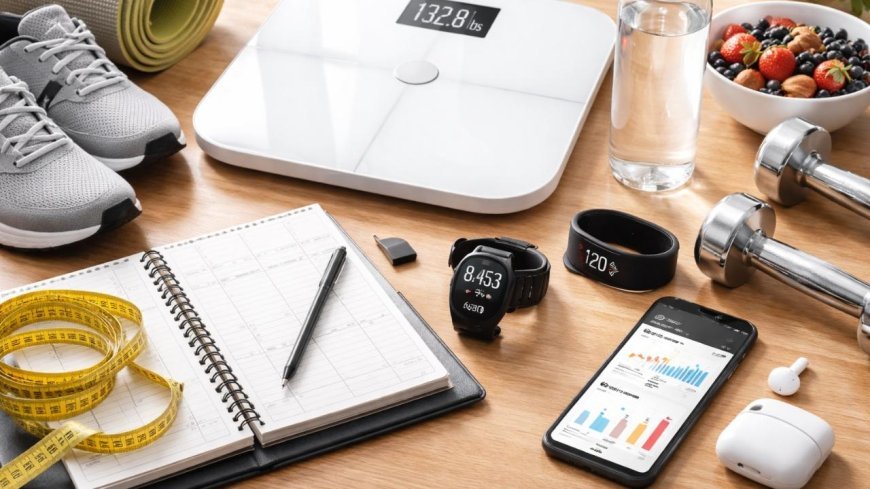
Achieving fitness goals is not just about exercising regularly or following a healthy diet. It also involves understanding your body, measuring your progress, and making informed decisions about your health. Whether you want to lose weight, build muscle, improve endurance, or maintain a healthy lifestyle, having reliable information can make your journey more manageable.
This is where online health calculators become useful. These digital tools help turn basic personal information, such as age, weight, height, activity level, and daily habits, into meaningful estimates. Instead of relying entirely on guesswork, you can use these results to understand your current fitness level and plan realistic improvements.
With the right health tracking calculators and fitness calculation tools, you can monitor important measurements, recognize patterns, and make adjustments that support your long-term wellness goals.
1. Understand Your Current Health and Fitness Level
Before setting fitness goals, it is important to understand your starting point. Many people begin exercising or changing their eating habits without knowing which areas need attention. Online health calculators can provide a helpful overview of certain health measurements.
For example, a Body Mass Index (BMI) calculator estimates BMI using your height and weight. The result can help you understand how your weight compares with commonly used screening categories. However, BMI does not directly measure body fat or distinguish between muscle and fat, so it should not be treated as a complete assessment of health.
Other calculators can estimate body fat percentage, ideal weight ranges, and waist-to-height ratios. Together, these measurements can provide additional context about your body composition and fitness.
Understanding your starting point allows you to set goals based on your individual circumstances rather than following unrealistic expectations or comparing yourself with others.
2. Track Daily Calorie Needs and Energy Balance
Nutrition plays an important role in achieving fitness goals. Whether you want to lose weight, gain muscle, or maintain your current weight, understanding your energy requirements can help you make better food choices.
Calorie calculators estimate how much energy your body needs each day. Many use factors such as age, height, weight, sex, and physical activity level to estimate daily calorie requirements.
For example, someone who exercises regularly may require more calories than someone with a mostly sedentary routine. A calorie calculator can help identify these differences and provide a starting point for planning daily food intake.
Some fitness calculation tools also estimate Basal Metabolic Rate (BMR), which represents the energy your body uses at rest to maintain essential functions. Total Daily Energy Expenditure (TDEE) estimates your overall daily energy needs, including physical activity.
These estimates are useful for building a general nutrition plan. However, actual calorie requirements can vary depending on metabolism, health conditions, training intensity, and individual circumstances.
3. Set Realistic and Measurable Fitness Goals
One of the biggest challenges in fitness is knowing what to work toward. Goals such as getting healthier or becoming stronger are valuable, but they can be difficult to measure without specific targets.
Online health calculators help turn broad ambitions into more practical objectives.
For instance, if your goal is to improve cardiovascular fitness, you might use a heart rate calculator to understand estimated training heart rate zones. If you want to improve your weight management routine, BMI and calorie calculators can offer useful starting information.
You can also use calculators to estimate:
-
Daily water intake based on general guidelines.
-
Target heart rate during exercise.
-
Protein requirements based on body weight and activity.
-
Body composition measurements.
-
Estimated daily energy expenditure.
These calculations make it easier to establish measurable targets and evaluate whether your routine is moving in the intended direction.
Remember that progress does not always happen at the same speed. Your goals should be flexible enough to accommodate changes in fitness, lifestyle, and personal circumstances.
4. Monitor Your Progress Beyond Body Weight
Many people judge their fitness progress only by the number displayed on a weighing scale. However, body weight is just one part of the overall picture. Your fitness can improve even when your weight remains relatively stable.
Health tracking calculators allow you to monitor different measurements over time. For example, a body fat calculator can provide an estimate of body composition, while a waist measurement calculator can help you observe changes in body measurements.
Other useful measurements include:
-
Resting heart rate to observe cardiovascular fitness trends.
-
Body fat percentage to estimate changes in body composition.
-
BMI to monitor weight relative to height.
-
Daily calorie requirements to review nutritional needs.
-
Exercise-related calculations to assess training intensity.
The key is to record measurements consistently and compare results over several weeks rather than reacting to daily fluctuations.
For example, someone following a strength-training program might notice improvements in strength and waist measurements without significant changes in body weight. Looking at multiple indicators provides a more balanced understanding of progress.
5. Save Time and Make Better Fitness Decisions
Another advantage of online health calculators is convenience. Calculating BMI, calorie requirements, or estimated heart rate manually can involve formulas that many people find confusing. Online tools simplify the process by allowing users to enter a few details and receive results within seconds.
This makes fitness information more accessible to beginners, busy professionals, students, and people who prefer managing their health routines independently.
Instead of spending time performing complicated calculations, you can focus on interpreting results and deciding what changes might improve your routine.
For example, if a calorie calculator estimates your daily energy requirements, you can use that information as a starting point for meal planning. Similarly, a target heart rate calculator can help you understand exercise intensity during walking, cycling, or running.
However, calculations are estimates rather than personalized medical advice. Your results may differ because of individual health conditions, medications, age, and other factors.
6. Build Consistent Habits and Stay Motivated
Fitness is a long-term process, and consistency is often more important than short-term results. Online health calculators can support motivation by making progress easier to understand and track.
You can use a simple weekly tracking routine to record your weight, body measurements, exercise frequency, and other relevant indicators. Reviewing these results regularly helps you identify patterns and recognize improvements that might otherwise go unnoticed.
For example, if your goal is to become more active, tracking your weekly exercise duration can help you see whether you are gradually building a consistent routine. If your goal is weight management, monitoring estimated calorie needs alongside eating habits can provide useful context.
It is also important to celebrate achievements beyond physical measurements. Better stamina, improved sleep, increased strength, and greater energy are meaningful signs of progress.
Avoid becoming overly focused on numbers. Calculators should encourage healthy decisions, not create pressure or unrealistic expectations.
Conclusion
Understanding your fitness goals becomes easier when you have access to useful information and practical measurement tools. Online health calculators simplify important calculations, from BMI and calorie requirements to body composition and target heart rate estimates.
By using health tracking calculators regularly, you can establish realistic goals, monitor changes, and make more informed decisions about exercise and nutrition. The most effective approach is to combine these digital tools with balanced eating habits, regular physical activity, adequate rest, and professional guidance when necessary.
Explore the health and fitness calculation tools available at EasyCalculatorNex to make everyday calculations simpler and take a more informed approach to your wellness journey.
What's Your Reaction?
 Like
0
 Dislike
0
 Love
0
 Funny
0
 Angry
0
 Sad
0
 Wow
0