






























Global Tire Industry Grows Amid Evolving Automotive and Mobility Needs
Tires are a fundamental component of the global transportation ecosystem, supporting passenger vehicles, commercial fleets, public transportation, and industrial mobility.

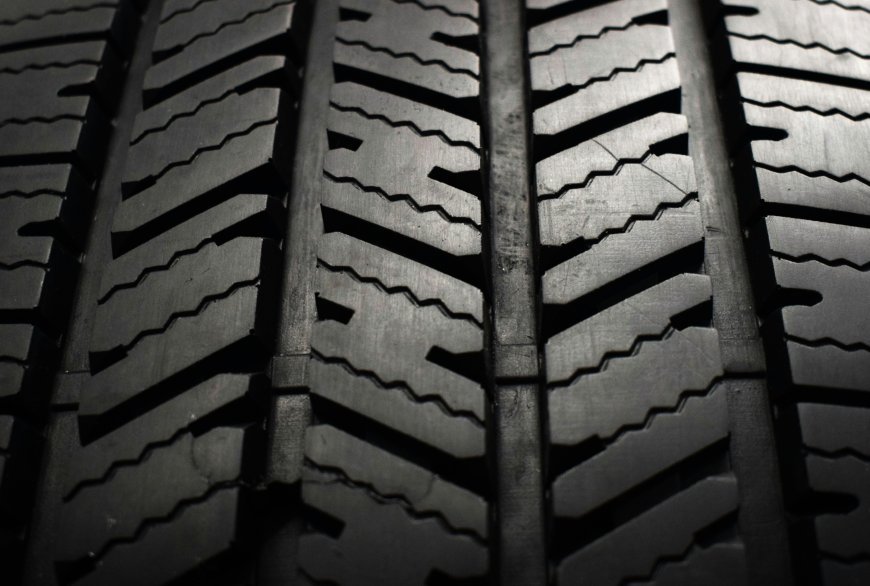
Tires are a fundamental component of the global transportation ecosystem, supporting passenger vehicles, commercial fleets, public transportation, and industrial mobility. Demand is shaped by vehicle production, road transportation activity, replacement cycles, driving conditions, and changing consumer expectations. Manufacturers continue to refine tire designs to address requirements for road safety, durability, handling, comfort, and energy efficiency. At the same time, developments in electric vehicles, material engineering, manufacturing technologies, and distribution channels are influencing product innovation and creating new considerations for tire producers and retailers worldwide.
A comprehensive market assessment by Markntel Advisor indicates that the Global Tire Market research report values the sector at USD 299 billion in 2026 and projects it to reach USD 387 billion by 2032, registering a CAGR of 4.39% during 2026–2032. The report identifies passenger car tires as the leading segment by vehicle type and Asia-Pacific as the largest regional market. This outlook highlights the continued importance of passenger mobility, recurring replacement demand, and automotive manufacturing activity in shaping the industry's development.
Passenger Vehicles and Replacement Demand
Passenger cars are a major source of tire demand because tires gradually wear down through regular use and require replacement to maintain appropriate performance. Demand is influenced by vehicle ownership, annual mileage, road conditions, maintenance practices, and consumer purchasing preferences. New vehicle production also contributes to original-equipment demand, while the existing vehicle fleet supports a recurring replacement market.
Drivers typically consider several factors when selecting tires, including traction, tread life, ride comfort, road noise, and rolling resistance. The right product depends on vehicle specifications, climate, and driving conditions. The International Organization of Motor Vehicle Manufacturers (OICA) provides information and industry statistics on global automotive production, offering context for understanding the wider vehicle industry that supports tire demand.
Product Innovation and Performance Expectations
Tire manufacturers continue to develop tread patterns, rubber compounds, and structural designs intended to balance grip, durability, comfort, and efficiency. Product requirements can differ substantially across passenger cars, commercial vehicles, and specialized applications. Manufacturing consistency and quality assurance are also important to ensuring that products meet their intended specifications.
Tire performance and road-safety requirements remain central to purchasing decisions. Proper tire selection, inflation, maintenance, and timely replacement can contribute to vehicle handling and road safety. Manufacturers, retailers, and automotive service providers therefore have an important role in communicating product suitability and recommended maintenance practices.
Electric vehicle adoption is introducing additional design considerations. Vehicle weight, torque delivery, and noise expectations can influence tire specifications, while rolling resistance can affect energy efficiency. However, tire selection remains dependent on the individual vehicle and the manufacturer's recommendations rather than on a single design feature.
Asia-Pacific’s Position in the Global Industry
The supplied report identifies Asia-Pacific as the largest regional market. The region's importance to the tire industry is linked broadly to its automotive manufacturing base, vehicle demand, and diverse transportation needs. Production activity, infrastructure development, urban mobility, and vehicle replacement patterns can all influence demand across individual countries.
Regional market conditions are not uniform. Consumer preferences, regulations, climate, road infrastructure, and vehicle ownership levels vary between countries, affecting product mix and distribution strategies. Manufacturers and retailers must account for these differences when planning production, developing product portfolios, and serving local customers.
The United Nations Environment Programme (UNEP) provides information on resource efficiency, pollution, and environmental sustainability. These issues are relevant to the wider automotive supply chain as manufacturers assess material use, production impacts, and end-of-life management for products such as tires.
Distribution, Sustainability, and Industry Challenges
Tires reach customers through manufacturers, wholesalers, specialist retailers, dealerships, service centres, and online channels. Availability, pricing, installation services, and product guidance can influence purchasing decisions. Reliable distribution and inventory management are especially important in replacement markets, where customers often need products compatible with specific vehicles.
Replacement demand and sustainable tire management are increasingly relevant to the industry's long-term development. Tire wear, material recovery, recycling, and end-of-life disposal present environmental and operational considerations. Manufacturers and industry stakeholders are exploring ways to improve material efficiency, extend product life where practical, and support more responsible handling of used tires. Progress depends on technology, infrastructure, regulation, and the economics of recovery processes.
The industry also faces challenges from raw-material price changes, production costs, logistics disruptions, and competitive pressures. These factors can affect pricing, investment decisions, and the availability of products across different regions.
Outlook Through 2032
The supplied report projects the global tire sector to grow from USD 299 billion in 2026 to USD 387 billion by 2032, representing a CAGR of 4.39%. Passenger car tires are identified as the leading vehicle-type segment, while Asia-Pacific holds the largest regional position.
Future industry development will depend on vehicle production, replacement cycles, product innovation, regional demand, and changing mobility technologies. Manufacturers and retailers that respond to evolving requirements for performance, safety, efficiency, and sustainability will remain important to the global transportation ecosystem.
What's Your Reaction?
 Like
0
Like
0
 Dislike
0
Dislike
0
 Love
0
Love
0
 Funny
0
Funny
0
 Angry
0
Angry
0
 Sad
0
Sad
0
 Wow
0
Wow
0